
London Tube Strike June 2026: How Visitors Discovered Hidden City Gems
Two full-day London Underground strikes on June 2 and 4, 2026 forced tourists to navigate via buses, Overground, and Thames routes, unexpectedly transforming disruption into authentic discovery.

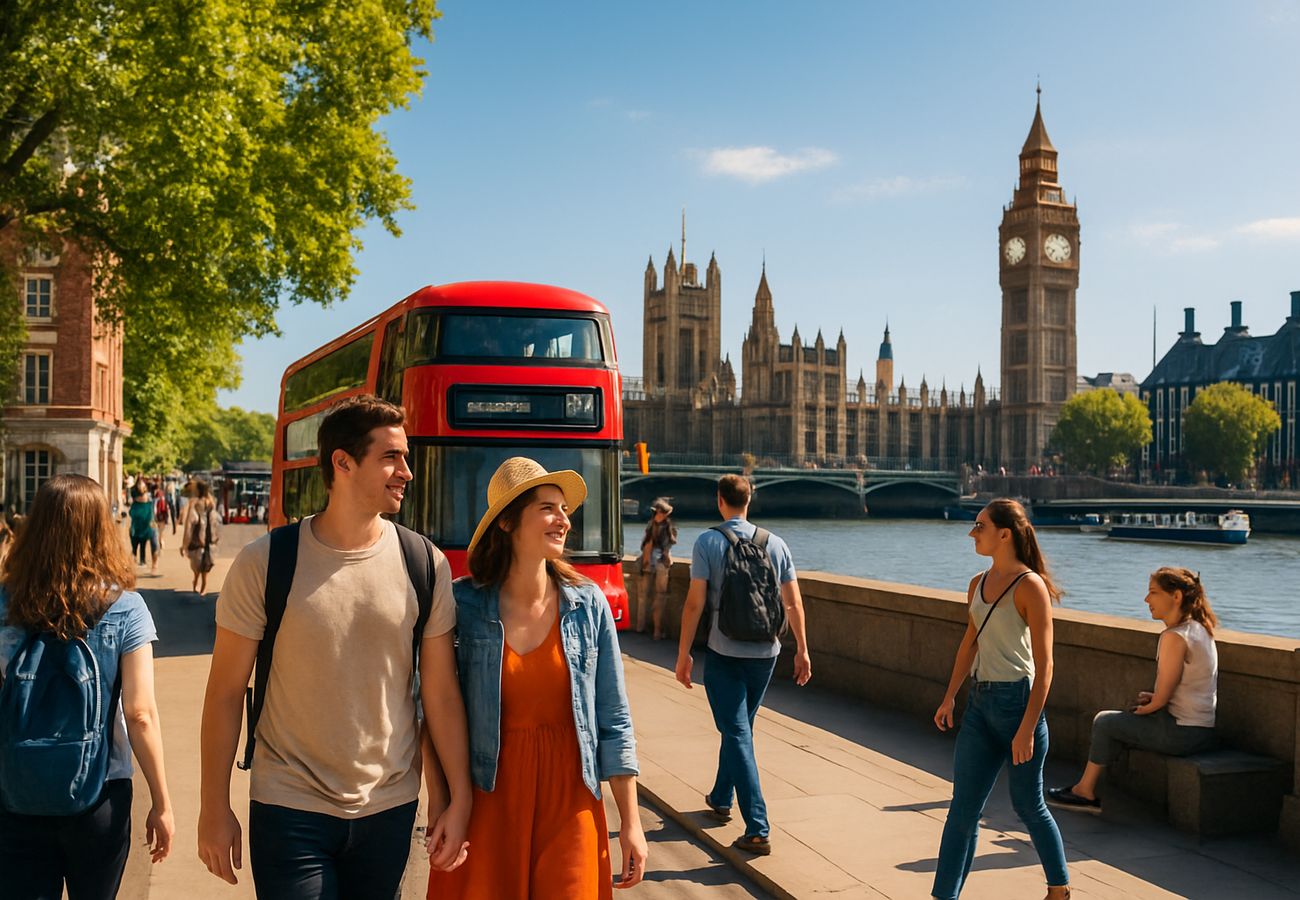
Image generated by AI
The Strike That Rewrote London's Tourist Map
London's transport network seized up this week in ways few visitors anticipated. On June 2 and 4, 2026, the RMT union initiated two full-day Underground strikes that stretched from 00:01 to 23:59, paralyzing the city's primary transit system. Yet what initially looked like a tourism disaster became something altogether unexpected: a forced rediscovery of London beyond the tunnels.
The strike action stemmed from failed negotiations between Transport for London (TfL) and the union over shift structures. TfL had proposed a voluntary four-day working week for drivers—a move the RMT rejected, citing unresolved concerns about manageable shift patterns and driver fatigue. When talks broke down, drivers walked out, triggering the kind of citywide shake-up that forces millions to rethink their movements.
Reddit: "We were supposed to hit the British Museum on strike day. Ended up walking Covent Garden instead. Best unplanned afternoon in London." — r/travel
When the Piccadilly Line Vanished
For arriving tourists, the timing stung hardest at Heathrow Airport. The Piccadilly line, which normally funnels tens of thousands of travelers into central London, remained largely offline during strike hours. This meant pivoting to the Elizabeth line, Heathrow Express trains, or taxis—all pricier options, but all viable.
The Circle, Metropolitan, and Central lines also faced closures or severe limitations. For first-time visitors clutching their Tube maps, confusion reigned for exactly forty minutes. Then adaptation kicked in.
Buses Became the Unexpected Hero
Here's what surprised tourism operators: visitors didn't just tolerate the bus network—they embraced it. London's iconic red double-deckers, normally used as transport, transformed into sightseeing vehicles. Tourists learned what locals already knew: surface-level journeys through Kensington, Westminster, and the South Bank offer panoramic views no Underground commute can match.
The London Overground and Docklands Light Railway (DLR) remained fully operational throughout both strike days, operating at significantly higher capacity than normal. Families reported that bus windows provided something the Tube never could: unobstructed vistas of historic architecture, tree-lined streets, and the authentic texture of London life.
Walking Became the Unexpected Winner
Pedestrian traffic surged in central zones. Covent Garden, Soho, and the South Bank saw foot traffic spike as travelers opted to explore between museums and galleries on foot. The absence of Tube noise and platform queues made street-level exploration feel more intimate, more real.
Local businesses reported unusual midday spikes. Cafés near major attractions saw footfall surge. Pop-up markets thrived. Tour guides noted that visitors were lingering longer in neighborhoods they might have simply rushed through during normal service.
The Thames Route Nobody Expected
River services became genuinely popular. Visitors booked advance tickets for Thames cruises and discovered that water-level perspectives of London—from historic bridges to riverside architecture—offered an entirely different city than the one 100 feet underground. Cycling hire schemes saw increased demand too, as travelers discovered quieter routes through parks like Hyde Park that bypass transit disruptions entirely.
How Heathrow Arrivals Adapted
The Heathrow Express train service remained the fastest paid alternative, though the Elizabeth line offered a less expensive route into central London. Taxi fleets reported moderate demand spikes. Savvy travelers booked private transfers in advance, while others simply accepted higher costs as the price of convenience.
Interestingly, no major backlog of stranded tourists materialized. TfL's advance warnings gave travelers time to plan alternatives. Hotels and tour operators distributed updated routing information. The disruption remained manageable because it was coordinated and transparent.
What The Data Actually Shows
Strike periods covered two full calendar days: June 2 and June 4, 2026. Service limitations affected only peak hours initially, then expanded to full-day closures. The Piccadilly line (serving Heathrow and central attractions) faced the most severe restrictions. Parts of the Metropolitan, Central, and Circle lines saw partial or complete service suspensions.
Yet visitor complaints were remarkably muted. Why? Because the alternative transport network—buses, Overground, DLR, river services, and pedestrian pathways—proved sufficient for actual tourism needs.
The Authenticity Factor Nobody Predicted
Tourism researchers noted something unexpected: visitors who were forced off the Underground reported feeling they'd experienced a "more authentic London." One guide explained it simply: rapid Tube transfers don't allow time to absorb neighborhood culture. Walking or riding surface-level transport forces you to look up, notice independent eateries, spot street art, observe local life.
Families with children found the pace more educational. Older travelers appreciated the clarity of bus routes versus the cognitive load of reading dense Tube maps. International visitors gained exposure to London neighborhoods they would never have visited on conventional itineraries.
Planning Ahead: The Lesson for Future Disruptions
Experts advising future visitors emphasize advance awareness. Checking TfL live updates remains essential. Familiarity with alternative routes—bus networks, Overground corridors, cycling paths, walking distances—transforms potential stress into flexible options.
Flexible scheduling proved invaluable. Visitors with longer stays simply prioritized strike-day attractions reachable by surface transport, then returned to Tube-served landmarks once normal service resumed. Smart travelers booked river tours or open-top bus experiences on strike days, turning disruption into planned sightseeing.
When Service Resumes, The Memory Remains
By June 5, normal Underground rhythms returned. The strikes are history. But visitors who experienced the disruption walked away with richer, more textured memories of London than many conventional tourists accumulate. Hidden cafés, Thames-side walks, double-decker architecture tours, neighborhood markets—these became the story they tell at home.
The RMT achieved its negotiation objectives (shift concerns were addressed in subsequent discussions). Visitors achieved something equally valuable: an unexpected, unplanned, authentically London experience that no guidebook promises and no travel insurance covers.
When transport systems fail, sometimes travelers discover what actually matters.
Related Travel Guides
Dubai International Airport Shatters Records with 95 Million Passengers, Outshining Global Giants
Delta Boeing 787-10 Order: 30 Dreamliners Transform Long-Haul Fleet
Kangaroo Island Eco-Tourism Boom: International Flights Surge 2026
Disclaimer
This article is for informational and educational purposes only. It does not constitute legal, financial, or professional advice. While we strive to provide accurate and up-to-date information, travel policies, regulations, and conditions change rapidly. Always verify information with official sources before making travel decisions. Nomad Lawyer makes no representations about the accuracy, reliability, completeness, or suitability of the information provided. Readers should consult qualified professionals for advice specific to their circumstances. The views expressed in this article are those of the author and do not necessarily reflect the views of Nomad Lawyer.
Kunal K Choudhary
Co-Founder & Contributor
A passionate traveller and tech enthusiast. Kunal contributes to the vision and growth of Nomad Lawyer, bringing fresh perspectives and driving the community forward.
Learn more about our team →