
Delta Boeing 787-10 Order: 30 Dreamliners Transform Long-Haul Fleet
Delta Air Lines' landmark 30-aircraft Boeing 787-10 order in 2026 marks its first direct Dreamliner purchase, reshaping international long-haul capacity and fleet modernization strategy.

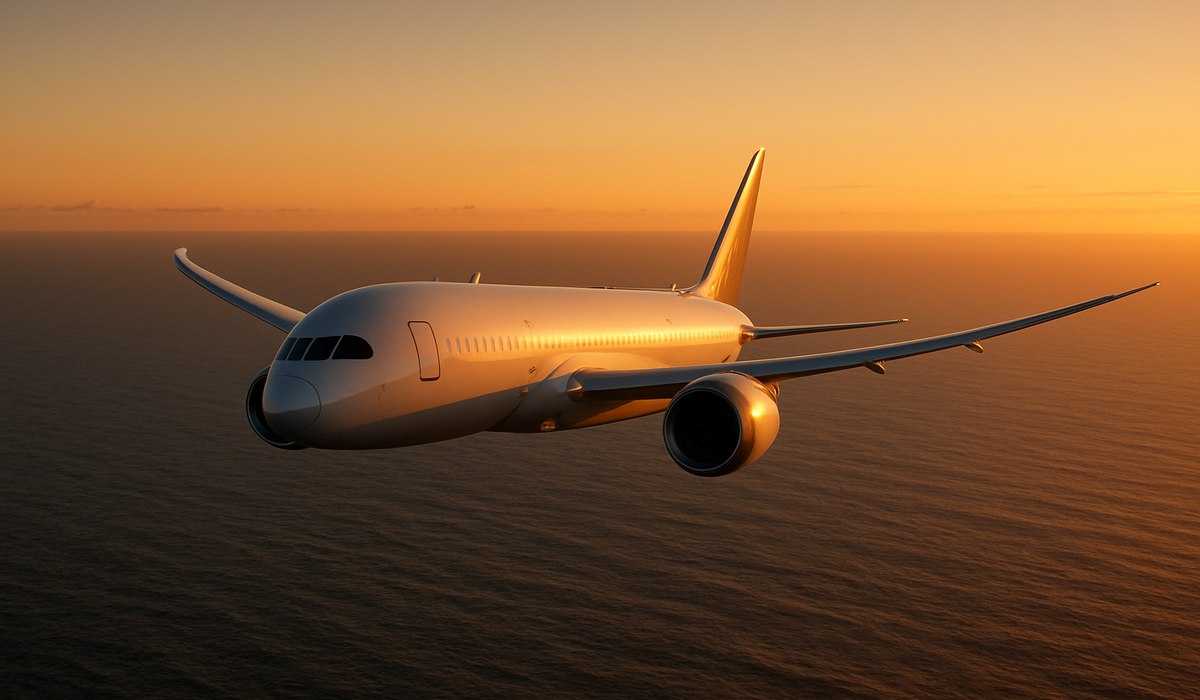
Image generated by AI
Delta's Historic Boeing 787-10 Order Reshapes International Aviation
Delta Air Lines announced a landmark aircraft acquisition in January 2026, committing to 30 firm Boeing 787-10 Dreamliners with options for an additional 30 units. This represents the airline's first direct purchase of the 787 platform and signals a transformative shift in its widebody fleet strategy. The order underscores Delta's ambition to modernize aging long-haul aircraft while expanding international capacity on premium, fuel-efficient equipment designed for ultra-long-distance travel.
The 787-10 decision reflects broader industry trends toward larger, more economical widebody jets. For Delta, the acquisition addresses capacity constraints on high-demand international routes while simultaneously reducing per-seat fuel consumption by up to 25 percent compared to legacy aircraft. This strategic move positions the airline competitively against rivals investing heavily in next-generation long-haul fleets.
What Makes The Boeing 787-10 Different From Other Dreamliners
The 787-10 is the largest variant in Boeing's Dreamliner family, distinguishing itself through superior passenger capacity and range capabilities. Unlike the smaller 787-8 and 787-9 models, the 787-10 stretches to 224 feet in length, accommodating approximately 330 passengers in a three-class configuration or up to 370 in high-density layouts.
The aircraft's advanced materials composite fuselage reduces weight by 20 percent compared to conventional aluminum designs. This lightweight construction, paired with two General Electric GEnx-1B engines, delivers exceptional fuel efficiency critical for long-haul profitability. The 787-10 operates with a maximum range of 7,635 nautical miles, enabling non-stop service between most North American hubs and Asian, European, and Middle Eastern destinations.
Delta's selection reflects the 787-10's proven reliability track record. Boeing has delivered hundreds of Dreamliners globally since 2011, with strong operational performance metrics across dozens of international carriers. The pressurized cabin maintains 80 percent cabin altitude pressure—higher than conventional aircraft—reducing passenger fatigue on extended flights and improving the premium travel experience Delta prioritizes in its international business strategy.
Timeline: When Delta's New 787-10 Aircraft Begin Arriving
Delta's 30-aircraft Boeing 787-10 order will enter service over an extended delivery window spanning several years. While specific initial delivery dates remain subject to Boeing's production scheduling and supply chain considerations, industry analysts project initial examples entering Delta's fleet by 2028-2029. The phased delivery approach allows the airline to systematically integrate new aircraft into operations, train crew members, and establish optimal route placements.
The multi-year delivery schedule provides Delta operational flexibility. Rather than managing sudden fleet transformation, the airline can gradually retire aging widebody aircraft—primarily Boeing 767s and Airbus A330s—as newer 787-10s become available. This measured approach minimizes operational disruption while maximizing learning opportunities from early aircraft performance data.
Delta's optional additional 30 787-10s create future capacity expansion possibilities. Should international demand surge or competitive pressures intensify, the airline maintains contractual rights to procure supplementary aircraft through 2030. This optionality reflects Boeing's confidence in 787 demand and Delta's strategic hedging against uncertain long-term market conditions. FlightAware tracks real-time aircraft operations, enabling travelers to monitor when new Delta 787-10s enter service routes.
Impact On Delta's International Routes And Network Strategy
The Delta Boeing 787-10 acquisition fundamentally reshapes the airline's international network architecture. Current long-haul routes operated by older, less efficient widebodies will transition to 787-10 equipment, yielding competitive yield advantages. Premium cabin revenue enhancement—Delta's brand positioning emphasizes business-class comfort—becomes feasible with advanced cabin technologies integrated into the Dreamliner platform.
Route expansion represents another strategic implication. The 787-10's 7,635-nautical-mile range unlocks new long-haul possibilities from Delta's major hubs. Secondary-tier European and Asian cities previously uneconomical with legacy widebodies become viable long-haul destinations. The airline can launch point-to-point international service bypassing traditional hub-and-spoke consolidation, capturing premium connecting passenger revenue.
Competitive dynamics intensify as Delta implements 787-10 deployment. American Airlines and United Airlines operate comparable widebody fleets, but Delta's modern aircraft will offer superior fuel economics and cabin features. Passenger preference migration toward newer aircraft may accelerate revenue growth on transatlantic and transpacific markets where Delta competes fiercely against international carriers. The aircraft transformation parallels Delta's broader sustainability commitments, as next-generation engines reduce carbon emissions per available seat mile by approximately 20-25 percent.
Key Data: Delta's 787-10 Order Specifications And Impact Metrics
| Metric | Value | Impact |
|---|---|---|
| Firm Aircraft Ordered | 30 Boeing 787-10s | Foundation for immediate fleet modernization |
| Optional Aircraft Rights | Up to 30 additional units | Future expansion capacity through 2030 |
| Passenger Capacity (3-class) | ~330 seats | Enhanced international revenue potential |
| Maximum Range | 7,635 nautical miles | Enables non-stop service to Asia/Middle East |
| Fuel Efficiency Improvement | 20-25% per seat vs. legacy aircraft | Reduced operating costs on long-haul routes |
| Projected Service Entry | 2028-2029 | Multi-year fleet transition period |
| Composite Materials Content | 50% of airframe | Weight reduction enabling superior economics |
| Cabin Pressure Altitude | 6,000 feet equivalent vs. 8,000 typical | Enhanced passenger comfort on ultra-long flights |
What This Means For Travelers: Action Checklist
Delta's Boeing 787-10 integration offers tangible benefits for frequent international flyers. Understanding these changes enables strategic travel planning and enhanced booking decisions.
-
Monitor Route Assignments: Track which international routes receive 787-10 aircraft through 2028 onwards. Delta typically publishes fleet assignments 6-12 months in advance. Premium cabin passengers benefit most from new aircraft comfort features and direct routing options.
-
Leverage Booking Flexibility: Early booking on future 787-10 routes may yield premium seat availability. New aircraft deployment often follows peak travel seasons; advance planning captures optimal cabin configurations.
-
Optimize Elite Status Benefits: Delta SkyMiles members earn accelerated benefits through new long-haul routes enabled by 787-10 capacity. Targeting these routes maximizes elite-qualifying miles and tier qualification progress.
-
Evaluate Fuel Surcharge Changes: Modern aircraft efficiency may influence Delta's pricing strategies on long-haul routes. New aircraft deployment sometimes correlates with competitive pricing adjustments as fuel costs decrease per available seat mile.
-
Verify Current Fleet Assignments: Before booking international flights, confirm aircraft type via FlightAware. Current schedules show legacy widebody assignments; 787-10s gradually replace these through 2030.
-
Register for Schedule Alerts: Delta's official website and third-party booking platforms enable push notifications for route schedule changes. Early awareness of 787-10 deployment to preferred routes supports optimal booking timing.
FAQ: Delta's 787-10 Order Explained
Q: When will Delta's first Boeing 787-10 enter commercial service? A: Industry analysts project initial 787-10 deliveries to Delta between 2028-2029, subject to Boeing's production schedules and certification requirements. The airline has not publicly announced specific entry-into-service dates, though phased delivery across multiple
Disclaimer
This article is for informational and educational purposes only. It does not constitute legal, financial, or professional advice. While we strive to provide accurate and up-to-date information, travel policies, regulations, and conditions change rapidly. Always verify information with official sources before making travel decisions. Nomad Lawyer makes no representations about the accuracy, reliability, completeness, or suitability of the information provided. Readers should consult qualified professionals for advice specific to their circumstances. The views expressed in this article are those of the author and do not necessarily reflect the views of Nomad Lawyer.
Kunal K Choudhary
Co-Founder & Contributor
A passionate traveller and tech enthusiast. Kunal contributes to the vision and growth of Nomad Lawyer, bringing fresh perspectives and driving the community forward.
Learn more about our team →