
Miami Relocation Guide 2026: Cost of Living, Job Market Trends and Local Logistics
An expert analysis of the 2026 Miami residential market, detailing a 20% higher cost of living than the national average and critical infrastructure challenges for new residents.

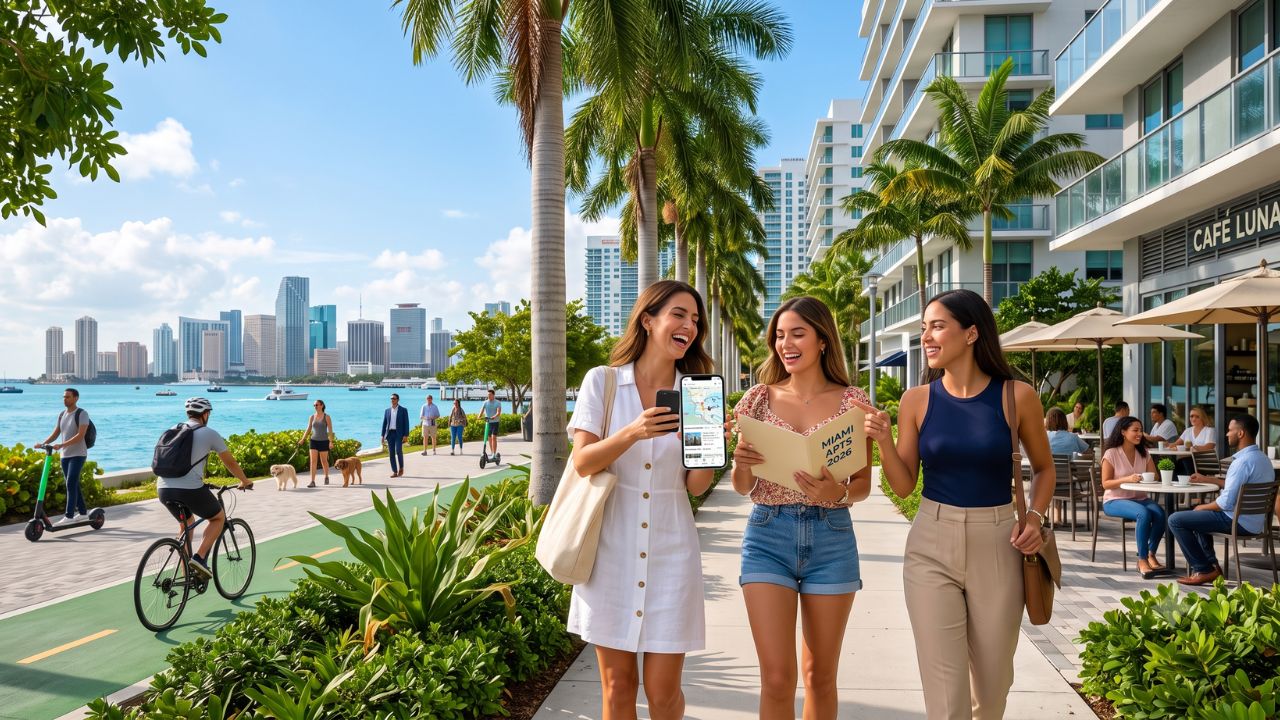
Image generated by AI
Relocating to Miami in 2026 requires a strategic approach to housing costs and transit logistics to avoid the pitfalls of the "Magic City's" rapid growth.
The Current State of the Miami Metro Area
Miami continues to experience significant demographic shifts. The metro area has grown by over 2.32% since 2020, driven by a surge in professional opportunities across healthcare, tourism, and creative sectors. With a city proper population of 485,000 and a broader metro reach of 6.4 million, the urban core is characterized by high density and a competitive labor market.
Current economic indicators show a resilient job market, with the unemployment rate holding at 4.3% as of March 2026. Data suggests that nearly half of new residents relocate specifically for employment, followed by family proximity and the region's tropical climate.
Critical Logistics and Infrastructure
Transit and Mobility
Industry observers note that Miami remains a car-centric environment. While the city provides a network of Metrorail, Metromover, and Metrobus systems, the spatial distribution of key commercial and residential hubs makes personal vehicle ownership the most reliable option.
Traffic congestion is a primary deterrent for newcomers. Market trends suggest that during peak hours, commute times can increase by as much as 55%. Local residents recommend a buffer of at least 20% over estimated travel times during off-peak hours to ensure punctuality.
Climate and Risk Management
The regional appeal is centered on a year-round average temperature of 77 degrees Fahrenheit. However, this comes with seasonal volatility. Residents must maintain "hurricane readiness" from June through November, a period requiring strict adherence to weather forecasts and emergency supply stockpiling.
Residential Cost Analysis
Miami's real estate market remains aggressive, with the overall cost of living sitting 20% above the national average. Housing costs vary significantly based on the proximity to the downtown core.
Miami Housing Metrics 2026
| Metric | Value |
|---|---|
| Average One-Bedroom Rent | $2,211 / month |
| Cost of Living vs. National Avg | +20% |
| Metro Population Growth (Since 2020) | 2.32% |
| Unemployment Rate (March 2026) | 4.3% |
| Average Yearly Temperature | 77°F |
Local Integration and Lifestyle
The city's value proposition lies in its cultural diversity and high-density entertainment options.
- Culinary Hubs: The region hosts over 10,000 restaurants. Key districts include Little Havana for authentic Cuban cuisine (notably Versailles) and the Design District for upscale dining.
- Green Spaces: Oleta River State Park stands as the largest urban park in Florida. Downtown residents frequently utilize Bayfront Park and South Pointe Park for ocean access.
- Cultural Assets: The Wynwood Arts District remains the primary center for street art and boutique shopping, while the Adrienne Arsht Center handles high-culture performances.
Why This Matters
The data reveals a widening gap between Miami's "lifestyle appeal" and its "operational reality." For a professional relocating in 2026, the 20% premium on the cost of living is not merely a rental hike but a systemic increase across all services.
The 4.3% unemployment rate indicates a tight labor market, which likely fuels the 2.32% population growth. This creates a feedback loop: high job demand drives migration, which in turn inflates rental prices ($2,211 average for a 1BR). Newcomers who prioritize "luxury amenities" in the downtown core will face the highest financial pressure. The strategic move for 2026 is to seek housing on the city outskirts to balance quality of life with financial sustainability.
Industry Outlook
Expect continued pressure on the rental market as the metro area expands. We anticipate a growing reliance on the Metrorail and Metromover as the city attempts to mitigate the "worst-in-class" traffic congestion. Future migrants should prioritize "hurricane-hardened" properties and budget for significant transportation overheads if they opt for suburban living.
Navigating the 305 requires a balance of high-earning potential and disciplined urban planning.
Related Travel Guides
Disclaimer
This article is for informational and educational purposes only. It does not constitute legal, financial, or professional advice. While we strive to provide accurate and up-to-date information, travel policies, regulations, and conditions change rapidly. Always verify information with official sources before making travel decisions. Nomad Lawyer makes no representations about the accuracy, reliability, completeness, or suitability of the information provided. Readers should consult qualified professionals for advice specific to their circumstances. The views expressed in this article are those of the author and do not necessarily reflect the views of Nomad Lawyer.
Preeti Gunjan
Contributor & Community Manager
A passionate traveller and community builder. Preeti helps grow the Nomad Lawyer community, fostering engagement and bringing the reader experience to life.
Learn more about our team →