
Cathay Pacific Flight Plummets During Final Approach, Eight Hospitalized After Severe Turbulence Event
Breaking airline news and aviation industry updates for 2026.

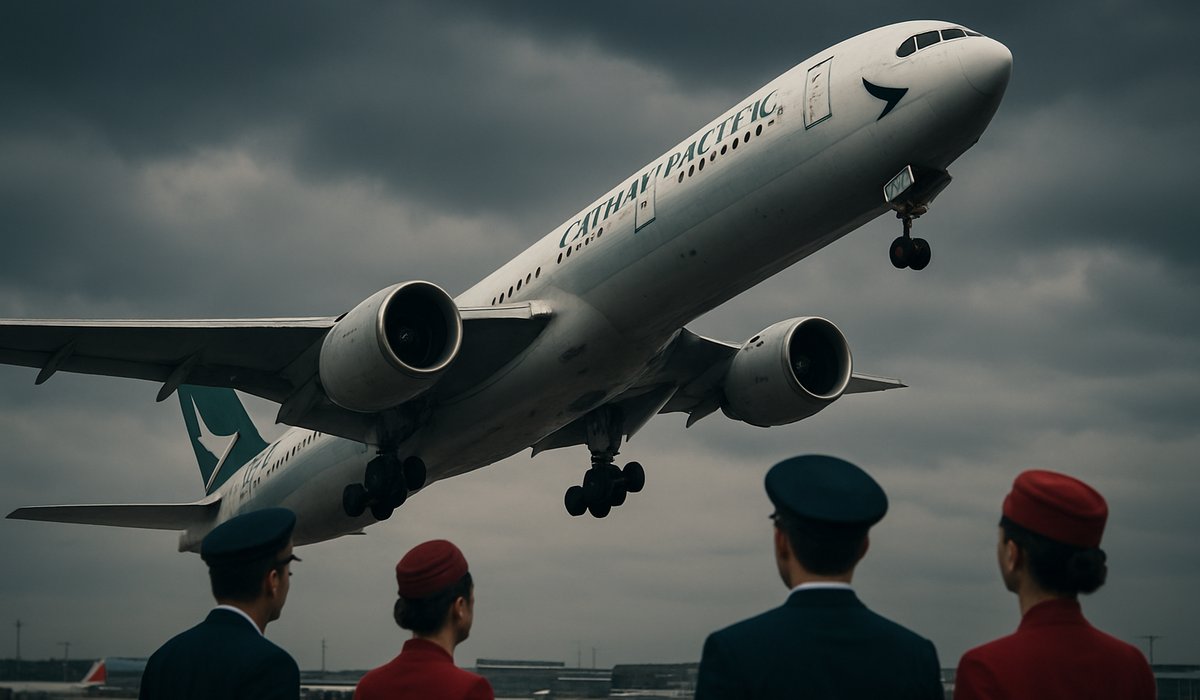
Image generated by AI
Cathay Pacific Flight Plummets During Final Approach, Eight Hospitalized After Severe Turbulence Event
Hong Kong-bound aircraft experiences violent mid-air disturbance as crew serves meals, raising fresh questions about cabin safety protocols
Sudden Turbulence Forces Emergency Response
A Cathay Pacific Airways flight descending into Hong Kong encountered severe and sudden turbulence during the final stages of its approach early Saturday, leaving ten people injured and triggering an immediate medical emergency response upon landing. Flight CX156, operating an Airbus A350-900 aircraft from Brisbane, Australia, experienced the violent atmospheric disturbance while crew members were actively servicing passengers mid-meal—a particularly dangerous scenario that has intensified debate within the aviation industry about passenger and staff protection measures.
Eight of the ten injured individuals required hospitalization following the incident, according to emergency response authorities at Hong Kong International Airport. The aircraft landed safely despite the severe disruption, with emergency medical teams boarding immediately upon touchdown to assess and treat the affected passengers and crew members.
The Nature of the Incident
Eyewitness accounts from passengers describe the turbulence as sudden and extreme, with one account comparing the experience to a "drop tower" amusement park ride—suggesting a dramatic loss of altitude in brief seconds. The timing of the incident during active meal service placed both cabin crew and passengers in particularly vulnerable positions, with food service equipment and unsecured items becoming potential hazards.
Cabin crew members were among those injured, underscoring the occupational hazards flight attendants face when severe weather systems are encountered without adequate warning. This incident mirrors a troubling pattern of turbulence-related injuries documented across the global aviation industry in recent years, as aircraft operate through increasingly volatile atmospheric conditions.
Industry-Wide Safety Concerns
The event has reignited scrutiny regarding turbulence preparedness and in-flight safety protocols for commercial aviation. Aviation safety experts and industry regulators are examining whether current guidelines for crew positioning and meal service timing adequately account for severe weather risks, particularly on approach routes into major Asia-Pacific hubs like Hong Kong.
Cathay Pacific has not released detailed statements regarding the specific cause of the turbulence or whether meteorological forecasting systems provided advance warning of the atmospheric disturbance.
FAQ: Common Questions About Aircraft Turbulence Safety
Q: How dangerous is severe turbulence to aircraft structure? A: Modern commercial aircraft like the Airbus A350 are engineered to withstand extreme turbulence. Structural failure is extremely rare; injuries occur primarily to unsecured passengers and crew members.
Q: Why do airlines serve meals during descent when turbulence risk increases? A: Airlines balance service completion schedules against weather forecasts. Improving real-time turbulence detection could reshape meal service timing protocols.
Q: What should passengers do during unexpected severe turbulence? A: Follow crew instructions immediately, remain seated with seatbelts fastened, and brace for impact if instructed. Cabin crew prioritize securing the cabin during severe events.
Q: Are cabin crew adequately trained for turbulence emergencies? A: Crew receive mandatory safety training, but some aviation safety advocates argue protocols need enhancement for extreme weather scenarios.
Q: How common are turbulence-related hospitalizations in commercial aviation? A: Severe injury events remain statistically rare, but reporting suggests increased frequency correlates with changing atmospheric patterns globally.
Related Travel Guides
Flight Delay Compensation Guide 2026
Understanding Airline Route Changes
Airport Security Process Updated (2026)
External Resources
Disclaimer
This article is for informational and educational purposes only. It does not constitute legal, financial, or professional advice. While we strive to provide accurate and up-to-date information, travel policies, regulations, and conditions change rapidly. Always verify information with official sources before making travel decisions. Nomad Lawyer makes no representations about the accuracy, reliability, completeness, or suitability of the information provided. Readers should consult qualified professionals for advice specific to their circumstances. The views expressed in this article are those of the author and do not necessarily reflect the views of Nomad Lawyer.
Kunal K Choudhary
Co-Founder & Contributor
A passionate traveller and tech enthusiast. Kunal contributes to the vision and growth of Nomad Lawyer, bringing fresh perspectives and driving the community forward.
Learn more about our team →