
Learn to Fight Yourself: Trump Urges Allied Nations to Secure Strait of Hormuz Oil
President Trump calls on the U.K. and allied nations to independently secure oil from the Strait of Hormuz in 2026, signaling a shift in U.S. military support and reshaping global energy logistics for travelers.

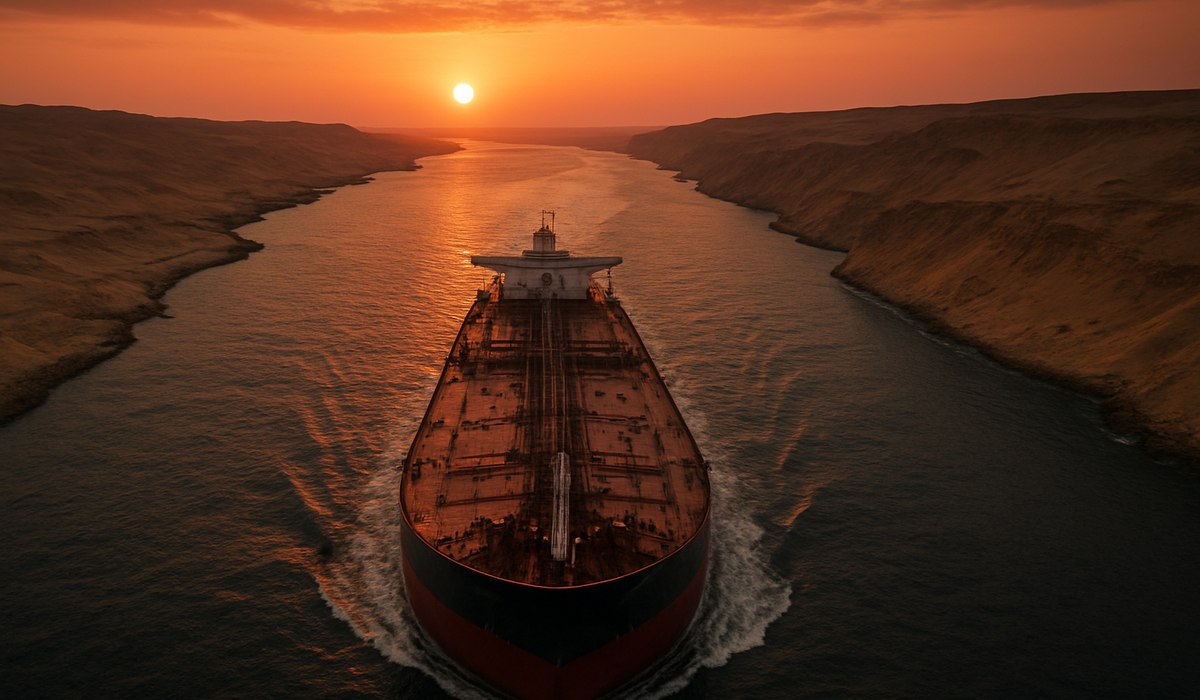
Image generated by AI
President Trump's Call for Allied Self-Reliance on Energy Security
President Donald Trump issued a stark message to allied nations on Tuesday morning: learn to secure your own oil resources from the Strait of Hormuz without U.S. military protection. Speaking directly to the United Kingdom and other nations facing jet fuel shortages, Trump declared that countries must "take" oil from the critical waterway themselves. His statement marks a significant pivot in American foreign policy regarding global energy security and represents a dramatic shift in how international travel and logistics will function moving forward.
Trump's position reflects broader frustrations with allied nations that declined to participate actively in regional military operations. The administration's messaging emphasizes financial self-interest and geopolitical rebalancing as 2026 progresses, with serious implications for global aviation, shipping, and tourism sectors.
Trump's Message: Nations Must Secure Own Resources
The President offered a three-part solution to energy-dependent allied nations facing the Strait of Hormuz crisis. First, he recommended purchasing American oil reserves. Second, he urged nations to develop what he termed "delayed courage" and directly access oil from the critical waterway. Third, he warned that the United States would no longer serve as the primary military guarantor for international commerce through strategically vital shipping lanes.
"You'll have to start learning how to fight for yourself," Trump stated, emphasizing that American military protection cannot be taken for granted. This rhetorical framing—to "learn fight yourself"—has become central to the administration's case for reallocating defense commitments. Secretary of Defense Pete Hegseth reinforced this message during a Pentagon briefing, noting that other nations possess military capabilities sufficient for regional security operations.
Hegseth specifically referenced the Royal Navy's capabilities, suggesting that the United Kingdom should independently manage Strait of Hormuz security operations. The Pentagon's position aligns with Trump's assertion that the United States uses the strategic waterway "dramatically less than most" nations globally.
Strait of Hormuz Supply Crisis Impacts Global Travel
The ongoing conflict has created an unprecedented energy supply crisis affecting international travel throughout 2026. The United Kingdom reportedly received its final scheduled jet fuel tanker delivery from Middle Eastern suppliers this week, creating immediate concerns about aviation fuel availability. Airlines operating transatlantic routes face potential scheduling challenges and increased operational costs.
Korean Air has transitioned to emergency management protocols to address soaring jet fuel expenses. American consumers are experiencing elevated gasoline prices, with the national average exceeding four dollars per gallon for the first time since 2022—representing increases of over one hundred percent since late February. These price pressures cascade through the tourism and transportation sectors, affecting everything from airport shuttle services to rental car pricing.
A Kuwait Petroleum Corporation oil tanker, the Al-Salmi, sustained direct missile strikes near Dubai this week while carrying approximately two million barrels of crude. This attack demonstrates the ongoing vulnerability of maritime commerce through the Strait of Hormuz, where roughly twenty percent of global oil production transits annually. The incident underscores why Trump's push for allied nations to independently secure this waterway carries genuine strategic significance for international travel infrastructure.
Pentagon Backs 'Self-Reliance' Stance for Allied Nations
Secretary of Defense Pete Hegseth articulated the Pentagon's full endorsement of Trump's self-reliance messaging during official briefings. Military leadership contends that international waterways used primarily by other nations should be protected by those same nations. Hegseth's comments about the Royal Navy's capabilities reflect deeper military assessments about burden-sharing within NATO and broader alliance structures.
The Pentagon's stance represents a fundamental recalibration of post-Cold War security assumptions. For decades, American naval power guaranteed freedom of navigation through critical chokepoints like the Strait of Hormuz. This arrangement, while expensive for the United States, provided stability that benefited all maritime commerce. Trump's administration argues this system unfairly distributes security costs, with American taxpayers subsidizing commerce primarily benefiting other economies.
Military planners believe allied nations possess sufficient naval capabilities to coordinate independent security operations. This assessment, while technically defensible, raises questions about coordination, escalation risks, and the likelihood of conflicts spreading beyond current parameters. The Pentagon's position nonetheless remains resolute: burden-sharing must increase, or American security guarantees diminish proportionally.
What This Means for International Travel and Logistics
The Trump administration's rhetorical shift carries concrete implications for travelers, airlines, and logistics companies in 2026. Several specific impacts warrant immediate attention from anyone planning international journeys.
Jet fuel availability now depends partly on independent allied procurement rather than stabilized American-backed supply chains. This increases pricing volatility and potentially creates temporary fuel shortages on certain routes. Travelers should expect variable fuel surcharges and possible schedule adjustments from international carriers.
Shipping costs for both cargo and passenger baggage will likely increase as maritime insurance premiums rise amid heightened Strait of Hormuz tensions. Tour operators may pass these costs to consumers through higher package prices or additional fees.
Visa and security protocols may evolve as nations recalibrate their military postures and regional alliances. Enhanced security screening at certain airports could lengthen check-in procedures.
Hotel and accommodation pricing in Middle Eastern destinations could fluctuate as geopolitical uncertainty affects regional tourism demand. Business travel to the Gulf may see temporary disruptions.
Travel insurance requirements may expand to cover fuel surcharge protections and geopolitical event cancellations. Comprehensive travel insurance becomes increasingly valuable during periods of such pronounced uncertainty.
Key Data Table: Strait of Hormuz Crisis Impact Summary 2026
| Metric | Current Value | Previous Baseline | Impact |
|---|---|---|---|
| Global Oil Transit (% of production) | 20% | 20% | Strategic criticality unchanged |
| U.S. Gasoline Average Price | $4.10/gallon | $2.89/gallon | 42% increase since February 28 |
| U.K. Jet Fuel Deliveries | Emergency supply | Regular scheduled | Domestic aviation under pressure |
| Tanker Attacks (April 2026) | 3 confirmed | 0 (Feb baseline) | Maritime security deteriorating |
| Korean Air Operations | Emergency management | Standard operations | Cost mitigation mode activated |
| International Oil Tankers Delayed | 12+ vessels | Minimal delays | Supply chain disruption growing |
| American Military Commitment | Reassessing | Guaranteed | Policy fundamentally shifting |
Travelers' Action Plan: 5 Key Takeaways
-
Book flights with fuel surcharge flexibility where possible, allowing changes without penalties as energy prices potentially fluctuate further throughout 2026.
-
Purchase comprehensive travel insurance covering geopolitical event cancellations, fuel surcharges, and schedule changes related to energy supply disruptions.
-
Plan Middle Eastern travel carefully, consulting current security briefings from your government before departing for Gulf destinations where regional tensions remain elevated.
-
Expect variable international airfare pricing as carriers adjust fuel surcharges weekly or even daily in response to Strait of Hormuz developments and oil market movements.
-
Monitor diplomatic developments regarding potential cease-fire negotiations, as any escalation could rapidly affect aviation routes, shipping schedules, and destination safety profiles.
Frequently Asked Questions
What is the Strait of Hormuz and why does it matter to travelers?
The Strait of Hormuz is a narrow waterway connecting the Persian Gulf to the Gulf of Oman, through which approximately twenty percent of global crude oil production transits daily. Disruptions to this passage affect fuel prices worldwide, directly impacting aviation costs, hotel operations, and overall travel expenses for all international tourists.
Will the U.S. Navy stop protecting commercial shipping?
Trump's administration emphasizes that allied nations should increase military responsibility for regional security. The U.S. military presence will likely remain, but reduced American
Raushan Kumar
Founder & Lead Developer
Full-stack developer with 11+ years of experience and a passionate traveller. Raushan built Nomad Lawyer from the ground up with a vision to create the best travel and law experience on the web.
Learn more about our team →