
Waiting Longer Package Delivery Cuts Carbon Emissions by 50%
New research shows that delaying package delivery by just 3-4 days can reduce carbon emissions by up to 56% in 2026. Online shoppers choosing slower shipping options significantly lower their climate footprint while maintaining e-commerce convenience.

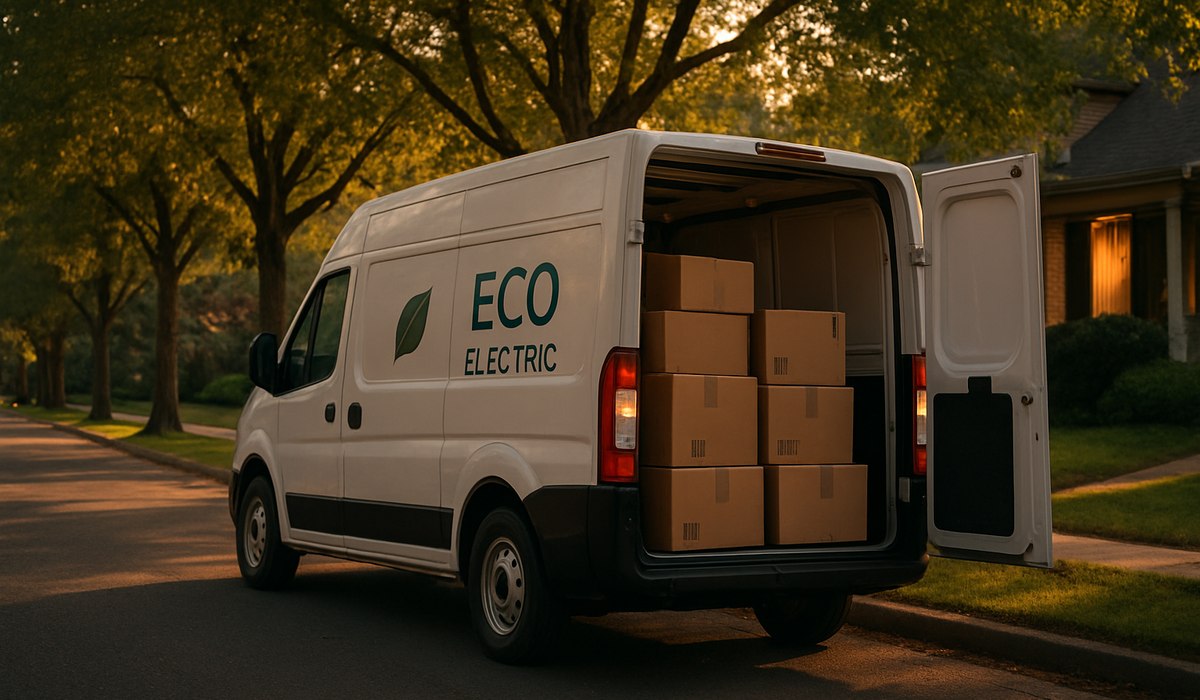
Image generated by AI
The Environmental Price of Speed: Why Your Package Waiting Matters
Choosing a waiting longer package delivery option rather than expedited shipping can reduce carbon emissions by up to 56%, according to emerging sustainability research. This finding challenges the convenience culture that has dominated e-commerce since mega-retailers introduced same-day delivery options in 2015. The shift toward slower delivery methods represents a practical approach for environmentally conscious travelers and remote workers who rely on online purchases while maintaining their sustainability commitments. Transportation experts now recognize that the pressure for ultra-fast delivery creates a hidden climate cost that most consumers never consider when clicking "buy now."
The waiting longer package trend addresses a critical environmental problem: the last-mile delivery phase produces disproportionate emissions relative to the entire shipping process. Research from the MIT Sustainable Supply Chain Lab reveals that this final stretch accounts for approximately 50% of a delivery's total carbon footprint. Understanding this dynamic helps travelers make informed purchasing decisions that align with their climate values.
The Hidden Climate Cost of Fast Shipping
The demand for ultra-fast delivery fundamentally changes how logistics companies operate their networks. When customers select expedited shipping options, consolidation becomes impossible—packages travel separately rather than combined, requiring multiple vehicle trips along identical routes. Dr. Sreedevi Rajagopalan, director of MIT's Sustainable Supply Chain Lab, explains that expedited shipping prevents companies from optimizing delivery efficiency.
Standard shipping allows logistics coordinators to batch multiple orders together, reducing the total number of trips needed. Fast shipping demands compromise this strategy, forcing drivers to visit the same neighborhoods repeatedly within single days or consecutive days. This inefficiency multiplies emissions dramatically across urban delivery networks.
A 2021 comparative study found that in-person shopping generates 1.5 to 2.9 times more emissions than online shopping overall. However, same-day delivery models reverse this advantage. When Amazon and Walmart introduced same-day delivery in 2015 and 2017 respectively, researchers documented that the practice increased total CO2 emissions up to 15% while raising costs by 68%. For business travelers managing tight schedules, understanding these tradeoffs becomes essential when planning supply chain decisions.
Last-Mile Delivery: Where Most Emissions Happen
Last-mile delivery encompasses the journey from distribution centers to consumer doorsteps—typically the shortest distance but most carbon-intensive segment. Drivers making multiple stops in traffic patterns, navigating inefficient routes, and waiting at addresses all contribute to emission spikes during these final miles.
The logistics industry has recognized this problem, prompting major carriers to invest in sustainable alternatives. Amazon committed to deploying 100,000 electric delivery vehicles by 2030, while FedEx pledged to transition its entire fleet to zero-emission vehicles by 2040. These corporate commitments address the transportation component, yet consumer behavior remains equally critical.
Encouraging customers to select waiting longer package options proves as effective as fleet electrification. Consolidating multiple purchases into single shipments and selecting standard delivery timelines creates operational flexibility for delivery companies. This flexibility enables route optimization, vehicle consolidation, and reduced repeated visits to residential areas. For digital nomads shipping equipment between locations, batch ordering across several weeks produces measurable environmental benefits compared to frequent individual purchases.
How Slower Shipping Reduces Your Carbon Footprint
Selecting standard shipping instead of expedited options creates measurable climate improvements without sacrificing the fundamental benefits of online purchasing. A waiting longer package approach—delaying delivery by 3-4 days—reduces emissions between 40% and 56% according to MIT research. This reduction represents a significant environmental gain achievable through simple purchasing behavior modifications.
The carbon savings accumulate across consumer populations. If 10% of online shoppers switched from next-day to standard delivery, aggregate emissions would drop substantially across national logistics networks. Business travelers frequently ship supplies, equipment, and documents internationally; adopting slower shipping preferences for non-urgent items creates meaningful climate impact.
Consolidation strategies amplify these benefits. Instead of placing orders throughout weeks, grouping purchases into weekly or bi-weekly shipments maximizes delivery efficiency. Retailers increasingly offer bundle discounts for consolidated orders, aligning financial incentives with environmental benefits. Some platforms now display estimated emissions reductions when selecting standard shipping, making the climate impact visible at checkout.
Corporate Commitments to Sustainable Delivery
The logistics industry recognizes that meeting climate targets requires systematic operational changes. Beyond vehicle electrification, companies are restructuring last-mile delivery networks through regional distribution centers, micro-fulfillment hubs, and alternative delivery methods including cargo bicycles in urban areas.
FedEx and Amazon's commitments represent industry momentum, yet implementation timelines extend beyond 2030. Current emissions from today's deliveries depend on today's fleet composition—still predominantly diesel-powered vehicles. Consumer pressure for waiting longer package options accelerates the timeline for emissions reduction without waiting for full fleet conversion.
Emerging delivery services now prominently display carbon metrics, allowing consumers to understand their choices' environmental consequences. Some carriers offer carbon-neutral shipping by default or provide options to offset emissions through tree-planting programs. For remote workers and digital nomads managing international shipments, these transparent metrics support sustainable decision-making across global supply chains.
Key Data: Fast Versus Slow Shipping Impact
| Metric | Value | Source |
|---|---|---|
| Last-mile emissions as percentage of total delivery emissions | 50% | MIT Sustainable Supply Chain Lab |
| Emissions reduction from 3-4 day delivery delay | 40-56% | MIT Research, 2026 |
| In-person vs. online shopping emissions ratio | 1.5-2.9x higher for in-person | 2021 Comparative Study |
| Same-day delivery emissions increase | +15% | Amazon/Walmart Implementation Study |
| Same-day delivery cost increase | +68% | Amazon/Walmart Implementation Study |
| Amazon electric vehicle deployment target by 2030 | 100,000 vehicles | Corporate Commitment |
| FedEx zero-emission fleet conversion target | 2040 | Corporate Commitment |
| Returned merchandise reaching landfills annually | 5.8 billion pounds | Optoro Logistics Data |
| Return rate: online vs. brick-and-mortar | 3x higher online | E-commerce Analysis |
What This Means for Travelers
Remote workers and business travelers managing frequent purchases can reduce their carbon footprint through intentional shipping selections:
-
Bundle purchases across weeks - Consolidate multiple items into single shipments rather than ordering daily, reducing vehicles needed and route inefficiency.
-
Select standard shipping by default - Choose 3-4 day delivery timelines for non-urgent items, reducing emissions by 40-56% compared to expedited options.
-
Evaluate purchase necessity - Before ordering, consider whether items are truly needed or could be sourced locally, reducing return rates and supply chain waste.
-
Verify retailer sustainability options - Check whether favorite online retailers display carbon metrics, offer consolidated shipping discounts, or provide carbon-neutral delivery choices.
-
Track returned merchandise - Minimize returns since online shoppers return three times more merchandise than in-store shoppers, with 5.8 billion pounds annually ending up in landfills.
-
Combine with transportation planning - When possible, arrange delivery timing to coincide with other community trips, maximizing consolidated delivery benefits.
FAQ: Common Questions About Package Delivery and Emissions
How much can I reduce emissions by choosing slower delivery? Delaying package delivery by 3-4 days reduces carbon emissions between 40-56%, according to MIT Sustainable Supply Chain Lab research. This represents one of the most impactful individual actions consumers can take regarding online shopping, requiring no technology adoption or lifestyle sacrifice.
Is online shopping really more sustainable than in-person shopping? Generally yes—online shopping produces 1.5 to 2.9 times fewer emissions than in-person shopping. However, this advantage disappears when choosing same-day
Kunal K Choudhary
Co-Founder & Contributor
A passionate traveller and tech enthusiast. Kunal contributes to the vision and growth of Nomad Lawyer, bringing fresh perspectives and driving the community forward.
Learn more about our team →