
LAX: 120 Flights Delayed — American, Delta, United Hit April 2026
Los Angeles airport chaos: 120 flights delayed and 6 cancelled affecting American Airlines, Delta, United and Alaska in April 2026. Passenger action guide.

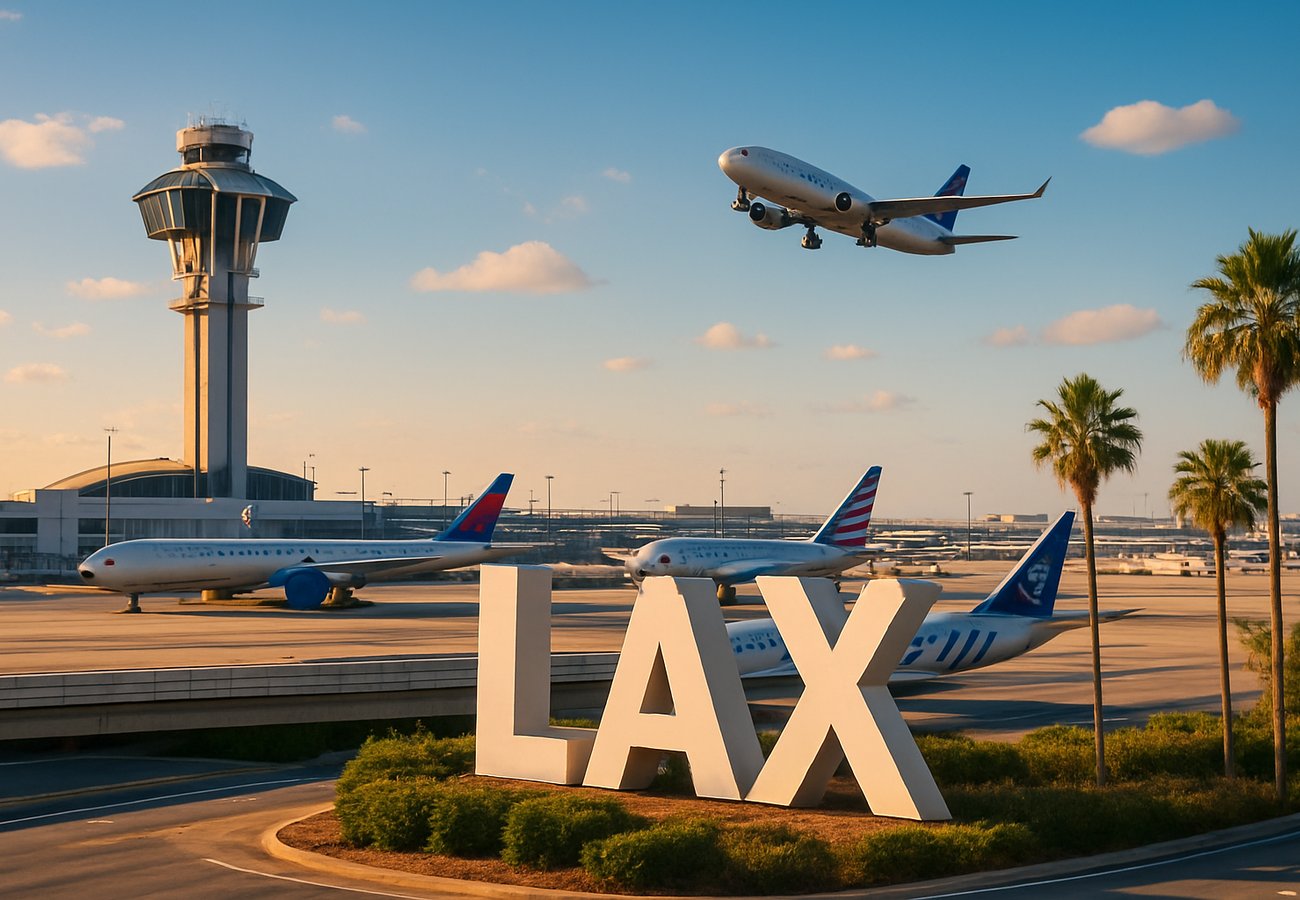
Image generated by AI
Major Disruption at Los Angeles International Airport: 120 Flights Delayed, 6 Canceled
Los Angeles International Airport (LAX), one of the world's busiest aviation gateways, experienced significant operational disruption on April 15, 2026, with 120 flights delayed and 6 flights canceled. The incident affected major carriers including American Airlines, Delta Air Lines, United Airlines, Alaska Airlines, and other operators on both domestic and international routes connecting to key hubs including New York, San Francisco, Chicago, Seattle, and London.
The cascading delays transformed routine journeys into extended airport stays for hundreds of travelers, creating uncertainty for families on vacation, business commuters, and international passengers attempting tight connections. For many passengers, the departures and arrivals boards became a source of constant frustration as departure times shifted repeatedly throughout the day.
Understanding the Scale of Disruption at LAX
The Ripple Effect Across the National Network
Los Angeles International Airport serves as a critical hub for both domestic and international traffic, processing tens of millions of passengers annually. When delays at LAX reach the scale of 120 delayed flights alongside 6 cancellations, the impact extends far beyond Southern California's borders.
Each late departure creates a domino effect throughout the aviation network:
- Missed connections at downstream airports
- Crew reassignments and duty time violations
- Aircraft arriving late into other cities
- Cascading delays across the continental United States
According to the FAA (Federal Aviation Administration), major hub disruptions like this can affect operations across multiple regions within hours. The knock-on effects ripple through airports nationwide, forcing other facilities to juggle gates, baggage operations, and crew scheduling.
Real Impact on Passengers
Behind the statistics of 120 delays and 6 cancellations are thousands of individual travelers facing genuine hardship:
- Families watching vacation departure times slip by 30 minutes, then an hour, then more
- Business travelers anxiously calculating whether they can still make critical East Coast meetings
- Parents managing restless children in crowded terminal areas
- International passengers risking missed onward connections
- Elderly travelers and those with mobility challenges facing extended waits
For passengers with tight international connections or time-sensitive events at their destination, the uncertainty creates significant stress and potential financial consequences.
Operational Challenges for Airlines During Major Disruptions
When delays accumulate to 120 flights at Los Angeles International Airport, airlines face complex operational constraints:
Crew Management Issues:
- Pilots and flight attendants approaching federal duty time limits
- Last-minute staffing changes required
- Potential crew rest violations if aircraft remain grounded too long
Aircraft Rotation Problems:
- Aircraft assigned to later flights stuck on delayed rotations
- Gaps created in the daily schedule
- Cascading impacts on subsequent flight operations
Ground Operations Pressure:
- Baggage handling teams constantly reshuffling plans
- Catering services managing inventory and timing
- Gate assignments shifting as departure times change
- Fueling and maintenance operations adapting to new schedules
Airlines must navigate these constraints while maintaining safety compliance and regulatory adherence, even as operational pressure mounts.
Air Traffic Management and Regulatory Framework
The response to disruptions at Los Angeles International Airport operates within a strict federal regulatory framework. The FAA establishes rules governing:
- Aircraft spacing and separation requirements
- Congestion management protocols
- Response procedures for adverse conditions
- Traffic flow management across the national airspace system
Even when the immediate cause of delays is local—such as weather, runway maintenance, or traffic surges—the response is shaped by nationwide traffic flow management practices. Airlines must operate within this framework, adjusting schedules and routes in cooperation with air traffic controllers, even when that means accepting slower operations on busy days.
What This Means for Travelers
Passenger Rights During Operational Disruptions
Travelers caught in 120 delays and 6 cancellations at LAX should understand their rights and available options:
Immediate Actions:
- Monitor airline apps and text alerts for real-time updates
- Contact airline service desks for rebooking options
- Document delays for potential compensation claims
- Request meal vouchers or accommodation as applicable
Compensation and Support:
- Many airlines offer free same-day flight changes during significant disruptions
- Meal vouchers may be provided for extended delays
- Hotel accommodations sometimes available depending on delay length and cause
- Check specific airline policies and fare conditions for detailed coverage
Connection Protection:
- Airlines typically rebook passengers on next available flights at no additional charge
- Some carriers offer priority rebooking for tight connections
- International passengers may receive additional assistance
Practical Coping Strategies
For travelers navigating disruptions at Los Angeles International Airport, several strategies can improve the experience:
-
Keep Airline Apps Updated – Receive real-time notifications and self-service rebooking options without standing in line
-
Build Extra Buffer Time – Add 2-3 hours for connections, especially on international flights
-
Pack Smart – Keep medications, chargers, snacks, and a change of clothes in carry-on luggage
-
Stay Informed – Monitor flight status through multiple sources including FlightAware and airline websites
-
Know Your Rights – Understand airline policies and applicable passenger protection regulations
-
Maintain Flexibility – Be prepared to accept alternative flights or routing if necessary
Cascading Effects Across California and Beyond
The operational disruption at Los Angeles International Airport extends well beyond Southern California due to the airport's critical role in the national aviation network.
Affected Routes and Destinations:
- Domestic routes to New York, Chicago, San Francisco, and Seattle
- International service to London and other European hubs
- West Coast connections through regional airports
- Transcontinental flights with LAX connections
Airports receiving late-arriving aircraft must manage:
- Gate reassignments and terminal congestion
- Baggage operation delays
- Crew scheduling adjustments
- Passenger connection challenges
Travelers not even flying through Los Angeles International Airport may experience delays if their aircraft or crew originated from or transited through LAX earlier in the day.
Human Stories in the Terminals
The statistics of 120 delays and 6 cancellations represent real human experiences unfolding throughout Los Angeles International Airport:
- Grandparents clutching gifts for long-awaited family reunions as departure times slip repeatedly
- Business travelers anxiously refreshing phones, calculating whether critical meetings can still be made
- Parents pushing strollers in slow circles near charging stations, attempting to keep children calm
- Elderly passengers managing fatigue and stress during extended waits
- International visitors struggling with language barriers and unfamiliar rebooking processes
For many travelers, the airport becomes an unplanned temporary residence—one they never anticipated spending so much time in.
Looking Ahead: Resilience and Adaptation
The disruption at Los Angeles International Airport on April 15, 2026, highlights both the vulnerabilities and resilience of modern aviation:
System Vulnerabilities:
- Tightly scheduled operations leave little buffer for disruptions
- Single-point failures can cascade across the network
- Peak capacity operations reduce flexibility
Adaptive Strengths:
- Real-time communication tools enable faster passenger notification
- Airlines increasingly offer flexible rebooking options
- Passengers develop realistic expectations about buffer times
- Industry coordination improves response times
As air travel continues to grow, the balance between maximizing efficiency and maintaining resilience remains critical. For now, travelers passing through Los Angeles International Airport hope simply to see "delayed" replaced by "final boarding call" on their flight displays.
Related Travel Guides
Disclaimer
This article is for informational and educational purposes only. It does not constitute legal, financial, or professional advice. While we strive to provide accurate and up-to-date information, travel policies, regulations, and conditions change rapidly. Always verify information with official sources before making travel decisions. Nomad Lawyer makes no representations about the accuracy, reliability, completeness, or suitability of the information provided. Readers should consult qualified professionals for advice specific to their circumstances. The views expressed in this article are those of the author and do not necessarily reflect the views of Nomad Lawyer.
Kunal K Choudhary
Co-Founder & Contributor
A passionate traveller and tech enthusiast. Kunal contributes to the vision and growth of Nomad Lawyer, bringing fresh perspectives and driving the community forward.
Learn more about our team →