
Food Poisoning Caused Airbus A320 Captain to Lose Consciousness: SWISS Emergency 2018
SWISS flight LX564's Airbus A320 captain collapsed from food poisoning during flight to Nice in August 2018, slamming cockpit controls as 166 passengers faced emergency landing procedures.

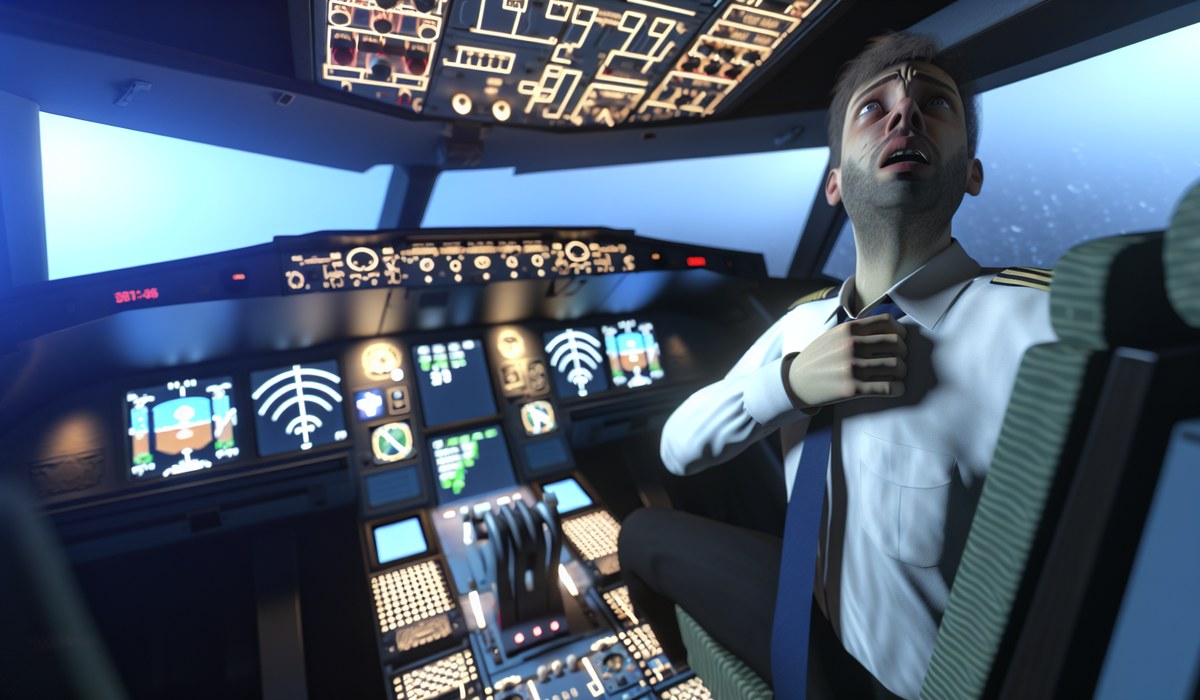
Image generated by AI
Quick Summary
- SWISS Flight LX564: Airbus A320-214 captain incapacitated by sudden food poisoning between Zurich (ZRH) and Nice (NCE) on August 26, 2018
- Impact: 166 passengers and crew faced emergency protocols when pilot collapsed onto controls mid-flight
- Traveler Action: Check airline crew medical protocols before booking long-haul flights
- What's Next: Aviation authorities reviewing in-flight meal safety standards and pilot incapacitation procedures for 2026 compliance updates
SWISS International Air Lines faced a critical cockpit emergency on August 26, 2018, when the captain of an Airbus A320 emergency unfolded over European airspace. Flight LX564 departed Zurich Airport (ZRH) that evening carrying 166 souls aboard, destined for Nice Côte d'Azur Airport (NCE) in France. What began as a routine 90-minute flight transformed into a medical crisis when food poisoning caused the pilot in command to lose consciousness, slamming into the cockpit controls as crew scrambled to stabilize the aircraft.
Captain Collapse Triggers Airbus A320 Emergency Protocol
The captain suddenly became incapacitated approximately 45 minutes into the flight over French territory. Witnesses reported that the pilot slumped forward without warning, his body weight striking the control yoke and triggering immediate altitude deviations. The first officer instantly assumed command while cabin crew rushed to provide medical assistance. According to EASA safety reports, pilot incapacitation events occur in approximately 1 in 30,000 flights, making this SWISS incident statistically rare but operationally critical. The first officer declared a Pan-Pan emergency with French air traffic control, securing priority handling for an expedited descent into Nice.
Food Poisoning Identified as Cause of Cockpit Incapacitation
Post-incident medical evaluations confirmed that severe food poisoning caused the captain's sudden collapse. The pilot had consumed a crew meal approximately two hours before departure from Zurich, with symptoms manifesting rapidly at cruising altitude. Aviation medical experts note that food contamination affects pilots differently at altitude due to reduced cabin pressure and oxygen saturation levels. SWISS immediately launched an investigation into catering suppliers and meal preparation protocols. The airline's standard operating procedures require pilots to consume different meals specifically to prevent dual-crew incapacitation, though this safeguard did not prevent the single-pilot medical emergency on LX564.
Emergency Landing Procedures Execute at Nice Airport
The first officer executed textbook emergency procedures, maintaining aircraft control while coordinating with Nice approach control. The Airbus A320 descended from cruise altitude of 37,000 feet under single-pilot operation, with cabin crew managing passenger anxiety throughout the 20-minute emergency descent. Emergency medical services positioned at Nice Airport's runway 04R, ready to board immediately upon landing. Flight tracking data from FlightAware shows the aircraft touched down 18 minutes ahead of schedule due to direct routing clearance. All 166 passengers deplaned safely, with the incapacitated captain transferred directly to a Nice medical facility for treatment and observation.
SWISS Operational Response and Crew Meal Policy Review
SWISS grounded its entire Zurich-based Airbus A320 fleet for 12 hours following the incident while investigators examined catering protocols. The airline confirmed that both pilots on LX564 had ordered from the same catering service despite selecting different meal options. Within 72 hours, SWISS implemented enhanced food safety audits across all catering contractors serving its European hub operations. The carrier also revised cockpit meal timing procedures, requiring a minimum two-hour gap between pilot consumption times on flights exceeding 90 minutes. These changes aligned with IATA recommended practices for preventing foodborne illness in flight operations.
Passenger Rights and Compensation for Medical Emergencies
The 166 passengers aboard flight LX564 experienced a two-hour delay reaching their Nice destination after aircraft inspection and crew rest requirements. Under EU Regulation 261/2004, passengers on flights experiencing medical emergencies typically do not qualify for compensation when delays result from extraordinary circumstances beyond airline control. However, SWISS offered all affected passengers a 25% discount voucher on future bookings and complimentary lounge access as a goodwill gesture. Travelers facing similar medical emergency diversions should document all expenses for potential reimbursement claims through travel insurance providers or credit card trip protections.
Aviation Industry Lessons from Airbus A320 Food Poisoning Event
This incident reinforced the critical importance of cockpit meal separation policies across commercial aviation. The European Aviation Safety Agency cited the LX564 emergency in updated 2019 guidance requiring airlines to source pilot meals from different preparation facilities on flights over 2 hours. Training programs now emphasize rapid first officer assumption of command during sudden captain incapacitation scenarios. Flight simulator sessions specifically recreate cockpit control interference scenarios where an unconscious pilot's body position creates flight control complications. The SWISS case study appears in current pilot training curricula as an example of successful emergency management despite extreme circumstances.
| Emergency Detail | Specific Information |
|---|---|
| Flight Number | SWISS LX564 |
| Aircraft Type | Airbus A320-214 |
| Route | Zurich (ZRH) to Nice (NCE) |
| Persons Aboard | 166 passengers and crew |
| Emergency Cause | Captain food poisoning and incapacitation |
| Altitude at Incident | 37,000 feet over France |
| Landing Delay | 18 minutes early due to priority handling |
| Passengers Injured | Zero injuries reported |
What This Means for Travelers
Passengers booking flights on European carriers can verify airline safety records and emergency response protocols through official aviation databases. Travelers should:
- Review airline medical emergency statistics on the Aviation Safety Network database before booking
- Purchase comprehensive travel insurance covering medical emergency diversions and delays
- Observe cabin crew safety briefings, which include medical emergency procedures
- Carry essential medications in carry-on luggage in case of unexpected diversions
- Download airline mobile apps for real-time flight status updates during emergencies
- Document all delay-related expenses with receipts for insurance or compensation claims
Frequently Asked Questions
How common are pilot incapacitation events on commercial flights? Pilot incapacitation occurs in approximately 1 in 30,000 commercial flights worldwide, according to EASA safety data. Food poisoning accounts for roughly 12% of these cases, with cardiac events and sudden illness comprising the majority. All commercial aircraft require two qualified pilots specifically to handle such emergencies, with first officers trained to assume full command instantly when captains become unable to perform duties.
What happens when an Airbus A320 captain collapses onto cockpit controls? Modern Airbus A320 cockpit designs include side-stick controllers that minimize control interference when a pilot slumps forward. However, inadvertent pressure on control surfaces can cause altitude or heading deviations. First officers are trained to physically restrain or remove an incapacitated pilot from the control station while maintaining aircraft stability. Cabin crew assists in moving the unconscious pilot away from flight controls to prevent continued interference during emergency descent.
Do airlines still allow pilots to eat the same meals after food poisoning incidents? Major European and North American carriers now mandate that flight deck crew members consume meals from different catering suppliers or preparation batches on flights exceeding two hours. SWISS, Lufthansa, and other IATA member airlines implemented these enhanced food separation protocols following the 2018 LX564 incident. Pilots typically select from separate meal menus or eat at staggered times to minimize dual-incapacitation risk from foodborne illness.
Are passengers entitled to compensation when medical emergencies divert flights? Medical emergencies involving crew or passengers typically qualify as extraordinary circumstances under EU Regulation 261/2004, exempting airlines from mandatory compensation for delays or diversions. However, travelers should file claims with travel insurance providers for documented expenses including accommodation, meals, and rebooking fees. Some airlines voluntarily offer goodwill compensation such as vouchers or frequent flyer miles when medical emergencies significantly disrupt passenger travel plans.
Related Travel Guides
Understanding Pilot Medical Certification Requirements for Safer Flights EU Flight Compensation Rights: Complete 2026 Traveler Guide Airbus A320 Safety Record: What Passengers Should Know
Disclaimer
This article is for informational and educational purposes only. It does not constitute legal, financial, or professional advice. While we strive to provide accurate and up-to-date information, travel policies, regulations, and conditions change rapidly. Always verify information with official sources before making travel decisions. Nomad Lawyer makes no representations about the accuracy, reliability, completeness, or suitability of the information provided. Readers should consult qualified professionals for advice specific to their circumstances. The views expressed in this article are those of the author and do not necessarily reflect the views of Nomad Lawyer.
Raushan Kumar
Founder & Lead Developer
Full-stack developer with 11+ years of experience and a passionate traveller. Raushan built Nomad Lawyer from the ground up with a vision to create the best travel and law experience on the web.
Learn more about our team →