
Lamphun Holds The Golden Key To Unlocking An Unforgettable Travel Route In Northern Thailand, All You Need To Know
Lamphun Holds The Golden Key To Unlocking An Unforgettable Travel Route In Northern Thailand, All You Need To Know

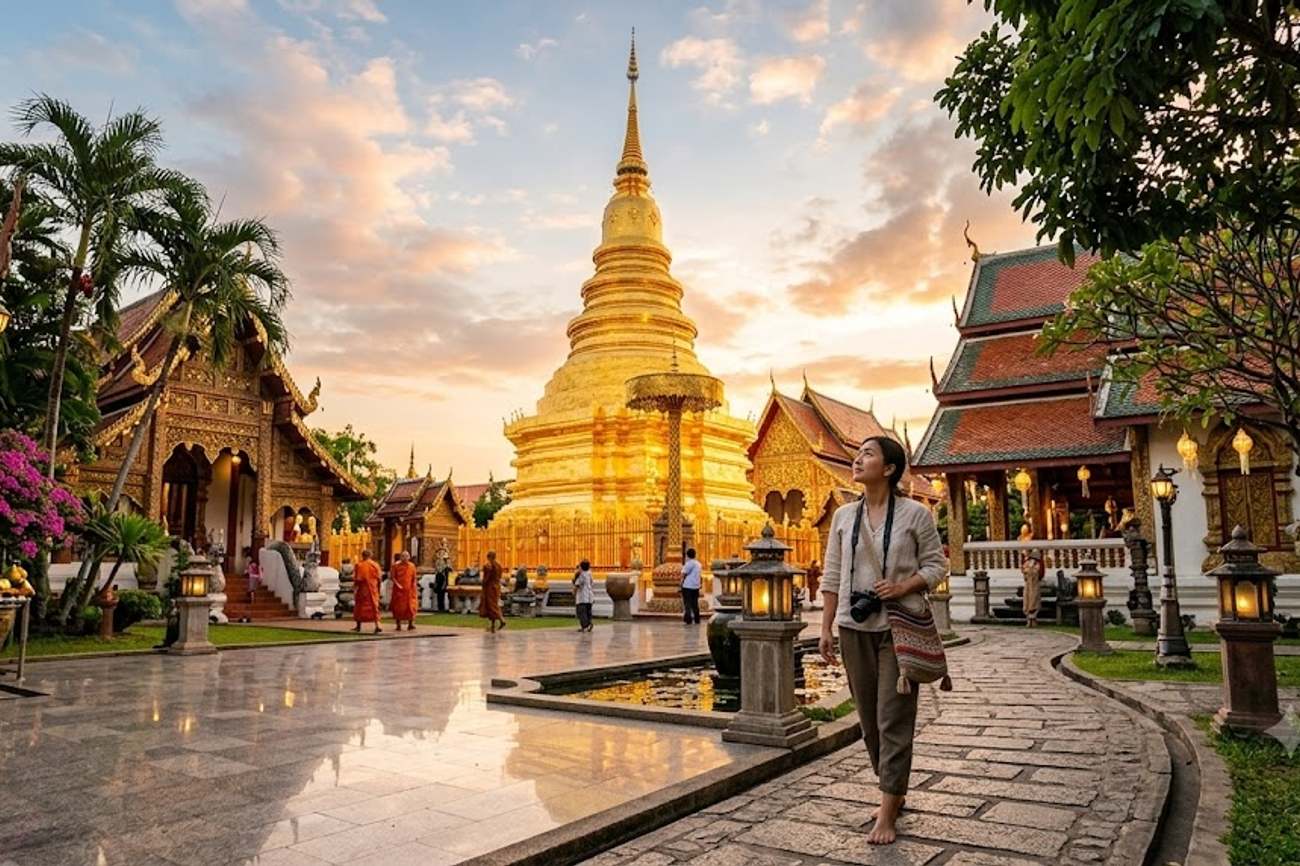
Image generated by AI
[Chiang Mai, May 2024] — International tourism in Chiang Mai has reached a critical saturation point, with 82% of global travelers now confined to the city's four-square-kilometer Old City grid. This extreme spatial concentration is triggering a collapse in service quality, eroding profit margins for luxury operators, and destroying the spiritual tranquility of the region's Buddhist monasteries.
The crisis is most acute during the peak travel window from November through February, when municipal traffic delay indices surge by 340%. Within the historical moat area, average transit speeds have plummeted to below eight kilometers per hour. This operational bottleneck has transformed high-premium journeys into commoditized experiences, as sophisticated travelers encounter severe vehicular gridlock and repetitive, standardized itineraries.
The Catalyst of Urban Saturation
The current instability is driven by a structural failure in destination distribution. For years, the tourism model has prioritized the Old City as the primary hub, creating a "hyper-tourism" environment where the physical carrying capacity of the infrastructure is routinely exceeded. This congestion is not merely a logistical nuisance but a commercial liability; fleet vehicles are now spending up to two additional hours idling in gridlock per itinerary.
Furthermore, the rise of automated digital reservation platforms has stripped local operators of their pricing power. As travelers use these platforms to compare standard transit rates and admission fees in real-time, institutional profit margins are evaporating. The result is a paradoxical environment where high visitor volumes are failing to translate into sustainable economic growth for the local community, while simultaneously degrading the cultural fabric of the city.
Market Impact and Geographic Bottlenecks
The impact of this saturation is felt across multiple sectors of the Northern Thailand economy. The following table outlines the specific pressures currently facing the region:
| Sector | Primary Impact | Metric/Observation |
|---|---|---|
| Transportation | Severe transit delays | Speeds below 8km/h in the Old City moat |
| Hospitality | Margin erosion | High reliance on digital aggregators reducing profit |
| Cultural Sites | Spiritual degradation | Loss of peace in Buddhist monasteries |
| Tourism Ops | Product commoditization | Repetitive itineraries reducing perceived luxury value |
| Infrastructure | Capacity breach | 82% of visitors concentrated in 4sq km |
What This Means for Travelers
For passengers and tourists booking trips to Northern Thailand, the "standard" Chiang Mai experience is currently compromised. If you are booking a hotel or tour within the Old City, expect significant delays in ground transportation and overcrowded historical sites. The perceived value of "high-end" packages in the city center is dropping because the physical experience—trapped in traffic and crowded temples—no longer matches the premium price point.
To avoid this, travelers should seek itineraries that intentionally bypass the urban core. There is a growing shift toward "geographic detours" that lead to secondary heritage sites. These routes offer a more authentic connection to regional culture and are less susceptible to the volatility of digital pricing engines. Travelers who pivot away from the Old City will find shorter queues, quieter environments, and a more genuine interaction with Thai traditions.
The Lamphun Pivot: A Strategic Alternative
Industry strategists are now advocating for a total re-architecting of regional travel movements, proposing that the province of Lamphun be repositioned as the primary entry point for Northern Thailand. Located approximately 30 kilometers south of Chiang Mai, Lamphun—the ancient site of Hariphunchai—predates the Lanna Kingdom by five centuries.
Established in the 7th or 8th century under Queen Chamadevi, Lamphun provides the essential architectural and administrative baseline for the entire region. By routing visitors here first, operators can deliver a high-yield, intellectually rich experience that is physically removed from the Chiang Mai bottlenecks. Key sites that offer this alternative include:
- Wat Chammathewi (Wat Ku Kut): Home to the Mahapol Chedi, a rare example of fifth-tier Mon-Dvaravati stepped pyramid architecture featuring Buddha relief sculptures in clay niches.
- Wat Phra That Hariphunchai: A spiritual complex with over a thousand years of continuous devotion.
- The Mae Kuang River Banks: Home to authentic Tai Yong weaving communities producing traditional pha yok dok textiles.
This strategic shift allows the Tourism Authority of Thailand (TAT) and local operators to protect gross operating margins. By leading with immersive heritage visits in Lamphun, tour designers can steer clients away from price-sensitive public routes and toward curated, exclusive experiences that cannot be replicated by automated booking portals.
Future Outlook for Regional Tourism
The transition from a Chiang Mai-centric model to a distributed regional model is viewed as a blueprint for over-visited destinations globally. By elevating secondary destinations from "afternoon side trips" to primary itinerary anchors, Northern Thailand aims to reduce the environmental and physical strain on its urban centers.
The long-term goal is to transform conventional vacation bookings into "defensible travel products." This means creating experiences based on deep historical narratives and artisanal interactions—such as working with master textile weavers—rather than checklists of famous landmarks. If successful, this realignment will ensure that tourism revenue remains within local community balance sheets rather than being drained by external digital channels.
Travelers are encouraged to check official guidelines via the Thai Ministry of Tourism and Sports for updated regional recommendations and to explore the Chiang Mai International Airport logistics for arrivals that allow for immediate transit to secondary provinces.
FAQ: Northern Thailand Travel 2024
Is it still possible to visit the Chiang Mai Old City? Yes, but expect extreme congestion, especially from November to February. Transit speeds are significantly reduced, and major sites are often overcrowded. It is recommended to visit during off-peak hours or integrate secondary destinations.
Why is Lamphun recommended over Chiang Mai for history buffs? Lamphun (ancient Hariphunchai) is the cultural predecessor to the region, dating back to the 7th or 8th century. It offers rarer Mon-Dvaravati architecture and a quieter, more authentic atmosphere than the commoditized center of Chiang Mai.
How does the "hyper-tourism" in Chiang Mai affect prices? While visitor numbers are high, the use of digital aggregation platforms has eroded profit margins for local operators. This often leads to "standardized" low-quality tours. Booking curated, non-traditional routes often provides better value and quality.
What are the best months to avoid the worst traffic? Avoid the peak window of November through February if you wish to escape the 340% increase in traffic delays. Traveling outside this window significantly improves transit times within the historical moat area.
Moving beyond the grid to save the soul of the North.
Tags: Chiang Mai, Lamphun, Hariphunchai, TAT, Northern Thailand Tourism 2024, Mon-Dvaravati Architecture
Related Travel Guides
- Heathrow Airport Enhances Passenger Experience with Smart App for Seamless Terminal Navigation
- Rising Oil Prices Transform US Travel: Insider Guide to Nevada, California, and Western Road Trips in 2026
- Egypt Aligns With Tanzania And More African Countries In Driving Tourist Growth Through Safari Frontiers, Value Luxury And Cruise Voyages
Disclaimer
This article is for informational and educational purposes only. It does not constitute legal, financial, or professional advice. While we strive to provide accurate and up-to-date information, travel policies, regulations, and conditions change rapidly. Always verify information with official sources before making travel decisions. Nomad Lawyer makes no representations about the accuracy, reliability, completeness, or suitability of the information provided. Readers should consult qualified professionals for advice specific to their circumstances. The views expressed in this article are those of the author and do not necessarily reflect the views of Nomad Lawyer.
Preeti Gunjan
Contributor & Community Manager
A passionate traveller and community builder. Preeti helps grow the Nomad Lawyer community, fostering engagement and bringing the reader experience to life.
Learn more about our team →