
How Lake Tahoe Is Championing Sustainable Eco-Tourism Across Seven Iconic Spots Along the California-Nevada Border in 2026
Discover seven iconic Lake Tahoe destinations—from Emerald Bay to Bonsai Rock—while following Leave No Trace eco-tourism guidelines in 2026.

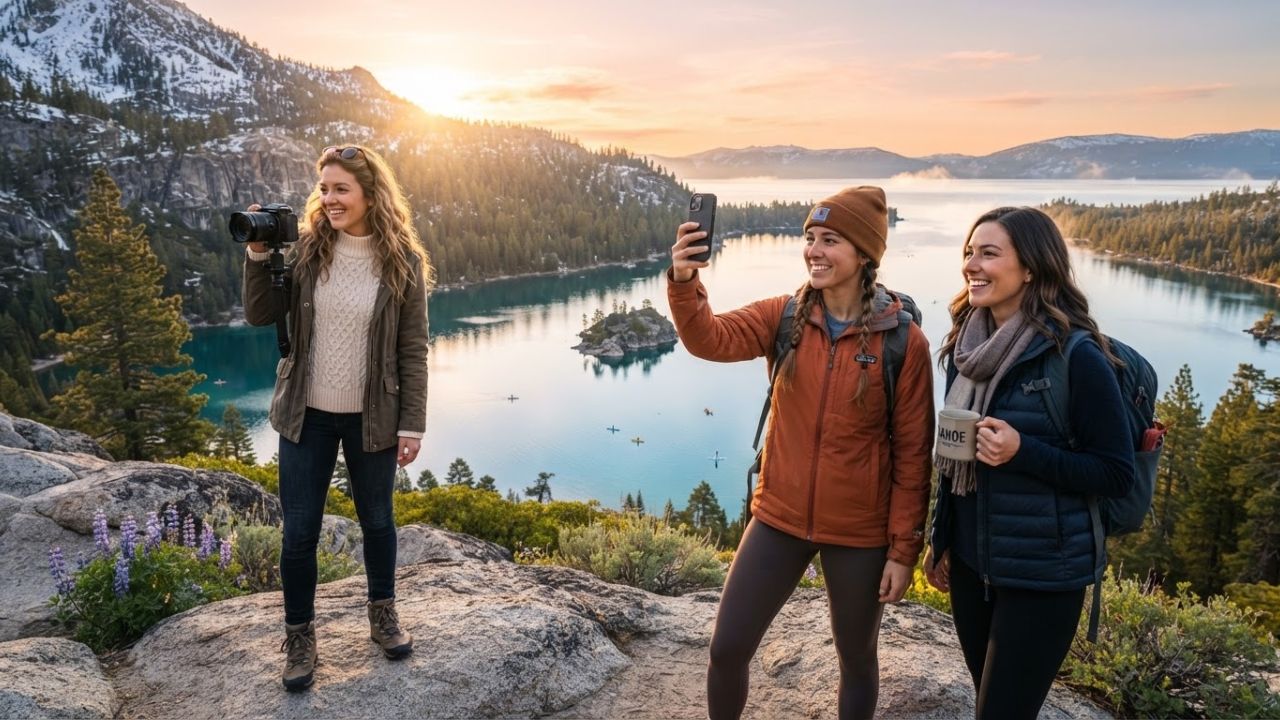
Image generated by AI
How Lake Tahoe Is Championing Sustainable Eco-Tourism Across Seven Iconic Spots Along the California-Nevada Border in 2026
Lake Tahoe is strengthening sustainable travel management across seven celebrated locations along the California-Nevada border to preserve its alpine ecosystem.
The Local Trend Revealed
Spanning the border between California and Nevada, Lake Tahoe remains a premier high-altitude aquatic environment. In 2026, regional land managers—including the U.S. Forest Service, California State Parks, and Nevada State Parks—are coordinating sustainable visitor initiatives across seven core photography and outdoor recreation destinations surrounding the lake basin.
Seven Iconic Lake Tahoe Destinations
1. Emerald Bay State Park
Framed by granite cliffs and dense pine forests, Emerald Bay showcases turquoise alpine waters. Managed by California State Parks, visitors can hike designated rim trails or kayak across the bay during summer while adhering to trail preservation guidelines.
2. Sand Harbor
Located on Nevada's eastern shoreline, Sand Harbor features smooth granite boulders set against clear waters. Nevada State Parks enforces parking reservation protocols during peak seasons to manage beach capacity and support paddleboarding and swimming.
3. Bonsai Rock
Renowned among landscape photographers, Bonsai Rock is characterized by a small pine tree growing directly from a submerged granite boulder. Visitors are required to utilize established access paths along the steep eastern shoreline to prevent erosion.
4. Eagle Falls
Situated near Emerald Bay, Eagle Falls experiences maximum water flow during spring and early summer following mountain snowmelt. Visitors hiking the granite trail steps must wear sturdy footwear due to slippery rock surfaces near the cascades.
5. Secret Cove
Providing a secluded lakeside experience, Secret Cove features clear shoreline waters surrounded by evergreen forests. Portions of Secret Cove have historically operated as clothing-optional areas, requiring travelers to review posted local park guidelines.
6. Cave Rock
Rising along the eastern shore, Cave Rock provides elevated panoramic views across the lake basin. Park authorities remind visitors to remain behind designated safety barriers due to sheer rock faces and unstable cliff edges.
7. Kings Beach
Situated on the northern shore, Kings Beach provides sandy public shorelines supported by local dining, picnicking, and paddleboard rentals. The beach offers accessible family recreation backed by local community businesses.
Cultural & Environmental Value (Information Gain)
Preserving Lake Tahoe's water clarity requires strict adherence to Leave No Trace principles. Municipal conservation bodies enforce aquatic invasive species inspections for all motorized and non-motorized watercraft entering the lake.
Directing visitor revenue toward local park infrastructure supports wildlife protection efforts, forest fire prevention programs, and community-owned small businesses across Tahoe City, Incline Village, and South Lake Tahoe.
Visitor Insider Tips
- Off-Peak Visit Windows: Visit during shoulder months (May or September through October) to experience comfortable weather, lower accommodation rates, and minimal trail traffic.
- Reservation Protocols: Book Sand Harbor parking passes online in advance through Nevada State Parks during summer weekends to secure morning entry.
- Local Dining Specialties: Sample fresh Sierra Nevada trout and locally crafted alpine beers at family-owned eateries in Kings Beach and South Lake Tahoe.
- Environmental Etiquette: Pack out all trash, observe seasonal campfire restrictions, and maintain a safe distance from native black bears and wildlife.
Tourism Outlook
The long-term outlook for Lake Tahoe relies on balancing outdoor recreation with ecosystem conservation. By supporting official trail systems and parking reservation frameworks, visitors help preserve the alpine lake basin for future generations.
Disclaimer
This article is for informational and educational purposes only. It does not constitute legal, financial, or professional advice. While we strive to provide accurate and up-to-date information, travel policies, regulations, and conditions change rapidly. Always verify information with official sources before making travel decisions. Nomad Lawyer makes no representations about the accuracy, reliability, completeness, or suitability of the information provided. Readers should consult qualified professionals for advice specific to their circumstances. The views expressed in this article are those of the author and do not necessarily reflect the views of Nomad Lawyer.
Kunal K Choudhary
Co-Founder & Contributor
A passionate traveller and tech enthusiast. Kunal contributes to the vision and growth of Nomad Lawyer, bringing fresh perspectives and driving the community forward.
Learn more about our team →