Kyiv Highlights UNESCO Heritage Destinations as Turkey, Moldova, and Poland Target Regional Tourism Recovery: 2026 Guide

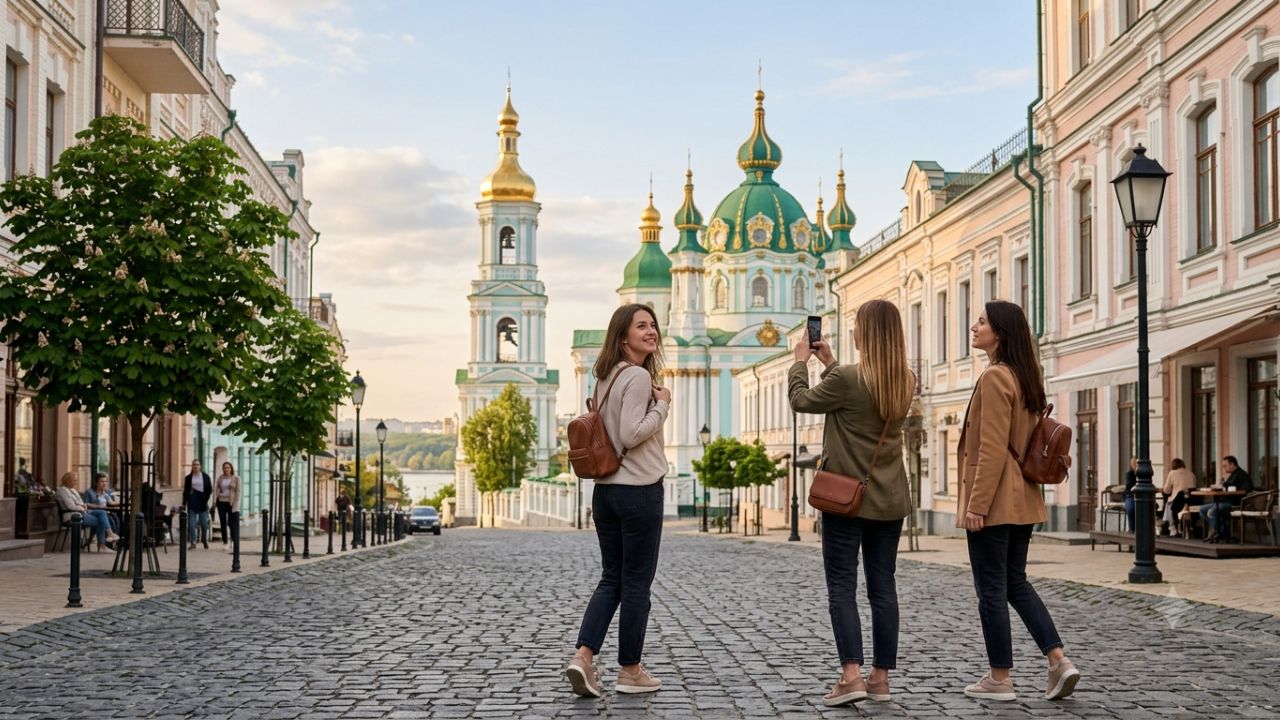
Image generated by AI
Ukraine's capital city of Kyiv is positioning its UNESCO World Heritage monuments—including Kyiv Pechersk Lavra and Saint Sophia Cathedral—as central drivers for long-term tourism recovery. Strategic cross-border partnerships across Turkey, Moldova, Poland, and Israel are shaping new heritage travel corridors as international restoration initiatives address a $3.5 billion cultural damage assessment.
[KYIV, Ukraine] — Ukraine’s capital city is showcasing its UNESCO World Heritage landmarks, medieval architecture, and historic urban corridors to spearhead long-term tourism recovery across Eastern Europe. Official evaluations conducted by UNESCO estimate physical damage to Ukraine’s cultural and tourism infrastructure at $3.5 billion, underscoring the urgency of heritage preservation as regional source markets—including Turkey, Moldova, Poland, and Israel—prepare to reconnect with Kyiv's historic travel sector.
The State Agency for Tourism Development of Ukraine is directing strategic recovery efforts toward preserving historic architecture, enhancing destination appeal, and establishing sustainable cultural tourism products along the Dnipro River.
Historical Landmarks Anchor Kyiv's Cultural Tourism Gateway
Kyiv represents Ukraine's primary cultural travel identity, featuring medieval Orthodox architecture, cobblestone art corridors, and historic trading districts along the Dnipro River. The capital integrates historic monasteries, museums, creative precincts, and regional culinary traditions into a cohesive urban travel experience.
Five core landmarks define Kyiv’s tourism potential:
- Kyiv Pechersk Lavra: Founded in the 11th century, this UNESCO World Heritage monastery complex features golden domes, historic churches, and extensive subterranean cave networks containing centuries of sacral history.
- Saint Sophia Cathedral: A medieval architectural monument celebrated for its 11th-century Byzantine mosaics, detailed frescoes, and structural significance.
- Andriivskyi Descent: A historic cobblestone street connecting Upper Town to Podil, lined with art galleries, artisan workshops, and architectural landmarks.
- Podil District: A historic merchant neighborhood recognized for independent cafés, local trading plazas, and cultural lifestyle spaces.
- Dnipro River Precinct: Urban waterfront promenades, river parks, and scenic island trails supporting outdoor city recreation and boat sightseeing.
| Kyiv Tourism Asset | Tourism Importance | Visitor Experience |
|---|---|---|
| Kyiv Pechersk Lavra | UNESCO World Heritage Site | Religious and heritage tourism |
| Saint Sophia Cathedral | Historic medieval monument | Architecture and cultural exploration |
| Podil District | Historic urban neighbourhood | Food, cafés and local lifestyle |
| Andriivskyi Descent | Cultural landmark | Walking tours and arts |
| Dnipro River | Natural city attraction | Recreation and sightseeing |
Turkey Drives Demand for Accessible European Heritage City Breaks
Turkey represents one of Ukraine's established international travel partners, supported by geographical proximity, commercial ties, and shared maritime links across the Black Sea. As Kyiv strengthens its appeal as a European city-break destination, Turkish travelers can explore sacral architecture, religious monuments, and urban heritage distinct from Western European capitals.
For Turkish visitors, Kyiv provides short-distance European city break opportunities. The combination of historic churches, museums, dining spaces, and architectural landmarks creates strong potential for short holidays, educational journeys, and cultural exchanges.
| Turkey–Ukraine Tourism Connection | Travel Opportunity |
|---|---|
| Cultural tourism | Kyiv heritage landmarks and museums |
| City breaks | Short European urban holidays |
| Business travel | Commercial and regional connections |
| Gastronomy tourism | Ukrainian cuisine and modern restaurants |
| Heritage travel | Historic churches and monuments |
Moldova Expands Cross-Border Urban Travel into Kyiv
As an immediate southwestern neighbor, Moldova maintains strong geographical links with Ukraine, establishing a direct channel for cross-border tourism. Moldovan travelers access Kyiv through regional highway and rail corridors, reaching an accessible European capital rich in medieval architecture and contemporary urban culture.
Kyiv presents Moldovan tourists with an expanded urban escape, combining centuries-old monuments with active riverbank leisure zones, craft markets, and museum networks ideal for weekend city breaks.
| Moldova–Kyiv Tourism Opportunity | Visitor Attraction |
|---|---|
| Regional mobility | Convenient neighbouring destination |
| Cultural tourism | Churches, museums and heritage sites |
| Weekend travel | Short city-break experiences |
| Urban exploration | Cafés, markets and neighbourhoods |
| Educational tourism | History and architecture |
Poland Operates as Major European Gateway to Ukrainian Heritage
Poland serves as Ukraine's primary western travel corridor due to extensive land border connections, shared history, and established transit networks. As travel connectivity stabilizes across Central Europe, Poland remains positioned to act as an international transit bridge for European travelers journeying into Ukraine.
Polish visitors retain deep cultural interest in Kyiv's architectural history, UNESCO World Heritage sites, and traditional arts corridors along Andriivskyi Descent. Modern rail and road connections support heritage travel, academic exchanges, and regional economic partnerships.
| Poland–Ukraine Tourism Link | Potential Impact |
|---|---|
| Border proximity | Supports regional travel |
| Cultural connections | Encourages heritage tourism |
| Transport links | Improves destination access |
| City breaks | Expands European travel choices |
| Business travel | Strengthens economic connections |
Israel Reconnects with Kyiv's Religious and Sacred Architecture
Israel represents a high-volume heritage tourism market for Ukraine, driven by deep historical links, sacral sites, and ancestral connections across Eastern Europe. Kyiv offers Israeli visitors extensive religious tourism itineraries centered around historic Orthodox cathedrals, monastic complexes, and heritage museums.
Beyond religious pilgrimages, Israeli tourists engage with Kyiv's urban dining, historic merchant quarters in Podil, and riverfront leisure parks, blending historical reflection with modern European hospitality.
| Israel–Kyiv Tourism Segment | Attraction |
|---|---|
| Religious tourism | Historic religious sites |
| Heritage travel | Medieval architecture |
| Cultural tourism | Museums and exhibitions |
| City tourism | Restaurants and urban experiences |
| Educational travel | Historical connections |
Tourism Regeneration Drives Broader Economic Recovery Across Kyiv
The recovery of tourism in Kyiv extends beyond visitor statistics, creating direct economic momentum across hospitality providers, dining establishments, public transport systems, cultural institutions, and local retail vendors. National tourism authorities emphasize that physical heritage preservation is directly linked to regional economic resilience.
UNESCO estimates that repairing physical damage across Ukraine's cultural assets requires over $3.5 billion in international grant funding and restoration investments. Rebuilding international traveler confidence and maintaining structural safeguards at key monuments remain essential to restoring destination stability.
| Tourism Sector | Kyiv Recovery Impact |
|---|---|
| Hotels | Increased accommodation demand |
| Restaurants | Growth in visitor spending |
| Museums | Heritage preservation support |
| Transport | Improved visitor mobility |
| Local businesses | Employment and economic activity |
Strategic Impact Analysis & 2026 Tourism Horizon
Kyiv's long-term tourism trajectory relies on leveraging its UNESCO World Heritage status to build a sustainable, high-value cultural destination. By integrating 11th-century monastic complexes like Kyiv Pechersk Lavra with modern riverside leisure infrastructure, municipal planners are establishing a durable tourism framework capable of attracting regional and international markets.
Cross-border alignment with neighboring source markets—specifically Turkey, Moldova, Poland, and Israel—ensures a diversified visitor base across city breaks, heritage travel, and business trips. As physical restoration proceeds under UNESCO guidelines, Kyiv is positioned to redefine its role as a premier historic capital in Eastern Europe.
Why This Matters: Experienced Perspective for Travelers and Industry Leaders
For the traveler, Kyiv's focus on UNESCO heritage preservation guarantees authentic access to landmark medieval monuments, sacred Byzantine mosaics at Saint Sophia Cathedral, and preserved artisan quarters along Andriivskyi Descent. Regional connectivity across Poland, Moldova, and Turkey simplifies travel planning for visitors seeking meaningful European cultural city breaks.
For tourism operators and municipal planners, rebuilding Kyiv's travel economy acts as a catalyst for broader municipal stability. Directing visitor spending into local hotels, craft markets in Podil, and public transport networks supports community employment while funding ongoing conservation across Ukraine's $3.5 billion cultural infrastructure recovery effort.
Frequently Asked Questions
What are the main UNESCO World Heritage sites in Kyiv?
Kyiv's primary UNESCO World Heritage landmarks include the 11th-century Kyiv Pechersk Lavra (Monastery of the Caves) and Saint Sophia Cathedral, famous for its Byzantine mosaics and medieval frescoes.
What is the estimated damage to Ukraine's cultural and tourism sector?
Official evaluations conducted by UNESCO estimate total physical damage to Ukraine's cultural and tourism assets at $3.5 billion, highlighting the ongoing scale of required heritage restoration.
Related Travel Guides
This article is for informational purposes. Flight routes, passenger regulations, visa rules, and transit advisories are subject to change by airlines and aviation authorities. Readers are advised to verify schedules and travel documentation with relevant carriers and border agencies before departure.
Related Stories
Vietnam and Poland Expand Tourism Ties: New Visa-Free Rules and Direct Warsaw-Hanoi Flights for 2027

Samarkand Marathon 2026: Uzbekistan Attracts 1,500 Athletes from 63 Nations for Sports Tourism