
Kuressaare Airport Closure 2026: Baltic Air Links Under Strain as Estonia Shuts Gateway to Saaremaa
The temporary closure of Kuressaare Airport in 2026 disrupts critical air links between Estonia and Finland, forcing thousands of passengers toward ferry routes during a period of record-breaking Baltic travel growth.

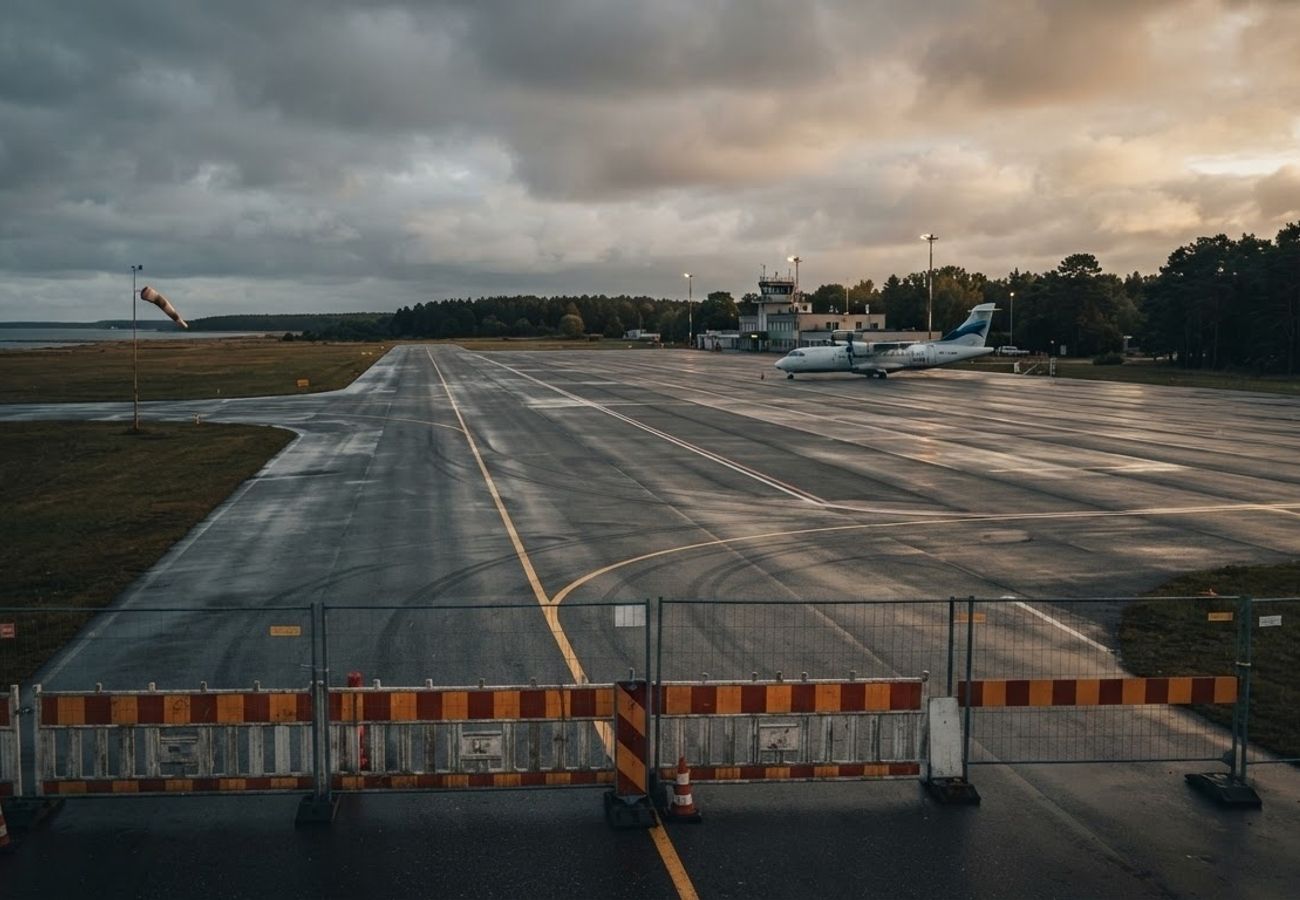
Image generated by AI
The temporary closure of Kuressaare Airport in 2026 is creating a capacity shock for Estonia’s aviation network, jeopardizing seasonal links between Finland and the Baltic islands during a record-growth cycle.
Infrastructure Shutdown Amid Record Passenger Volumes
The decision to temporarily close Kuressaare Airport for essential infrastructure modernization coincides with an unprecedented surge in Baltic air travel. According to Statistics Estonia, Tallinn Airport handled nearly 3.5 million passengers in 2025, contributing to a national all-time high of over 3.5 million air travelers across all regional hubs.
For 2026, industry forecasts indicate passenger numbers at Tallinn Airport will climb toward 3.7 million. The removal of Kuressaare—the primary gateway to Saaremaa—from the active network introduces a significant vulnerability into a system already operating near peak capacity.
While the closure is intended to improve long-term safety and reliability, the timing removes a critical domestic lifeline and several emerging international connections.
Flight and Airport Impact Breakdown
Our analysis of current flight tracking and operator schedules reveals the following disruptions:
- Helsinki (HEL) to Kuressaare (KRS): Route-tracking data for mid-2026 shows zero active scheduled flights. This eliminates the seasonal link previously marketed by Finnair to connect international travelers directly to Saaremaa.
- Tallinn (TLL) to Kuressaare (KRS): The core domestic air bridge is suspended, forcing business and high-end leisure travelers to rely on slower surface transport.
- Helsinki Hub Strategy: The loss of this route undermines Finavia’s strategy to position Helsinki as a diversified transfer hub for Northern Europe, specifically affecting those using Helsinki as a gateway from long-haul flights into Estonia.
- Alternative Transit Load: Displaced air traffic is shifting to the Port of Tallinn. In 2025, the Tallinn-Helsinki ferry route handled over 7 million passengers; this volume is expected to increase further in 2026 as air capacity drops.
Passenger Rights and Advisory
For the affected passenger, the closure of a regional airport due to "infrastructure work" typically falls under operational changes rather than an "extraordinary circumstance" if the airline fails to provide timely alternatives.
Our analysis of aviation policy suggests the following for travelers:
- Rebooking Rights: Passengers with existing bookings for Kuressaare should be proactively re-routed. If an airline cancels a flight due to the airport closure, they are generally required to offer a full refund or an alternative transport method (such as a ferry voucher or bus transfer) to the final destination.
- EU261/2004 Implications: While airport closures for scheduled maintenance are often planned, passengers should check if their flight was cancelled with less than 14 days' notice. If the airline failed to notify the passenger in time, compensation claims may be viable, depending on the specific terms of the airport's closure notice.
- Travel Time Adjustments: Passengers should account for significantly longer transit times. The shift from a short flight to a combination of ferry and road travel to Saaremaa can add several hours to an itinerary.
- Documentation: Keep all records of original flight bookings and subsequent correspondence with airlines to ensure eligibility for any applicable refunds or duty-of-care expenses.
Industry Analyst View
The Kuressaare shutdown serves as an informal stress test for Estonia’s regional aviation strategy. By forcing passengers toward maritime and road corridors, the Estonian government is effectively measuring the resilience of its multi-modal transport system.
There is an ongoing policy debate regarding the funding of state-owned regional airports. While Tallinn dominates the traffic, regional airports collectively serve nearly 100,000 passengers annually. The shift toward remote air traffic control towers—already being trialed in Kuressaare—indicates a push for digitalization to lower costs.
If the tourism sector and local businesses in Saaremaa experience a sharp decline during this closure, it will likely trigger a renewed push for increased investment in regional aviation resilience. Conversely, if the ferry system absorbs the shock seamlessly, it may lead to a leaner, more centralized air network in the future.
The Baltic travel corridor remains highly integrated; the failure of one node, however small, reverberates across the entire Gulf of Finland network.
Related Travel Guides
Disclaimer
This article is for informational and educational purposes only. It does not constitute legal, financial, or professional advice. While we strive to provide accurate and up-to-date information, travel policies, regulations, and conditions change rapidly. Always verify information with official sources before making travel decisions. Nomad Lawyer makes no representations about the accuracy, reliability, completeness, or suitability of the information provided. Readers should consult qualified professionals for advice specific to their circumstances. The views expressed in this article are those of the author and do not necessarily reflect the views of Nomad Lawyer.
Preeti Gunjan
Contributor & Community Manager
A passionate traveller and community builder. Preeti helps grow the Nomad Lawyer community, fostering engagement and bringing the reader experience to life.
Learn more about our team →