
Los Angeles Film Tourism Surge 2026: Inbound Travel Growth and Economic Impact Analysis
Los Angeles and emerging US production hubs are leveraging 'set-jetting' trends to drive international arrivals, with California travel spending exceeding 150 billion dollars in 2024.

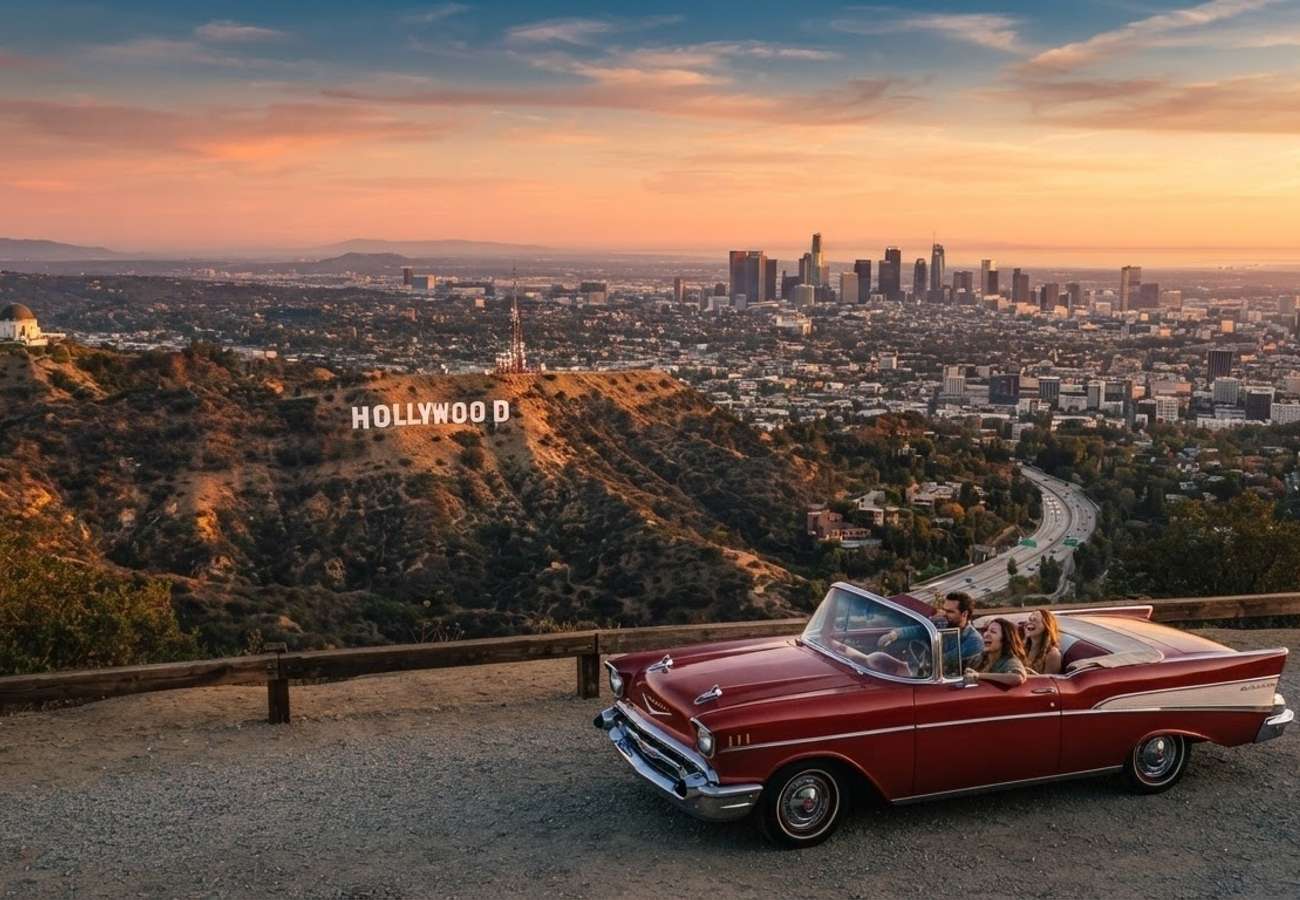
Image generated by AI
Los Angeles is spearheading a massive surge in "set-jetting" as international visitors increasingly choose destinations based on film and television appearances. This shift is driving record-breaking inbound traffic and significant economic gains across California and emerging production hubs.
The Rise of Screen-Driven Tourism in Los Angeles
Los Angeles is currently converting its global screen visibility into measurable growth in international visitor arrivals. Recent city tourism briefings indicate that the region is meeting or exceeding pre-pandemic records for both visitor volume and total spending.
Our analysis shows that the rebound is heavily linked to a renewed global interest in visiting specific filming locations, ranging from studio backlots in Burbank and the San Fernando Valley to iconic landmarks like the Griffith Observatory and the Hollywood sign.
Economic data for 2024 underscores the scale of this impact. California state tourism researchers report that travel spending across the state surpassed 150 billion dollars, with Los Angeles County serving as a primary engine for this financial growth.
Impact Breakdown: Key Hubs and Attractions
The disruption of traditional tourism patterns is evident as visitors move away from generic sightseeing toward curated, production-based itineraries.
- Primary Los Angeles Magnets: The Hollywood sign area, Walk of Fame, and historic Downtown theaters.
- Studio Hubs: Increased foot traffic in Burbank and the San Fernando Valley.
- Emerging US Production Cities:
- Albuquerque, New Mexico: Rapid growth in location tours and themed experiences linked to high-profile series.
- Wilmington, North Carolina: Increased demand for guided walks and festivals tied to streaming hits and teen dramas.
- International Trends: U.S. Department of Commerce (National Travel and Tourism Office) 2024 data confirms that while New York remains the top draw, Los Angeles, Miami, and Orlando are capturing larger shares of inbound leisure traffic.
Passenger Advisory: Navigating the "Set-Jetting" Boom
For the affected traveler, the surge in film-driven tourism means higher congestion at specific landmarks and potential challenges with local infrastructure. To ensure a seamless experience, passengers should consider the following:
Transportation and Access Our analysis of city planning documents suggests that residential areas near the Hollywood sign are experiencing extreme parking pressure. Travelers should avoid private vehicle rentals in these zones and instead utilize official city shuttles or designated viewing areas to avoid fines or traffic gridlock.
Booking and Spending Because film tourists represent a higher-value market segment, themed accommodations and guided studio tours are seeing rapid sell-outs. We advise booking "set-jetting" itineraries at least 60 to 90 days in advance.
Rights and Recourse While film tourism is a leisure activity, travelers arriving via international flights should be aware of their rights regarding disruptions:
- Flight Delays/Cancellations: For flights departing from EU/UK airports to LAX, passengers are protected under EU261/2004 or UK261, which may entitle them to compensation for significant delays.
- US DOT Guidelines: Passengers on US-based carriers are entitled to refunds for significantly changed flights, regardless of the reason for the disruption.
Industry Analyst View: The Sustainability Challenge
The transition of film locations into permanent tourism assets creates a tension between economic gain and community viability. In Los Angeles, the influx of visitors into narrow residential streets has prompted city agencies to explore timed entry and digital crowd-dispersal tools.
From a strategic perspective, cities like Albuquerque and Wilmington are demonstrating that investing in production infrastructure provides a dual benefit: it attracts the film industry and creates a long-term, year-round tourism stream that is less dependent on traditional seasonal peaks.
The long-term success of this model depends on the ability of municipal governments to balance "screen fame" with the quality of life for local residents. The shift toward "neighborhood tourism"—spreading visitors into lesser-known districts—is the most viable path to sustainable growth.
The era of the generic city break is ending, replaced by a targeted quest for cinematic authenticity.
Related Travel Guides
Disclaimer
This article is for informational and educational purposes only. It does not constitute legal, financial, or professional advice. While we strive to provide accurate and up-to-date information, travel policies, regulations, and conditions change rapidly. Always verify information with official sources before making travel decisions. Nomad Lawyer makes no representations about the accuracy, reliability, completeness, or suitability of the information provided. Readers should consult qualified professionals for advice specific to their circumstances. The views expressed in this article are those of the author and do not necessarily reflect the views of Nomad Lawyer.
Preeti Gunjan
Contributor & Community Manager
A passionate traveller and community builder. Preeti helps grow the Nomad Lawyer community, fostering engagement and bringing the reader experience to life.
Learn more about our team →