
Kolkata Metro Infrastructure Boom Begins with 130 km Expansion
Kolkata Metro plans a massive network expansion to 130 km in 2026, boosting passenger transit capacity and upgrading digital ticketing systems.

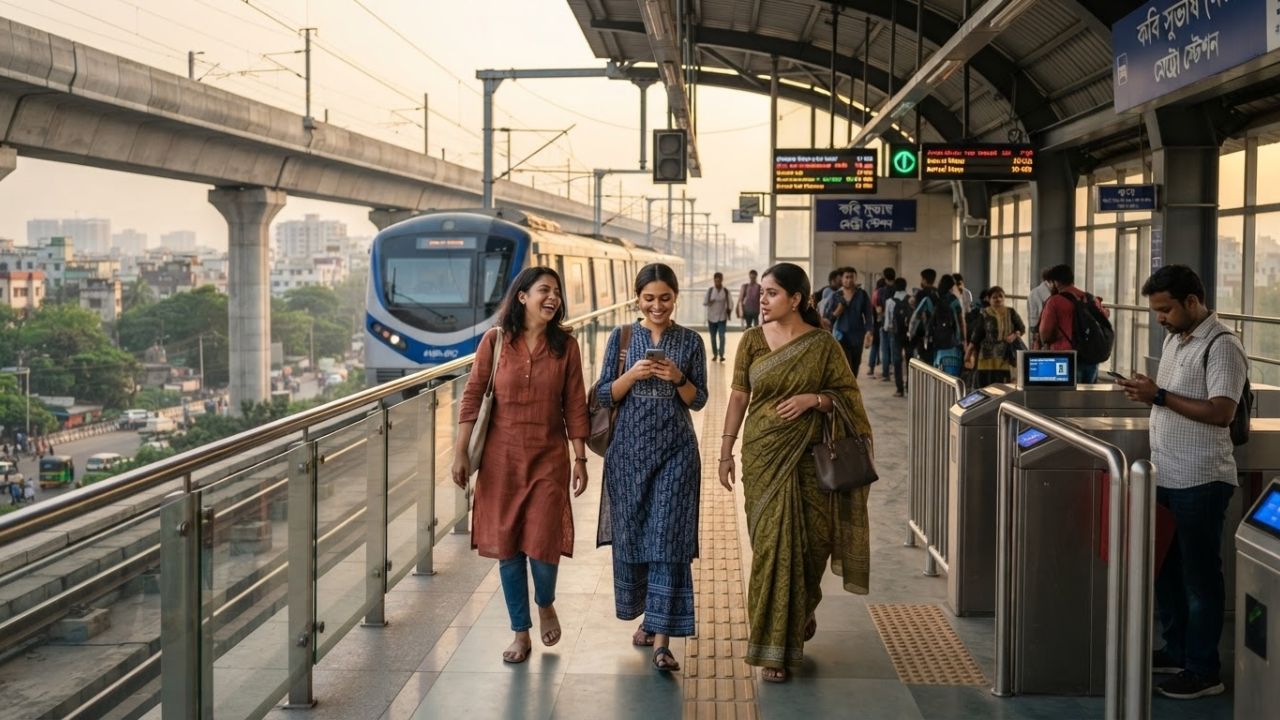
Image generated by AI
Kolkata Metro Railway is preparing for an ambitious infrastructure boom, expanding its rapid transit network to nearly 130 km to transform urban travel across West Bengal's capital. Having transported 23.60 crore passengers during the 2025-26 financial year, the network is incorporating advanced digital payment systems to handle growing passenger demand.
The Strategic Scale of the Kolkata Metro Expansion
The urban transportation sector in India is experiencing a transition as metropolitan regions upgrade their rapid transit infrastructure. The Kolkata Metro Railway is initiating an expansion program designed to extend its existing routes to nearly 130 km in the coming years. This network development represents a significant step in the city's transport layout, improving connectivity between residential areas, corporate parks, and historic commercial centers.
By establishing these seasonal travel corridors, the airline's management aims to support both business and leisure travel flows. Corporate travelers and travel agencies, which maintain strong relationships with global destination management organizations, benefit from direct seat capacity. This economic integration supports the travel sector, providing service providers with a reliable channel for high-value bookings.
By establishing these seasonal travel corridors, the airline's management aims to support both business and leisure travel flows. Canadian corporate travelers and travel agencies, which maintain strong relationships with European and Asian destination management organizations, would benefit from direct seat capacity. This economic integration supports the travel sector, providing service providers with a reliable channel for high-value bookings.
This rapid transit expansion addresses the daily travel needs of Kolkata's growing population. An expanded rail network provides commuters with dependable transit alternatives while reducing vehicular traffic on historic streets. By upgrading corridor capacity, the metro system strengthens its role as a key driver of sustainable urban mobility across West Bengal.
Passenger Traffic Trends and Financial Performance
The Kolkata Metro has become a primary component of the daily commute, offering a fast and reliable alternative to road-based transport.
This localized culinary focus also offers a unique opportunity for restaurant associations and culinary schools to design programs suited for premium travelers. By monitoring passenger dining preferences during long stays, local chefs can provide customized dishes to ensure guest satisfaction. This proactive approach helps build traveler confidence, ensuring that Canadian urban dining remains competitive with global culinary standards.
During the 2025-26 financial year, the metro network transported 23.60 crore passengers, reflecting high traveler reliance on the system. This commuter volume has supported the network's financial growth, with the metro system generating Rs 166 crore in revenue between April and July 2026. This represents a 34 percent increase in comparison to the revenue recorded during the same period in the previous year.
This revenue growth provides funding for ongoing development programs, including station modernization, safety enhancements, track maintenance, and technology integration. By maintaining strong financial performance, the railway can continue to invest in passenger services, supporting regional economic activity.
Digital Innovations: The Smart Transit Experience
Modernizing Kolkata's transit system involves integrating digital tools to simplify ticketing and reduce passenger waiting times at stations.
This localized disruption also offers a unique opportunity for duty-free retailers and terminal operators to design services suited for stranded passengers. By monitoring passenger comfort levels during long delays, airport customer teams can provide complimentary amenities to ensure guest satisfaction. This proactive approach helps build traveler confidence, ensuring that regional transit routes remain competitive with global hub standards.
This localized disruption also offers a unique opportunity for duty-free retailers and terminal operators to design services suited for stranded passengers. By monitoring passenger comfort levels during long delays, airport customer teams can provide complimentary amenities to ensure guest satisfaction. This proactive approach helps build traveler confidence, ensuring that regional transit routes remain competitive with global hub standards.
Commuters are increasingly using digital payment channels to buy travel tokens, purchase smart cards, and generate QR-code tickets. The introduction of online smart card recharge portals allows passengers to manage their balances remotely, reducing queues at physical ticket counters.
Additionally, the official 'Aamar Kolkata Metro' mobile application provides users with real-time transit information, routes, and mobile ticketing options, supporting a more efficient travel experience across the expanded network.
Heritage and Community Value along the Tracks
As India's oldest rapid transit network, inaugurated in 1984, the Kolkata Metro holds historical and cultural significance for the city's residents.
This environmental focus is supported by regional climatologists and conservationists who monitor ecosystem health. By tracking tourist footprint signals, managers can ensure that natural areas remain protected. The integration of carrying-capacity policies with wilderness trails demonstrates how tourism planning can protect biodiversity while offering high-quality educational hikes.
This environmental focus is supported by regional climatologists and conservationists who monitor ecosystem health. By tracking tourist footprint signals, managers can ensure that natural areas remain protected. The integration of carrying-capacity policies with wilderness trails demonstrates how tourism planning can protect biodiversity while offering high-quality educational hikes.
A key engineering highlight of the network is the East-West corridor, which includes a under-river tunnel crossing. The rail line runs through a tunnel positioned 13 meters below the Hooghly riverbed, connecting Howrah Station with the main city area. This under-river crossing represents a milestone in regional engineering, linking historic heritage sites, business districts, and transit hubs.
Visitor Guide: Metro Routes, Smart Cards, and Street Food Pitstops
Navigating the Kolkata Metro involves understanding station connections, utilizing digital ticketing apps, and exploring local culinary spots near major terminals. By planning ahead, travelers can enjoy a comfortable journey through the city.
By establishing these seasonal travel corridors, the airline's management aims to support both business and leisure travel flows. Canadian corporate travelers and travel agencies, which maintain strong relationships with European and Asian destination management organizations, would benefit from direct seat capacity. This economic integration supports the travel sector, providing service providers with a reliable channel for high-value bookings.
Sample traditional culinary specialties near key stations. At Park Street station, visit Kusum Rolls or Hot Kathi Roll to try authentic kathi rolls, featuring fried parathas wrapped around spiced fillings. Enjoy a classic meal of Chelo Kebab at Peter Cat, or visit the historic Flurys tea room for pastries. Near Rabindra Sadan station, try phuchkas, Kolkata's spiced-water pani puri, from local street vendors around the Academy of Fine Arts.
Download the 'Aamar Kolkata Metro' smartphone application before your trip. Use the app to generate QR-based entry tickets and check route maps. If staying in the city for several days, buy a rechargeable smart card at any station counter to avoid purchasing individual tokens for each trip.
Plan your travel times to avoid peak hours. The metro can experience high passenger volumes during morning and evening commute periods. Travel mid-day to enjoy a more comfortable ride, and allow extra time when transferring between different rail lines.
Future Outlook: Building a Resilient East-West Corridor
The long-term development of rapid transit in West Bengal depends on integrating regional rail expansion with sustainable urban planning. The Kolkata Metro Railway and local municipal transport corporations are collaborating to expand route networks.
Sustainable initiatives include building energy-efficient station terminals, implementing solar energy grids at above-ground platforms, and establishing electric shuttle bus links at terminal gates to support last-mile connectivity. By combining modern transit design with sustainable infrastructure management, Kolkata aims to build a resilient public transport network, protecting regional resources while supporting urban travel.
Related Travel Guides
Disclaimer
This article is for informational and educational purposes only. It does not constitute legal, financial, or professional advice. While we strive to provide accurate and up-to-date information, travel policies, regulations, and conditions change rapidly. Always verify information with official sources before making travel decisions. Nomad Lawyer makes no representations about the accuracy, reliability, completeness, or suitability of the information provided. Readers should consult qualified professionals for advice specific to their circumstances. The views expressed in this article are those of the author and do not necessarily reflect the views of Nomad Lawyer.
Raushan Kumar
Founder & Lead Developer
Full-stack developer with 11+ years of experience and a passionate traveller. Raushan built Nomad Lawyer from the ground up with a vision to create the best travel and law experience on the web.
Learn more about our team →