
Kittitas and Somervell Counties Lead US Shift Toward Regional Destination Management Organizations in 2026
US counties are increasingly adopting regional Destination Management Organization (DMO) models, utilizing hotel tax pass-throughs and per-capita assessments to drive multi-million dollar tourism investments.

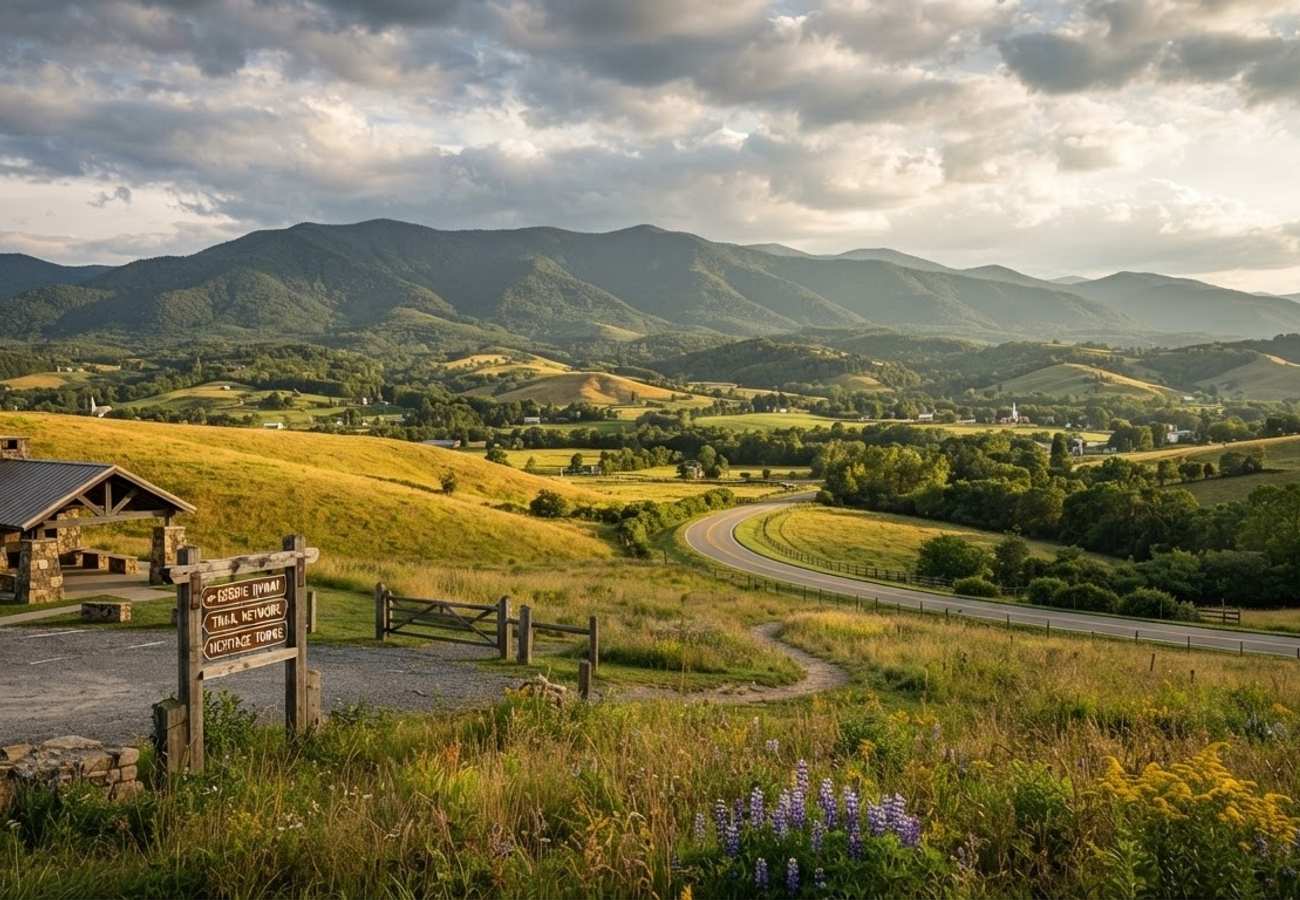
Image generated by AI
Across the United States, local governments are pivoting toward strategic regional partnerships to safeguard economic growth, with counties like Kittitas and Somervell increasingly relying on Destination Management Organizations (DMOs) to scale tourism. By merging public resources with private-sector agility, these jurisdictions are moving away from isolated marketing efforts toward integrated, multi-jurisdictional infrastructure projects.
The shift represents a fundamental change in how rural and semi-rural areas approach visitor economies. Rather than competing for the same pool of travelers, neighboring counties are now pooling financial resources to create seamless travel corridors. In Kittitas County, for instance, commissions are leveraging local hotel tax revenues to fund projects that span multiple jurisdictions, ensuring that the economic benefits of tourism are distributed across a wider geographic area. Similarly, civic leaders in St. Paul are coordinating across municipal lines to finance comprehensive, long-term master plans that would be unaffordable for a single town.
Direct Funding Mechanisms for Regional Tourism Bodies
County governments are utilizing three primary financial channels to sustain these regional tourism entities: dedicated hotel tax pass-throughs, per-capita membership assessments, and coordinated capital grants.
The most sustainable of these is the formal interlocal agreement, where county boards automatically route a specific percentage of lodging taxes to an independent regional DMO. This mechanism is vital because it removes tourism funding from the volatility of annual political budget cycles, allowing DMOs to execute long-term strategies without the fear of sudden appropriation cuts.
In areas where the hotel density is too low to generate significant tax revenue, commissioners often opt for per-capita fees drawn from general revenues. These contributions provide a baseline of operational stability, ensuring that essential services—such as asset mapping, visitor research, and basic hospitality services—remain active regardless of seasonal fluctuations in hotel occupancy. This collaborative governance model also reduces administrative overhead, as multiple counties share the cost of a single management entity rather than each maintaining a separate, less efficient marketing office.
The Rise of Per-Capita Assessment Models in Rural Zones
For many rural jurisdictions, the "transient lodging tax" (TLT) is an insufficient revenue stream because there simply aren't enough hotel rooms to fund a sophisticated economic strategy. To bridge this gap, a per-capita membership model has gained traction, where member municipalities contribute a fixed rate based on their resident population.
A clear benchmark for this approach is seen in Western Canada with Travel Lakeland. This organization utilizes a foundational 30-cent per-capita assessment across its member municipalities. To push forward an aggressive destination development plan, the entity recently sought an additional 70-cent per-capita contribution from the County of St. Paul for the 2027 and 2028 fiscal years.
This temporary levy provides a predictable cash flow during the critical early stages of planning. By shifting the perspective from "marketing spend" to "destination stewardship," municipal leaders are treating these modest per-resident contributions as investments that unlock significantly larger sums of public and private capital.
Leveraging Hotel Tax Pass-Throughs for Permanent Infrastructure
In regions with robust short-term rental and hotel markets, the focus shifts toward statutory frameworks that automate the flow of funds. In Washington State, for example, RCW 67.28 provides the legal basis for counties to direct tax receipts into dedicated regional tourism funds.
Modern DMOs are moving beyond the traditional "brochure and ad" model. Instead of spending exclusively on digital marketing, they are allocating capital toward permanent physical assets that improve the visitor experience and benefit local residents. These include:
- Multi-use trailheads and directional signage.
- Public restroom facilities and visitor orientation centers.
- Environmental stewardship programs to protect natural assets.
- Traffic management studies to alleviate congestion on rural scenic routes.
By utilizing the pass-through model, the financial burden of maintaining these services is shifted from the local taxpayer to the visiting tourist. This ensures that road maintenance and waste management upgrades remain fiscally sustainable over several decades.
Unlocking Government Grants Through Multi-County Coalitions
One of the most significant advantages of the DMO model is the ability to meet the strict matching requirements of state and federal grants. Many high-tier economic development grants require a dollar-for-dollar local match, a threshold that a single small county often cannot meet.
By pooling municipal dues and lodging taxes into a centralized budget, multi-county coalitions create a formidable capital base. This allows them to apply for larger grants that deliver higher returns on investment. A prime example is Travel Lakeland, which secured $183,000 in provincial Northern Regional Economic Development funding. By matching this internally, they produced a foundational study valued at $366,000.
This aggregated approach also eliminates wasteful inter-municipal competition. Instead of two neighboring counties fighting for the same visitor, they jointly promote "travel loops" that encourage tourists to stay longer and spend more across the entire region.
The Travel Lakeland Blueprint for North American Tourism
The strategy employed by Travel Lakeland serves as a scalable model for rural counties across both the US and Canada. Spanning more than 30 municipalities, the DMO's 20-year Destination Development Plan is designed to attract between $500 million and $550 million in regional tourism investment.
The organization's methodology involved cataloging over 1,800 local attractions to identify seven primary economic hubs, including:
- St. Paul
- Lac La Biche
- Cold Lake
- Vegreville
A key priority for the St. Paul hub is the expansion of visitor accommodations and agritourism along the 300-kilometre Iron Horse Trail. By aligning municipal infrastructure needs with private investment targets, the DMO creates a resilient economic ecosystem that helps rural areas retain local talent and secure long-term prosperity.
Why This Matters: The Shift to Destination Stewardship
For the traveler, this shift means a noticeable improvement in the quality of rural trips. Instead of encountering fragmented signage or lacking basic facilities, visitors will experience cohesive "tourism corridors" with professional infrastructure.
From a legal and logistical standpoint, the move toward DMOs represents a professionalization of rural governance. By utilizing statutory frameworks like Washington's RCW 67.28, counties are creating "firewalled" funding streams that protect tourism budgets from political whims. For the local business owner, this means more consistent foot traffic and a regional brand that is stronger than any single town could build on its own. The transition from "promotion" to "stewardship" ensures that tourism grows in a way that enhances, rather than degrades, the local quality of life.
Rural economic resilience is no longer about the loudest marketing campaign, but about the strongest regional coalition.
Related Travel Guides
Disclaimer
This article is for informational and educational purposes only. It does not constitute legal, financial, or professional advice. While we strive to provide accurate and up-to-date information, travel policies, regulations, and conditions change rapidly. Always verify information with official sources before making travel decisions. Nomad Lawyer makes no representations about the accuracy, reliability, completeness, or suitability of the information provided. Readers should consult qualified professionals for advice specific to their circumstances. The views expressed in this article are those of the author and do not necessarily reflect the views of Nomad Lawyer.
Preeti Gunjan
Contributor & Community Manager
A passionate traveller and community builder. Preeti helps grow the Nomad Lawyer community, fostering engagement and bringing the reader experience to life.
Learn more about our team →