
Kiribati Expands Specialist Tourism with Saltwater Fly-Fishing and WWII Heritage Tours in 2026
Kiribati is diversifying its tourism portfolio by launching high-value specialist offerings, including saltwater fly-fishing in Kiritimati, WWII heritage circuits in South Tarawa, and conservation-led scientific diving in the Phoenix Islands Protected Area.

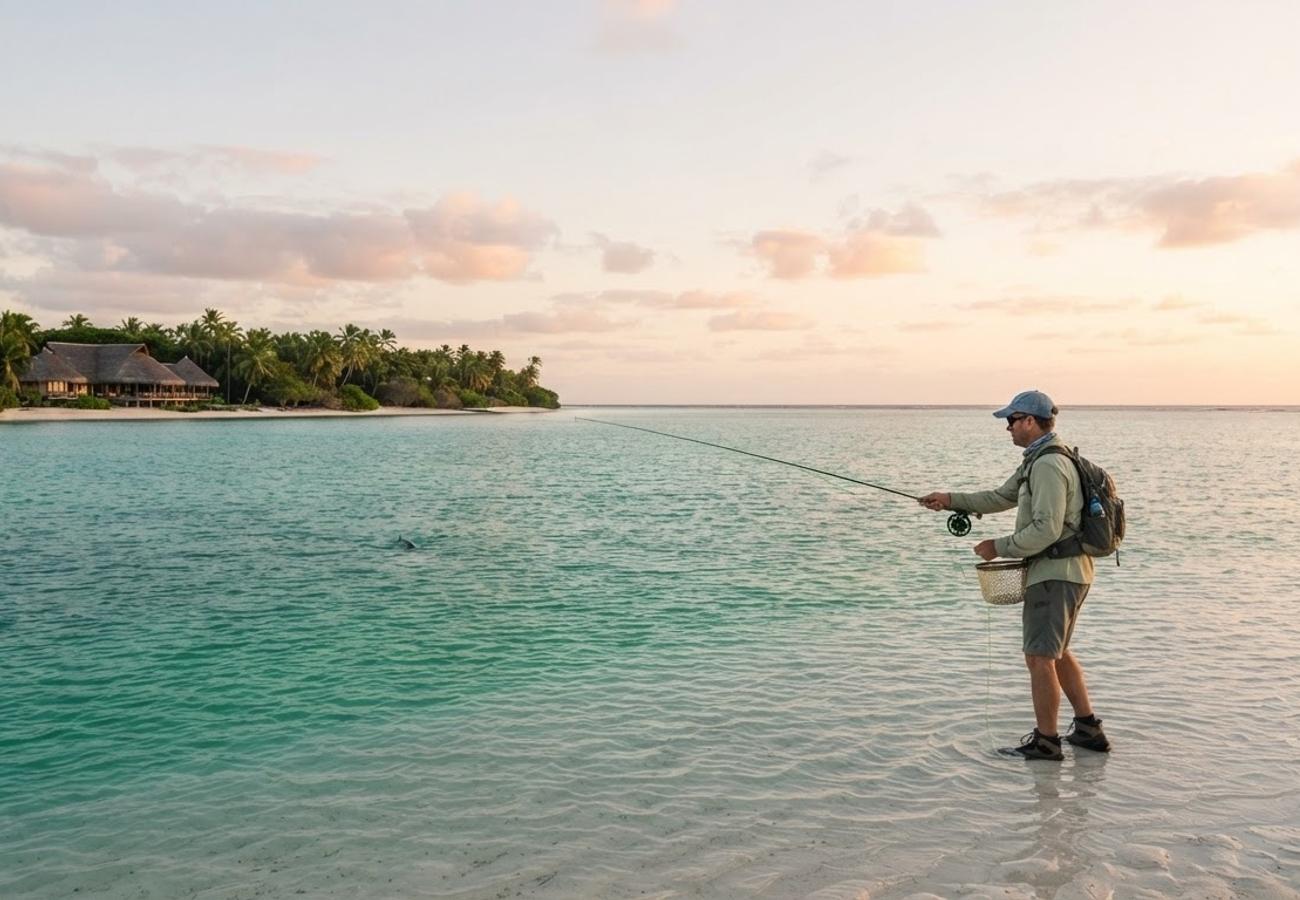
Image generated by AI
Kiribati is pivoting toward a high-value, low-impact tourism model by integrating specialist saltwater angling, military history circuits, and scientific marine expeditions.
Strategic Diversification of the Kiribati Tourism Sector
Kiribati is moving beyond traditional beach tourism to establish a niche market based on its unique geographical and historical assets. By focusing on three distinct pillars—specialist angling, WWII heritage, and marine conservation—the nation is targeting high-spend, purpose-driven travelers.
Our analysis indicates that this strategy aims to minimize environmental pressure on the fragile atolls while maximizing the economic yield per visitor.
Specialist Angling in Kiritimati
Kiritimati (Christmas Island) has established itself as a primary hub for international saltwater fly-fishing. The island's extensive saltwater flats and lagoon systems provide a specific environment for targeted species.
- Target Species: Primary focus is on bonefish and giant trevally.
- Fishing Modalities: Extensive use of catch-and-release protocols to ensure ecosystem stability.
- Expedition Types: Itineraries now split between shallow flats fishing and deep-sea pelagic fishing tours.
- Operational Model: Travel is primarily managed through organized operators and professional guides to ensure remote locations are accessed sustainably.
WWII Heritage and Military Tourism in South Tarawa
The western end of South Tarawa, specifically Betio, is being developed into a historical circuit centered on the Battle of Tarawa. This segment targets military historians and archaeology enthusiasts.
- Shore-Based Tours: Guided trails connecting surviving bunkers and coastal defensive installations.
- Underwater Heritage: Specialized diving tours to explore wartime wreckage and submerged military assets.
- Integrated Circuits: The development of "land-to-sea" itineraries that connect surface ruins with underwater sites.
Conservation-Led Tourism in PIPA
The Phoenix Islands Protected Area (PIPA), one of the largest marine protected areas in the Pacific, is implementing a strict conservation-led tourism framework.
- Expedition Cruising: Low-impact, high-value cruises designed to limit human presence in sensitive coral ecosystems.
- Scientific Diving: Programs that allow visitors to participate in marine research and biodiversity monitoring.
- Sustainability Protocols: All activities are governed by strict environmental mandates to prevent disturbance to the marine habitat.
Passenger Rights & Advisory for Specialist Travel
For passengers booking these niche experiences in Kiribati, the remote nature of the destination introduces specific legal and logistical considerations.
Travel Insurance and Evacuation Because Kiritimati and the Phoenix Islands are extremely remote, our analysis suggests that standard travel insurance is insufficient. Passengers should ensure their policy specifically covers "Emergency Medical Evacuation" from remote Pacific islands.
Environmental Compliance and Fines Visitors to PIPA are subject to strict marine protection laws. For the affected traveler, this means that any deviation from guided paths or unauthorized collection of marine samples can result in significant fines or immediate deportation under national environmental statutes.
Rebooking and Logistics Flight connectivity to Kiribati is often limited. In the event of a flight cancellation, passengers should refer to their carrier's contract of carriage. While EU261/2004 may apply if the flight departs from an EU airport, travel within the Pacific is generally governed by the Montreal Convention, which limits liability for delays but ensures compensation for lost or damaged baggage.
The shift toward "specialist tourism" is a calculated move to avoid the pitfalls of mass tourism, which often degrades the very environments that attract visitors. By focusing on the "high-value, low-volume" model, Kiribati is positioning itself as a destination for the "conscious traveler."
The integration of scientific diving and catch-and-release fishing indicates a trend where tourism is used as a funding mechanism for conservation. This model is likely to be replicated across other Small Island Developing States (SIDS) in the Pacific to combat the effects of climate change and over-tourism.
Navigating the intersection of luxury, history, and ecology in the remote Pacific.
Related Travel Guides
Disclaimer
This article is for informational and educational purposes only. It does not constitute legal, financial, or professional advice. While we strive to provide accurate and up-to-date information, travel policies, regulations, and conditions change rapidly. Always verify information with official sources before making travel decisions. Nomad Lawyer makes no representations about the accuracy, reliability, completeness, or suitability of the information provided. Readers should consult qualified professionals for advice specific to their circumstances. The views expressed in this article are those of the author and do not necessarily reflect the views of Nomad Lawyer.
Preeti Gunjan
Contributor & Community Manager
A passionate traveller and community builder. Preeti helps grow the Nomad Lawyer community, fostering engagement and bringing the reader experience to life.
Learn more about our team →