
Kimpton Tres Ríos Expands Riviera Maya Luxury Sector with 326-Acre Nature-Integrated Resort in 2026
Kimpton Tres Ríos is redefining the Mexican Caribbean luxury market by integrating 355 high-end suites within a 326-acre private nature park, signaling a shift toward biodiversity-centric tourism in the Riviera Maya.

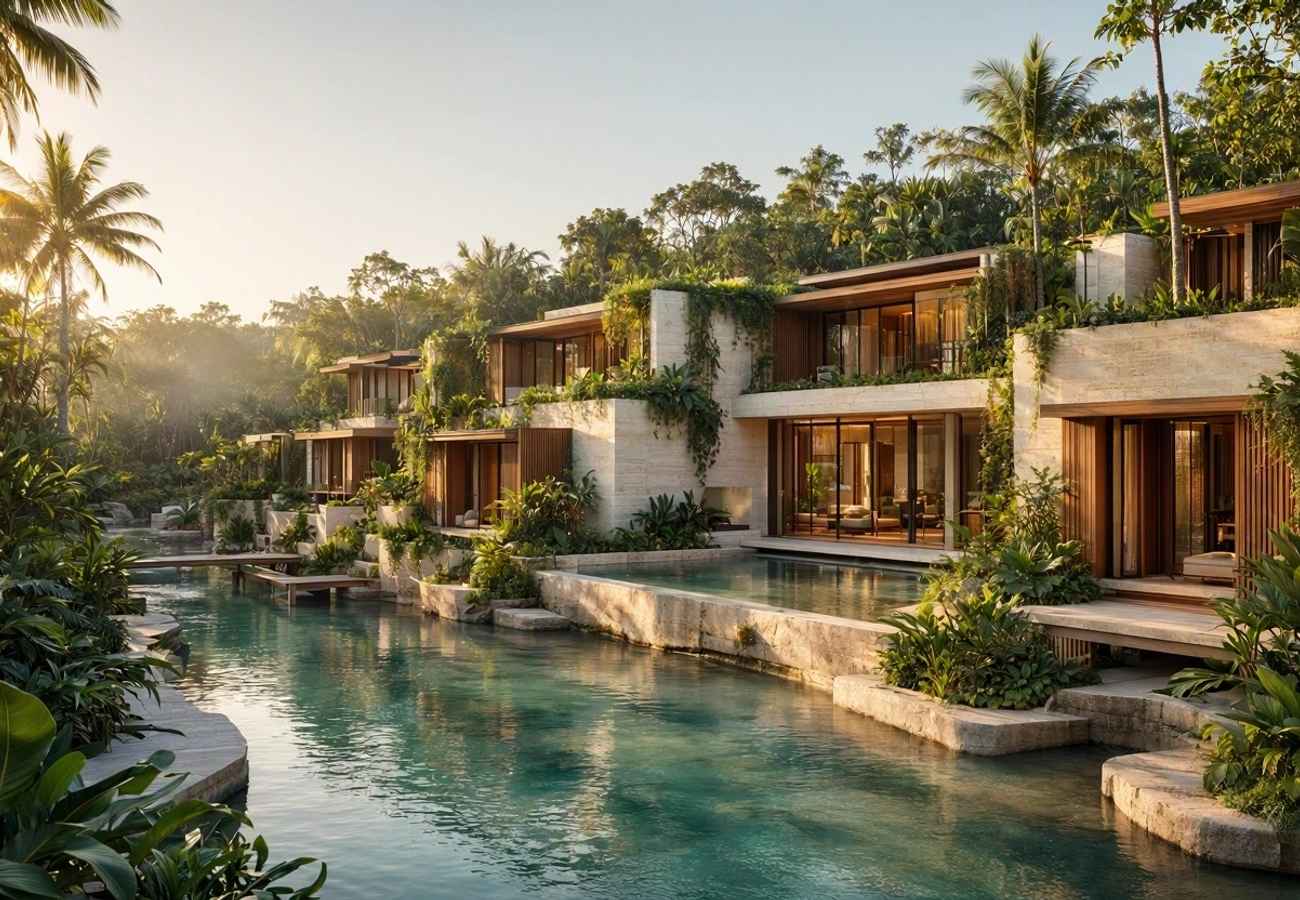
Image generated by AI
Luxury hospitality in the Mexican Caribbean is shifting from traditional beachfront density to expansive, nature-integrated estates, as evidenced by the launch of Kimpton Tres Ríos. While standard luxury resorts in the region often prioritize pool-to-beach ratios, this property allocates a staggering 326 acres to a private nature park, creating a new benchmark for "biodiversity-centric" luxury in the Riviera Maya.
The Nature-Integrated Model in Numbers
The scale of Kimpton Tres Ríos indicates a strategic move toward "low-density, high-value" tourism. By integrating 355 rooms and suites into a massive protected landscape, the resort minimizes the feeling of overcrowding common in all-inclusive hubs. The property's primary value proposition is its unique hydrology: three freshwater rivers intersect the land before emptying into the Caribbean Sea.
Data regarding the resort's ecological assets shows a commitment to conservation-led tourism:
- Land Mass: 326 acres of private nature park.
- Biodiversity: Approximately 120 plant species and 90 animal species documented on-site.
- Geological Assets: 10 natural cenotes (6 available for guided excursions, 1 specifically for swimming and snorkeling).
- Wildlife Presence: Documented sightings of spider monkeys, iguanas, and coatimundis.
This approach aligns with broader trends reported by the World Tourism Organization (UNWTO), which highlight an increasing global demand for sustainable and nature-based travel experiences over traditional mass-tourism models.
Comparative Market Context: Luxury All-Inclusive Shifts
The Riviera Maya has historically been dominated by large-scale resorts with high room counts and limited acreage per guest. The Kimpton Tres Ríos model represents a pivot toward "Eco-Luxury," where the environment is the primary amenity rather than a backdrop.
The following table compares the traditional luxury resort model against the emerging nature-integrated model seen at Kimpton Tres Ríos.
| Feature | Traditional Riviera Maya Luxury | Kimpton Tres Ríos Model |
|---|---|---|
| Primary Focus | Beachfront & Pool Access | Ecosystem Integration (Rivers/Forests) |
| Land Use | High-density construction | 326-acre protected nature park |
| Water Activities | Ocean swimming & infinity pools | Cenote exploration & river kayaking |
| Dining Scale | 2-4 themed restaurants | 7 international restaurants + 5 bars |
| Wellness Approach | Indoor Spa/Gym | Sunrise Yoga & Moonlit Sound Baths |
This diversification of the hospitality product is a response to the evolving preferences of high-net-worth travelers who now seek "transformative" experiences. According to data trends from STR, properties that offer unique, non-replicable natural assets typically command higher Average Daily Rates (ADR) and maintain stronger occupancy during shoulder seasons.
What This Means for Travelers
For the modern nomad or luxury traveler, the data suggests a change in how to plan trips to the Mexican Caribbean. The rise of integrated nature resorts means travelers no longer need to choose between an all-inclusive luxury stay and rugged ecological exploration.
Actionable Booking Advice:
- Suite Selection: With 355 rooms including one-, two-, and three-bedroom suites, the resort is optimized for multigenerational travel. If traveling with a group, prioritize the connecting-room configurations to maintain proximity without sacrificing privacy.
- Activity Timing: Because the resort offers specialized events like sunrise yoga and moonlit sound baths, guests should schedule their "wellness window" during the first 48 hours of their stay to maximize the psychological shift from city life to nature.
- Dining Strategy: With seven distinct venues—including Bacetto (Italian), Kotori (Japanese), El Carnal (Steakhouse), and De La Calle (Mexican street food)—there is little need for off-site dining. This reduces transit time and increases the value of the all-inclusive package.
- Family Logistics: For those with children aged 4-12, the Club Aventuras and the on-site water park provide a structured environment, allowing adults to utilize the Kej Spa or guided nature walks without childcare concerns.
Forward Projection: The Rise of the "Private Reserve" Resort
The trajectory of Kimpton Tres Ríos suggests that the next phase of luxury in Mexico will be the "Private Reserve" concept. We expect to see more carriers and hotel groups investing in properties that function as private biological reserves. This shift is driven by the scarcity of untouched land in the Yucatán Peninsula.
As more resorts incorporate protected wildlife and geological features (like cenotes), the competitive edge will move from "room luxury" (gold fixtures and high thread counts) to "access luxury" (exclusive entry to rare ecosystems). We project that properties with documented biodiversity counts will see a 15-20% increase in appeal among Gen Z and Millennial luxury travelers over the next three years.
FAQ: Kimpton Tres Ríos 2026
Is this resort better for couples or families? The data shows it caters to both. Couples can utilize the moonlit sound baths and adult-centric dining, while families benefit from the 3-bedroom suites, Club Aventuras, and the dedicated children's water park.
What makes the cenotes here different from public ones? Unlike public cenotes that require external transport and crowds, Kimpton Tres Ríos has 10 on-property, with 6 accessible via guided excursions, providing a private, secure, and curated experience.
Does the all-inclusive plan cover the nature excursions? Typically, guided nature walks and cenote visits are integrated into the resort's experience program, though specific high-end wellness rituals at the Kej Spa may require additional fees.
Which dining option is best for authentic local flavor? De La Calle is specifically designed to mirror the vibrant street food culture of Mexico, making it the most authentic local culinary experience on the property.
The era of the sterile beach resort is ending; the era of the ecological sanctuary has arrived.
Related Travel Guides
Disclaimer
This article is for informational and educational purposes only. It does not constitute legal, financial, or professional advice. While we strive to provide accurate and up-to-date information, travel policies, regulations, and conditions change rapidly. Always verify information with official sources before making travel decisions. Nomad Lawyer makes no representations about the accuracy, reliability, completeness, or suitability of the information provided. Readers should consult qualified professionals for advice specific to their circumstances. The views expressed in this article are those of the author and do not necessarily reflect the views of Nomad Lawyer.
Kunal K Choudhary
Co-Founder & Contributor
A passionate traveller and tech enthusiast. Kunal contributes to the vision and growth of Nomad Lawyer, bringing fresh perspectives and driving the community forward.
Learn more about our team →