
Kerala Targets Arab Travel Expansion to Drive Significant Tourism and Economic Growth
Kerala launches a strategic campaign to attract 300,000 more Arab travelers over five years, leveraging wellness tourism and new trade partnerships.

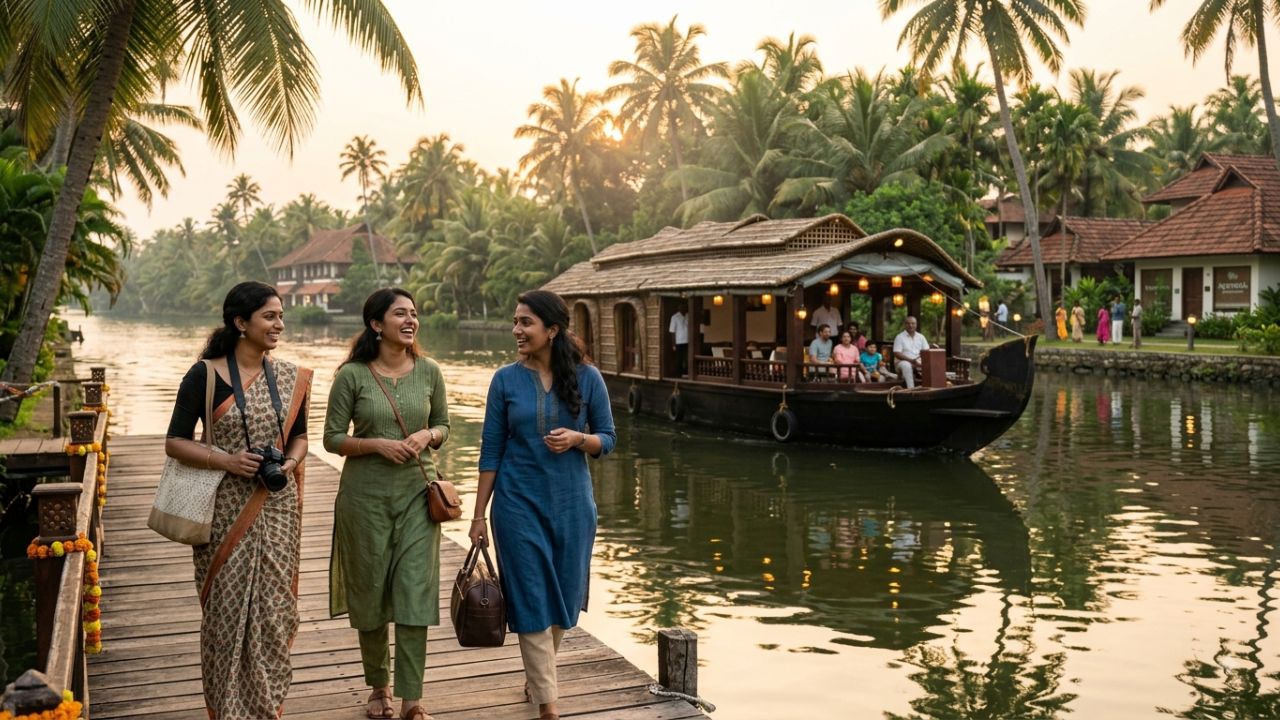
Image generated by AI
Kerala has launched a major tourism expansion drive targeting 300,000 additional Arab travelers over the next five years, aiming to generate over Rs 25,000 crore in economic activity through premium wellness and family-focused itineraries.
The tourism framework in southern India is establishing stronger connections with international travel networks to diversify its visitor base. A primary milestone in this effort is Indo-Arab Connect 2026, a major travel trade summit scheduled to take place in Kochi from August 31 to September 2, 2026. The three-day event will bring together over 175 travel agents and tour operators representing 11 countries in the Gulf and West Asian regions. Kochi, with its historic spice trading port, serves as the perfect historical backdrop for this modern connection.
By offering a direct business-to-business (B2B) platform, the summit allows more than 150 Indian hospitality organizations, wellness resorts, and tour companies to showcase Kerala's travel products. For the visitor, the real impact is the creation of specialized, high-end travel packages designed to simplify flight connections, luxury lodging bookings, and custom excursions. Following the main summit, delegates will participate in a nine-day familiarization tour from September 2 to September 9, 2026, exploring key destinations to evaluate local hospitality standards firsthand, ensuring quality service.
High-Value Demographics: The Premium Focus on West Asian Families
The campaign is designed to target high-spending Arab families from traditional Gulf markets, including Saudi Arabia, Oman, and the United Arab Emirates, while expanding outreach to newer source countries like Egypt, Jordan, and Iran. Unlike budget-focused individual travelers, family groups from these regions tend to choose premium accommodations, book extended stays, and spend more on local dining, shopping, and curated heritage tours.
By focusing on this demographic, the Kerala Tourism Department aims to increase average visitor spending. This high-value focus will help support the wider local economy, distributing earnings across transport providers, artisans, retail markets, and hospitality employees. The long-standing cultural and trade connections between Kerala and the Arab world, coupled with the large Malayali diaspora living in the Gulf, provide a solid foundation of trust and familiarity that makes the state a natural choice for West Asian travelers.
Seasonal Opportunities: Monsoon Alignments and Off-Peak Occupancies
A key strategic benefit of the Arab tourist segment is its timing. Many travelers from the Gulf region plan their visits to Kerala between June and September, a period that coincides with the local monsoon season. While this is traditionally a quieter, off-peak period for domestic leisure travel due to the rains, it represents a peak travel window for Arab visitors who travel to experience the cool weather, lush greenery, and flowing rivers.
Furthermore, this wet season aligns with the traditional Karkidaka month, which is considered the ideal time for Ayurvedic rejuvenation therapies as the humid atmosphere helps body pores open, making them more receptive to herbal oils. By promoting monsoon tourism to these markets, hotels and resorts can maintain stable occupancy levels throughout the year. This seasonal alignment helps prevent fluctuations in tourism revenue and provides stable, year-round employment opportunities for workers in the hospitality, wellness, and transport sectors, strengthening the state's economic resilience.
Promoting Wellness, Nature, and Traditional Healing Systems
Wellness tourism forms a major pillar of Kerala's campaign. The state is promoting its traditional Ayurveda systems, showcasing certified sanitariums and resorts that offer authentic wellness treatments, detoxification therapies, and stress-relief programs under the guidance of qualified practitioners. This focus on natural healing aligns well with the growing international demand for health-focused retreats.
Alongside wellness, the campaign highlights the state's diverse natural terrains:
- The Munnar Hill Stations: Known for tea plantations, misty valleys, and trekking paths.
- The Kumarakom and Alappuzha Backwaters: Famous for quiet canal networks and luxury houseboats.
- The Kovalam Beaches: Offering premium coastal resorts and wellness facilities.
- The Wayand Forests: Providing under-the-radar wilderness lodges and eco-adventures.
Environmental Stewardship and Sustainable Houseboat Operations
As international visitor numbers grow, preserving the state's delicate ecosystems is essential. Houseboat operations in Alappuzha and Kumarakom are adopting stricter environmental regulations, including installing bio-sewage treatment tanks and reducing plastic usage on board.
In partnership with local district tourism promotion councils, operators are encouraging travelers to participate in community-first tourism. This includes visiting local farming villages, purchasing traditional crafts directly from artisans, and supporting regional restaurants. These practices help ensure that tourism growth does not compromise the natural assets of the backwaters or the livelihoods of the communities living along the canals. The local village panchayats and self-help groups work in coordination with the Department of Tourism to promote responsible travel that respects both local residents and the natural environment.
Destination Expert Insider Tips for Kerala Travel
To help travelers experience the natural wonders, culinary traditions, and cultural heritage of Kerala safely and responsibly, local destination specialists recommend the following insider tips:
- Book Munnar’s Kolukkumalai Jeep Safari Early: Visit Kolukkumalai, the home of the world’s highest organic tea plantation. The site is accessible only by 4x4 rugged jeeps from Suryanelli. The best time to visit is during the post-monsoon shoulder season from September to October, when the hills are exceptionally green.
- Respect Houseboat Etiquette on the Backwaters: While cruising the backwaters of Alappuzha or Kumarakom, choose houseboats certified by the Department of Tourism. Avoid playing loud music to maintain the peace of the wetlands and show respect for the local communities. Note that all houseboats must dock by 5:30 pm according to local environmental rules.
- Savor Karimeen Pollichathu: Try the local culinary specialty, Karimeen Pollichathu. This dish features fresh Pearl Spot fish (native to the backwaters) marinated in traditional spices, wrapped in a banana leaf, and roasted to infuse the herbal aromas of the leaf into the meat. Pair it with steamed red rice or flaky Malabar parotta.
- Dress Modestly When Visiting Communities: While Kerala is highly welcoming, dressing modestly with covered shoulders and knees is appreciated when visiting rural villages, temples, and historic sites.
- Plan Around Monsoon Rain Patterns: If visiting during the monsoon months from June to September, carry high-quality waterproof gear and follow safety warnings from local authorities, as heavy rainfall can occasionally disrupt transport networks in hilly tracts.
Long-Term Outlook for Kerala’s Global Inbound Tourism
The long-term outlook for Kerala's tourism sector is positive, supported by the state's focus on premium, experience-based travel and sustainable tourism management. By targeting high-value niche markets rather than focusing solely on mass arrivals, the state is building a resilient, eco-friendly tourism model. This is supported by green transport initiatives, such as the introduction of solar-powered commuter ferries in the backwaters and electric vehicle charging points along major tourist corridors.
Collaborating with international operators through events like Indo-Arab Connect 2026 helps establish Kerala as a leading global destination for wellness and nature escapes. Ongoing investments in green energy, sustainable waste management in tourist areas, and heritage preservation will ensure that the state remains a clean, welcoming, and culturally rich destination for travelers from around the world, fostering partnerships that protect both the economy and local ecology.
Related Travel Guides
Disclaimer
This article is for informational and educational purposes only. It does not constitute legal, financial, or professional advice. While we strive to provide accurate and up-to-date information, travel policies, regulations, and conditions change rapidly. Always verify information with official sources before making travel decisions. Nomad Lawyer makes no representations about the accuracy, reliability, completeness, or suitability of the information provided. Readers should consult qualified professionals for advice specific to their circumstances. The views expressed in this article are those of the author and do not necessarily reflect the views of Nomad Lawyer.
Kunal K Choudhary
Co-Founder & Contributor
A passionate traveller and tech enthusiast. Kunal contributes to the vision and growth of Nomad Lawyer, bringing fresh perspectives and driving the community forward.
Learn more about our team →