
Kempinski Hotels acquisition Prague marks 50-year strategic shift 2026
Kempinski Hotels completes its first property acquisition in 50 years with the purchase of Augustine Hotel Prague in 2026. The luxury brand signals a strategic pivot toward direct ownership of heritage landmark properties.

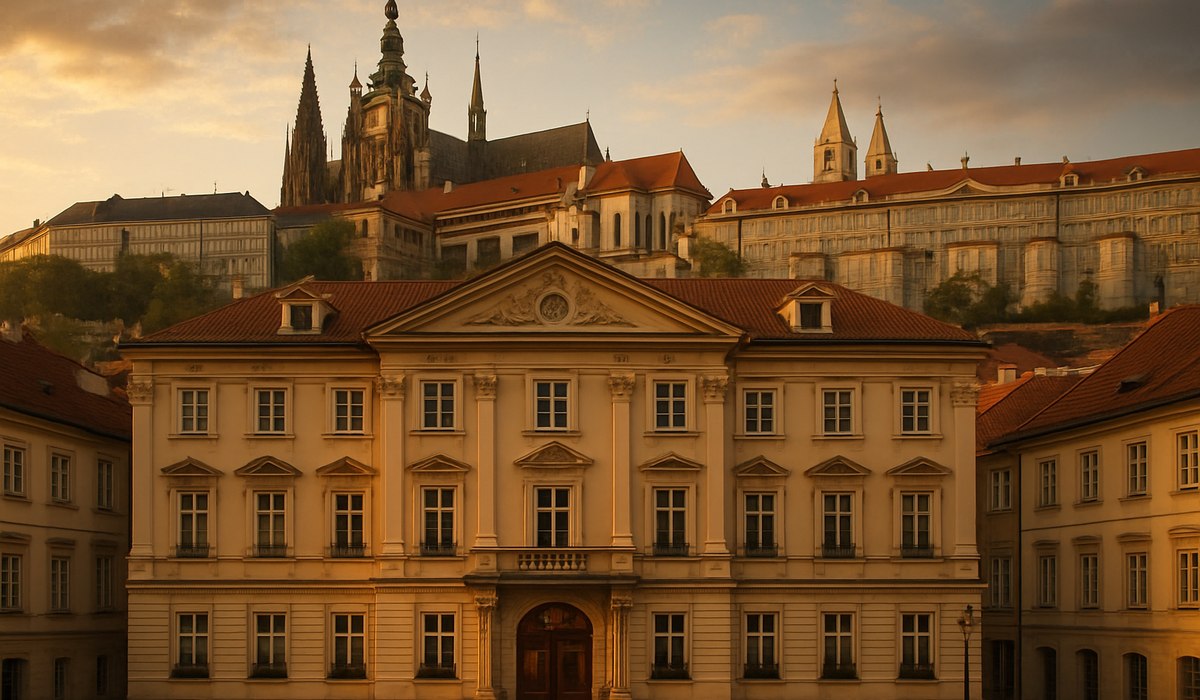
Image generated by AI
Kempinski Hotels Breaks 50-Year Acquisition Drought with Prague Purchase
Kempinski Hotels has acquired Augustine Hotel Prague, marking its first hotel purchase in five decades and signaling a fundamental shift in corporate strategy toward direct asset ownership. The landmark luxury property, nestled in Prague's historic Malá Strana district beneath Prague Castle, becomes the Kempinski Hotels acquisition Prague centerpiece of a newly ambitious portfolio-building initiative. This transaction represents the group's first acquisition since acquiring Hotel Vier Jahreszeiten Kempinski Munich in 1970—a half-century gap that underscores the significance of this strategic recalibration.
The hotel will operate under its current Augustine brand through late 2026, after which comprehensive refurbishment will position it as a flagship Kempinski property. Group CEO Barbara Muckermann describes the move as reflecting the brand's "broader strategic recalibration towards direct investment and ownership of landmark properties to control the guest experience from beginning to end." This philosophical shift demonstrates Kempinski's commitment to transforming how luxury hospitality operates globally.
Strategic Shift Toward Direct Ownership and Heritage Assets
The Kempinski Hotels acquisition Prague exemplifies a broader industry movement toward asset-heavy strategies among ultra-luxury hospitality groups. Rather than relying solely on management agreements, Kempinski now pursues full ownership of properties that embody architectural heritage and cultural significance. This approach grants the brand unprecedented control over design standards, guest experiences, and long-term brand representation.
Kempinski Group Chief Product and Experience Officer Rasha Lababidi emphasizes the transformative potential of direct ownership. "With direct ownership, we can shape that vision with precision, translating our brand seamlessly across every touchpoint of the guest journey," she notes. The strategy acknowledges that heritage properties—particularly those integrated into centuries-old structures—require specialized stewardship that management contracts cannot always provide. By controlling Augustine Hotel Prague directly, Kempinski can execute its ultra-luxury vision without compromise.
The Kempinski Hotels acquisition Prague reflects growing demand among affluent travelers for deeply authentic, culturally embedded luxury experiences. Rather than standardized hotel formats, discerning guests increasingly seek properties with genuine historical narratives and local integration. Heritage asset acquisition directly addresses this preference while simultaneously protecting brand equity through quality assurance.
Augustine Hotel's Historic Significance and Refurbishment Plans
Augustine Hotel Prague occupies extraordinary historical terrain: the walls of the Augustinian Monastery of St. Thomas, a religious community established over 800 years ago. The monastery remains an active Augustinian monastery, creating a unique hybrid environment where ecclesiastical life intertwines with luxury hospitality. This confluence of sacred heritage and contemporary comfort positions Augustine Hotel Prague as an exceptionally rare acquisition opportunity.
The property's location in Lesser Town (Malá Strana), directly beneath Prague Castle and within walking distance of Charles Bridge, enhances its appeal as a top-tier European luxury destination. The neighborhood's Renaissance architecture, winding cobblestone streets, and proximity to Prague's most significant historical landmarks create natural advantages for heritage-focused travelers and culture-conscious visitors.
Kempinski's refurbishment roadmap, launching late 2026, will modernize guest amenities while preserving architectural integrity. The brand intends to introduce curated food-and-beverage offerings, wellness facilities, and immersive cultural programming that celebrate Prague's artistic legacy. This careful balance—respecting monastic heritage while delivering contemporary luxury—defines the post-acquisition transformation strategy.
What This Means for Kempinski's Global Luxury Portfolio
The Kempinski Hotels acquisition Prague catalyzes significant portfolio evolution for the 120-year-old Swiss luxury brand. Rather than pursuing volume-based growth through additional management contracts, Kempinski now emphasizes ownership stakes in properties meeting strict heritage and positioning criteria. This selective, asset-heavy approach may fundamentally reshape competitive dynamics within ultra-luxury hospitality.
CEO Barbara Muckermann frames Augustine Hotel Prague as a "flag bearer for the brand's continued leadership in luxury hospitality." This positioning suggests future acquisitions may similarly target architectural landmarks and culturally significant properties across European and international markets. The strategy reinforces Kempinski's identity as a curator of distinctive, individually-characterful hotels rather than a standardized global chain.
For travelers and investors, this shift signals Kempinski's long-term confidence in premium positioning and heritage-focused luxury. Properties acquired under this framework receive enhanced capital investment, senior management attention, and brand integration—typically resulting in elevated guest experiences compared to management-only arrangements. Nomadic professionals and luxury-focused travelers benefit from properties operated with greater strategic consistency and financial commitment.
What Guests Get
Travelers booking Augustine Hotel Prague post-refurbishment will encounter several competitive advantages through direct Kempinski ownership:
Heritage Immersion: Guest rooms and public spaces integrate 800-year monastery architecture with contemporary luxury design, creating immersive cultural environments unavailable in standardized hotels.
Culinary Excellence: Kempinski's food-and-beverage directors will curate dining programs celebrating Bohemian culinary traditions alongside international gastronomic standards, with privileged access to monastic gardens and historical spaces.
Wellness and Contemplation: Dedicated wellness facilities complement the property's inherent spiritual atmosphere, offering meditation spaces, spa services, and holistic retreat programming within an active monastery.
Concierge Access: Direct Kempinski ownership enables personalized concierge services with institutional knowledge of Prague's cultural calendar, private access to lesser-known attractions, and relationships with local artisans and cultural institutions.
Consistent Standards: Guests benefit from Kempinski's global quality benchmarks while experiencing locally distinctive hospitality—eliminating the compromise often required when management contracts balance corporate standards with local autonomy.
Key Data Table: Augustine Hotel Prague Acquisition Details
| Metric | Detail |
|---|---|
| Property Name | Augustine Hotel Prague |
| Brand Status | Acquired by Kempinski Hotels, 2026 |
| Acquisition Significance | First Kempinski Hotels acquisition in 50 years (since 1970) |
| Historical Context | Augustinian Monastery of St. Thomas (800+ years old) |
| Location | Malá Strana (Lesser Town), beneath Prague Castle |
| Current Operation | White-label hotel (through late 2026) |
| Rebranding Timeline | Late 2026 refurbishment and Kempinski rebranding |
| Strategic Classification | Asset-heavy portfolio strategy; heritage-led acquisition |
| CEO Statement | Barbara Muckermann, Group CEO, Kempinski Hotels |
| Market Position | Top-tier European luxury destination in historic Prague |
What This Means for Travelers
The Kempinski Hotels acquisition Prague creates several practical implications for business travelers, luxury vacationers, and heritage-focused visitors:
-
Enhanced Prague Luxury Options: Prague's ultra-luxury segment gains a distinguished new competitor operating under direct brand ownership, intensifying service standards across the market and creating competitive pricing pressures that benefit travelers.
-
Cultural Authenticity Premium: Guests seeking hotels that genuinely integrate into historic environments will find Augustine Hotel Prague exceptionally positioned—operating within an active monastery creates cultural authenticity that cannot be replicated in modern constructions.
-
Investment in Long-Term Quality: Direct Kempinski ownership implies sustained capital investment in maintenance, staff development, and guest experience enhancement over decades, reducing operational inconsistency risks common in management contracts.
-
Access to Kempinski Loyalty Programs: Guests earning Kempinski preference club status gain concentrated benefits when visiting Prague, potentially enabling suite upgrades and enhanced amenities unavailable through third-party bookings.
-
Predictable Luxury Standards: Travelers familiar with Kempinski properties across Europe will recognize consistent design languages, service protocols, and brand values while
Disclaimer
This article is for informational and educational purposes only. It does not constitute legal, financial, or professional advice. While we strive to provide accurate and up-to-date information, travel policies, regulations, and conditions change rapidly. Always verify information with official sources before making travel decisions. Nomad Lawyer makes no representations about the accuracy, reliability, completeness, or suitability of the information provided. Readers should consult qualified professionals for advice specific to their circumstances. The views expressed in this article are those of the author and do not necessarily reflect the views of Nomad Lawyer.
Kunal K Choudhary
Co-Founder & Contributor
A passionate traveller and tech enthusiast. Kunal contributes to the vision and growth of Nomad Lawyer, bringing fresh perspectives and driving the community forward.
Learn more about our team →