
Inside Ka Haku: Hilton Grand Vacations Debuts 205-Suite Luxury Resort and Japanese Bathhouse in Waikiki

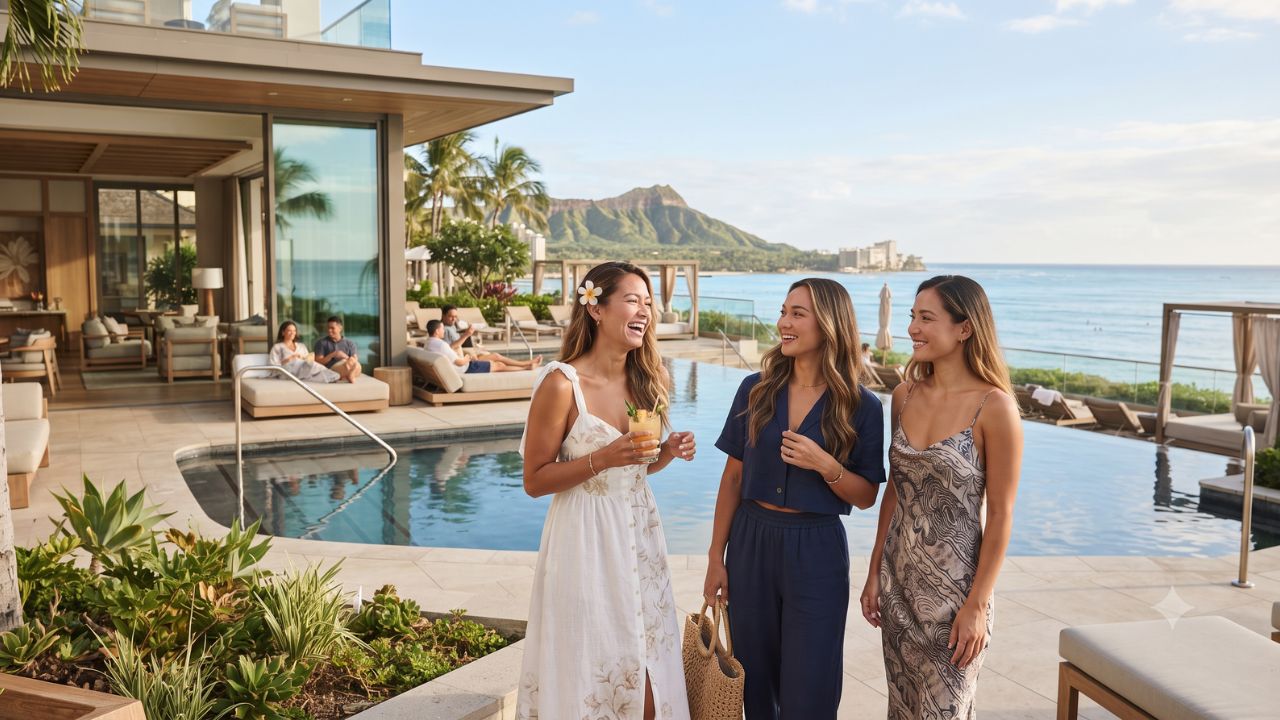
While Waikiki is internationally famous for high-density oceanfront towers, the newly opened 205-suite Ka Haku introduces the neighborhood's first dedicated Japanese-style bathhouse, complete with communal soaking tubs, cold plunge pools, and cedar saunas. Marking the official Hawaiian debut of the boutique Hilton Club brand and celebrating approximately 25 years of Hilton Grand Vacations operations in the islands, the development blends quiet luxury with historic homage to Princess Kaʻiulani alongside a $1 million civic investment into Kūhiō Beach Park.
Situated in the urban center of Waikiki on Oahu, Ka Haku represents the 14th Hawaiian resort within the Hilton Grand Vacations portfolio. The property moves away from ornate, oversized hospitality models in favor of understated architectural lines, energy-efficient building systems, and residential-style comfort. With accommodations spanning spacious studios to three-bedroom family suites overlooking the Pacific Ocean, the Koʻolau Mountains, and the Honolulu skyline, the resort provides an urban retreat within easy walking distance of world-class beaches highlighted by Go Hawaii.
The Arrival of Ka Haku and Hilton Club in Hawaii
The introduction of Ka Haku expands Oahu's high-tier vacation ownership market at a time when travelers are prioritizing wellness, privacy, and local cultural integrity. Within the broader hospitality portfolio, the Hilton Club tier focuses on curated, boutique-scale experiences rather than mass-market timeshare formats.
To support the local economy, the resort's operational launch has created nearly 200 permanent, full-time hospitality positions across guest relations, engineering, wellness therapies, and property management. During its construction phase, the project generated more than 400 local union jobs, contributing to the nearly 1,800 statewide positions supported by Hilton Grand Vacations across the Hawaiian archipelago.
Beyond its own property boundaries, the development partnered with the City and County of Honolulu Department of Parks and Recreation to contribute $1 million directly toward the physical revitalization, safety infrastructure, and ongoing maintenance of Kūhiō Beach Park. In addition, the organization distributed over $200,000 in charitable grants to island non-profits while employee teams logged more than 1,600 volunteer service hours supporting over 30 community organizations.
Ka Haku Resort Features and Facility Matrix
The property balances private owner sanctuaries with extensive wellness amenities:
| Facility / Amenity Area | Specifications & Design Focus | Primary Guest & Community Value |
|---|---|---|
| Resort Accommodations | 205 suites (studios, 1-, 2-, and 3-bedroom) | Ocean, mountain, and urban skyline panoramas |
| Japanese-Style Bathhouse | Communal hot soaking bath, cold plunge, sauna | Waikiki's first authentic Japanese bathing facility |
| Outdoor Aquatic Area | Heated swimming pool, sun deck, pool bar | Relaxed open-air day lounge in central Waikiki |
| Private Owners' Lounge | Dedicated lounge with concierge services | Exclusive retreat space for Ka Haku club members |
| Arrival & Departure Lounge | Private transit lounge with lockers & showers | Accommodates early arrivals and late red-eye flights |
| Fitness & Wellness Studio | State-of-the-art cardiovascular & strength gear | Year-round conditioning and wellness space |
| Civic Beach Investment | $1 million contribution to Kūhiō Beach Park | Upgrades public beachfront safety and amenities |
| Local Employment Scope | Nearly 200 permanent jobs; 400+ construction | Expands career opportunities in urban hospitality |
What Makes Ka Haku and Modern Waikiki Distinct
The design ethos of Ka Haku is rooted in the concept of quiet luxury, drawing historic inspiration from Princess Victoria Kaʻiulani—the beloved heir to the throne of the Kingdom of Hawaii whose historic estate, ʻĀinahau, once flourished in the heart of Waikiki. Documented by historical preservation advocates like the Historic Hawaiʻi Foundation, Kaʻiulani's legacy of grace, cultural diplomacy, and deep connection to nature is subtly woven into the property's art collections, native botanical landscaping, and architectural wood finishes.
The standout feature of the resort is its Japanese-style bathhouse (sentō inspired wellness facility). Recognizing the profound cultural and historical ties between Japan and Hawaii, the bathhouse offers travelers an authentic space for meditative relaxation after long flights across the Pacific. Guests can alternate between the hot communal bath, the therapeutic sauna, and the cold plunge pool, experiencing a traditional bathing ritual that was previously unavailable in Waikiki resort hotels.
Visitor Insider Tips
Experiencing Waikiki through a localized, respectful lens requires knowing where to walk, dine, and unwind:
- Make the Most of the Arrival and Departure Lounge: If your transpacific flight arrives in Honolulu before the standard 16:00 check-in time, or if your return flight departs late at night, utilize Ka Haku's dedicated transit lounge to store luggage, shower, and refresh without booking an extra hotel night.
- Walk Kūhiō Beach at Dawn: Experience the restored pathways of Kūhiō Beach Park between 06:00 and 07:30. You will witness local longboarders paddling out at Queens and Canoes surf breaks while enjoying the calmest ocean conditions of the day.
- Explore Kapahulu Avenue's Food Corridor: Walk ten minutes inland from the resort along Kapahulu Avenue to savor authentic local cuisine. Stop by neighborhood institutions for fresh poke, traditional laulau plates, and hot malasadas dusted in cinnamon sugar.
- Avoid Rental Car Parking Fees in Central Waikiki: Overnight valet parking in Waikiki averages $50 to $65 per day. If you only plan to explore the North Shore or Windward Coast for one day, rent a vehicle from neighborhood rental counters for a single 24-hour window rather than paying multi-day garage fees.
Cultural and Environmental Context
Modern hospitality in Honolulu requires an active commitment to environmental sustainability and community balance. Ka Haku incorporates high-efficiency LED illumination, smart digital climate controls, low-flow water fixtures, and responsibly sourced building materials to reduce resource consumption on Oahu's municipal infrastructure.
Furthermore, direct investment into public shared spaces like Kūhiō Beach Park reflects a growing awareness that tourism development must benefit local residents. By subsidizing public park improvements, supporting marine cleanliness, and honoring indigenous royal history, the property demonstrates how boutique-scale urban resorts can operate in harmony with Waikiki's living community.
FAQ: Staying at Ka Haku Waikiki in 2026
Where is Ka Haku located in Honolulu? Ka Haku is located in central Waikiki on the island of Oahu, within short walking distance of Kūhiō Beach, luxury shopping on Kalākaua Avenue, and local dining.
What types of rooms are available at Ka Haku? The resort offers 205 residential-style units, ranging from studios for couples to expansive one-, two-, and three-bedroom suites with private living areas and full kitchens.
What makes the bathhouse at Ka Haku unique? Ka Haku features Waikiki's first Japanese-style bathhouse, incorporating a communal hot soaking pool, a therapeutic sauna, and a cold plunge bath for wellness and recovery.
How does Hilton Grand Vacations support the local community? HGV contributed $1 million to the revitalization of Kūhiō Beach Park, donated over $200,000 to local non-profits, and supported more than 1,600 employee volunteer hours statewide.
Travelers who look past the surface of Waikiki will find that quiet luxury, rich Hawaiian history, and soothing wellness traditions create an unforgettable urban island retreat.
Related Travel Guides
Disclaimer
This article is for informational and educational purposes only. It does not constitute legal, financial, or professional advice. While we strive to provide accurate and up-to-date information, travel policies, regulations, and conditions change rapidly. Always verify information with official sources before making travel decisions. Nomad Lawyer makes no representations about the accuracy, reliability, completeness, or suitability of the information provided. Readers should consult qualified professionals for advice specific to their circumstances. The views expressed in this article are those of the author and do not necessarily reflect the views of Nomad Lawyer.
Raushan Kumar
Founder & Lead Developer
Full-stack developer with 11+ years of experience and a passionate traveller. Raushan built Nomad Lawyer from the ground up with a vision to create the best travel and law experience on the web.
Learn more about our team →