
Jnane Rumi Marrakesh: The 12-Room Art-Filled Boutique Hotel Redefining Moroccan Luxury in 2026
Jnane Rumi, a newly opened 12-room boutique hotel in Marrakesh, combines contemporary North African art, traditional Moroccan architecture, and private villa suites with pools in a converted 1960s residence.

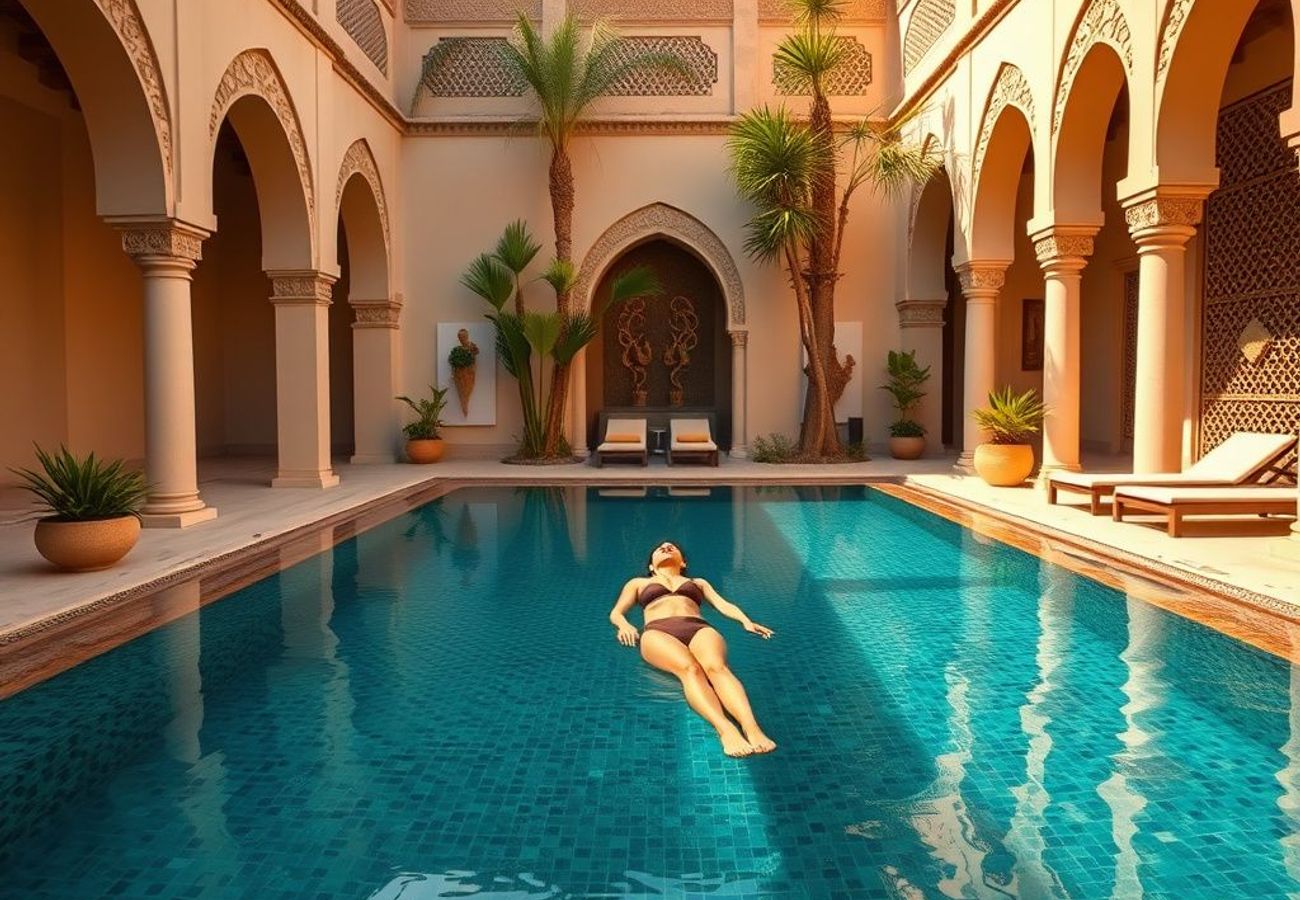
Image generated by AI
A Hidden Sanctuary in Morocco's Most Vibrant City
The thermometer crept toward 100 degrees as I settled into the cool, stone-walled living room at Jnane Rumi. Iced mint tea in hand, a gentle breeze flowing through carved wooden windows—the Marrakesh heat simply vanished. My entire day's agenda consisted of one simple instruction: stay put.
Jnane Rumi opened its doors in April 2025 as a quiet revolution in Moroccan hospitality. While Marrakesh boasts iconic properties like La Mamounia (a Travel + Leisure World's Best Awards hall of famer) and the recently renovated El Fenn, this new 12-room boutique hotel quietly claims its place among the world's finest new hotels. It's the kind of property that doesn't shout—it whispers, and you can't help but listen.
From 1960s Private Residence to Art-Filled Masterpiece
The story behind Jnane Rumi reads like a travel narrative itself. Built in the 1960s by Tunisian architect Charles Boccara, the property spent decades as a private residence before Dutch art lawyer Gert-Jan van den Bergh and his wife Corinne (a somatic therapist and sculptor) reimagined it as a hotel.
The transformation involved enlisting Moroccan artist and creative consultant Samy Snoussi to curate an extraordinary art collection. Walking through the property feels like wandering through a gallery—contemporary North African and European photographs, paintings, frescoes, and drawings blend seamlessly with traditional Moroccan carved-wood ceilings, zellige tilework, and handmade textiles.
Reddit: "The art collection alone makes this worth the visit. Every corner has something that makes you stop and look twice." — r/luxurytravel
Twelve Rooms, Infinite Personality
The hotel comprises seven suites in the main house, four pavilion rooms, and one spectacular annex—each meticulously designed with its own character. Every space features an eclectic curation of contemporary art, antiques, textiles, rugs, and books. These aren't sterile luxury rooms; they're lived-in sanctuaries.
The annex deserves special attention. This standalone villa includes a bedroom with an intricately carved wooden canopy bed, a generous living room, and—the real showstopper—a private swimming pool set within its own garden. My bathroom housed an enormous copper soaking tub and a traditional zellige shower that transported me directly to Morocco's architectural heritage.
Color defines the entire property. Mint-green doors, vermillion walls, and vibrant textiles create an atmosphere of deliberate joy without veering into excess. Rooms come stocked with carefully selected literature: large-format art books, volumes of poetry by Rumi (after whom the hotel is named), and novels abandoned by previous guests—an invitation to slow down.
More Than Accommodation: A Living Philosophy
Jnane Rumi functions as something closer to a private home than a traditional hotel. The main house features multiple dining nooks, shaded terraces, and loggias overlooking extensive gardens. A large pool bordered by swaying palm trees anchors the landscape. Meals arrive wherever you choose: poolside, inside the main house, or on your private terrace.
The grounds themselves tell a story of intentional design. Bougainvillea shrubs, fig trees, and pistachio clusters provide natural shade and fragrance. Stone pathways connect distinct zones, each offering its own rhythm and perspective.
This approach resonates deeply with contemporary luxury travelers. Rather than packing experiences into every hour, Jnane Rumi invites guests to embrace the Moroccan concept of "taking time"—what locals understand intuitively but travelers often forget.
Staff and Service: The Invisible Architecture
What struck me most forcefully wasn't the art or the gardens, but the staff. Predominantly Moroccan, they possess an intuitive understanding of hospitality that transcends training manuals. Service feels genuine—not performative. A cold drink appears exactly when the heat becomes unbearable. Information flows naturally in conversation rather than through forced recommendations.
This authenticity extends throughout the property. The warm welcome transforms guests from visitors into temporary residents. Within hours of arrival, the hotel's rhythms become your rhythms.
Location Strategy: Outskirts Over Center
Jnane Rumi sits deliberately on Marrakesh's outskirts—a strategic choice rather than a limitation. This positioning offers respite from the medina's relentless sensory assault while remaining accessible to the city's attractions. The contrast sharpens the experience: explore the chaos of traditional souks and riads by day, return to serene gardens by evening.
For nomadic professionals and remote workers, this location proves ideal. Strong connectivity (increasingly essential in modern luxury travel) combines with the tranquility required for focused work.
The Art of Intentional Design
What distinguishes Jnane Rumi from countless other boutique hotels is its refusal to compromise vision for commercial appeal. Every design decision serves the property's core philosophy: create spaces that feel like homes inhabited by people with refined taste and cultural depth.
The curated art collection doesn't exist to impress—it exists to inspire contemplation. Books aren't decorative elements; they're invitations to intellectual engagement. Furniture prioritizes comfort over Instagram appeal. This restraint proves increasingly rare in luxury hospitality.
Practical Considerations for Travelers
The hotel maintains commitment to sustainability through thoughtful resource management. Contemporary comforts (modern plumbing, climate control, reliable electricity) coexist with traditional Moroccan elements, never forcing guests to choose between heritage and convenience.
For those concerned about accessibility, the property's multi-level design and varied room types allow flexibility in accommodation selection. The main house suites suit guests preferring proximity to common spaces, while pavilion rooms and the annex offer greater privacy.
The Bottom Line
Jnane Rumi represents a specific vision of hospitality: art, comfort, intentional design, and genuine human connection. It's not a resort—no activities coordinators or planned entertainment. It's not a luxury palace—no marble atriums or competitive status displays.
It's a home, temporarily yours, filled with beautiful things and peaceful spaces. In a travel landscape increasingly dominated by themed experiences and Instagram-optimized destinations, Jnane Rumi offers something rarer: the chance to simply be.
For Marrakesh visitors seeking authentic Moroccan atmosphere combined with sophisticated design and undeniable comfort, this April 2025 arrival has already established itself as essential.
Step off the travel treadmill and into a former residence where every room tells a story, and every garden corner invites reflection.
Related Travel Guides
Disclaimer
This article is for informational and educational purposes only. It does not constitute legal, financial, or professional advice. While we strive to provide accurate and up-to-date information, travel policies, regulations, and conditions change rapidly. Always verify information with official sources before making travel decisions. Nomad Lawyer makes no representations about the accuracy, reliability, completeness, or suitability of the information provided. Readers should consult qualified professionals for advice specific to their circumstances. The views expressed in this article are those of the author and do not necessarily reflect the views of Nomad Lawyer.
Preeti Gunjan
Contributor & Community Manager
A passionate traveller and community builder. Preeti helps grow the Nomad Lawyer community, fostering engagement and bringing the reader experience to life.
Learn more about our team →