
JetBlue Redesigns Booking System and Introduces BlueFirst Class
JetBlue unveils a simplified booking flow separating onboard experiences (Main, EvenMore, BlueFirst, Mint) from fare flexibility options.

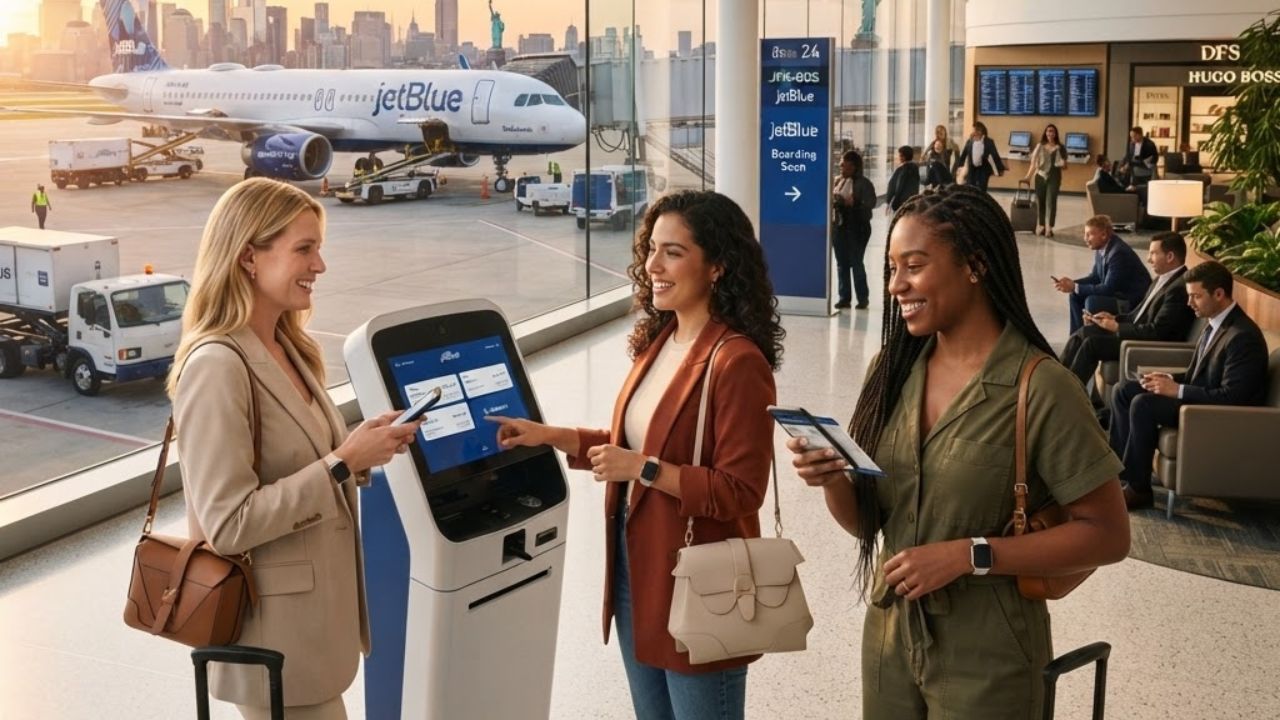
Image generated by AI
JetBlue Redesigns Booking System and Introduces BlueFirst Class
SEO Title: JetBlue Redesigns Booking System and Launches BlueFirst Cabin
Meta Description: JetBlue simplifies booking with a two-step flow separating four onboard experiences (Main, EvenMore, BlueFirst, Mint) from Base, Standard, and Flex fares.
Slug: jetblue-redesigns-flight-booking-system-bluefirst-2026
Standfirst: New York, July 28, 2026 — Official booking system updates confirm that JetBlue has restructured its retail platform, introducing a simplified two-step transaction path and preparing for the rollout of its BlueFirst domestic first-class product.
Three Headlines
Factual / News Headline
- JetBlue restructures its digital booking system into a two-step experience, preparing for the upcoming launch of its BlueFirst domestic first-class cabin.
Curiosity-Gap (Discover) Headline
- The strategic cabin shake-up at JetBlue that will change how you choose your seats and ticket flexibility on future flights.
Problem-Solving (Search) Headline
- How to navigate JetBlue's newly redesigned flight booking options to secure the best balance of comfort and ticket refundability.
New York, July 28, 2026 — A new two-step flight selection interface is rolling out as JetBlue restructures its digital store to introduce its upcoming BlueFirst domestic first-class cabins. This major JetBlue flight booking experience redesign allows customers to isolate their physical onboard experience from their ticket flexibility. By separating seat comfort from cancellation rules, the New York-based carrier aims to simplify booking flows across its international and domestic routes.
JetBlue Restructures Ticket Architecture Into a Two-Step System
The modern air travel booking process often presents travelers with a confusing grid of fare classes, check-in rules, and seat categories. To address this, JetBlue is transitioning to a restructured interface designed to streamline how passengers customize their purchases. Instead of asking customers to navigate multiple combinations of fare attributes simultaneously, the updated booking flow splits the decision into two distinct steps.
First, passengers choose their physical onboard experience, which determines their seat quality, boarding group, and cabin amenities. Second, they select their preferred level of flexibility, choosing between budget, standard, or flexible cancellation rules. According to reports, this separation is intended to make choices transparent, reducing checkout times and improving customer satisfaction on digital channels.
According to statements from Marty St. George, president of JetBlue, the airline's goal is to ensure passengers can find exactly what they are looking for in just two clicks. By aligning the booking system with clear passenger priorities, the carrier aims to compete more effectively with legacy airlines that offer highly structured loyalty and class options. The platform update is scheduled for a rolling deployment across web and mobile booking engines.
Evaluating the Four Distinct Onboard Comfort Levels
Under the new platform architecture, JetBlue's core product offerings are organized into four primary cabin experiences:
- Main: This remains the airline's standard service level. Passengers continue to receive the carrier's classic amenities, including complimentary high-speed Fly-Fi internet, live seatback television entertainment, and free brand-name snacks and drinks.
- EvenMore: Positioned as a premium economy product, this option provides additional legroom, dedicated overhead storage space, early boarding privileges, and expedited airport security lanes where available.
- BlueFirst: Representing the airline's upcoming domestic first-class experience, this product is designed for non-Mint routes. It is set to launch later this year on selected aircraft, offering travelers a dedicated premium cabin option on short- and medium-haul corridors.
- Mint: Serving as the flagship premium product, Mint continues to offer fully flat-bed seats, premium dining, and upscale service on competitive cross-country and international routes.
JetBlue Structural Matrix of Onboard Experiences and Fares
To clarify how these options combine, the table below illustrates how the four onboard experience levels align with the three new fare categories:
Booking Structure Matrix
| Onboard Experience | Available Fare Levels | Primary Focus | Included Benefits |
|---|---|---|---|
| Main | Base, Standard, Flex | Core value and classic service | Free Fly-Fi, seatback TV, snacks |
| EvenMore | Base, Standard, Flex | Extra space and airport speed | Priority boarding, extra legroom |
| BlueFirst | Base, Standard, Flex | Domestic first-class comfort | Premium seating, dedicated service |
| Mint | Standard, Flex | Flagship luxury travel | Lie-flat seats, gourmet dining |
This structured grid allows passengers to mix and match comfort and refundability. For example, a traveler can book a premium economy seat with a restrictive Base fare to save money, or select a standard seat with a Flex fare to protect their plans.
New Fare Flexibility Framework Restores Passenger Booking Control
After choosing their seat experience, passengers select from up to three flexibility categories, each designed for different travel priorities. The "Base" fare is the entry-level option, optimized for travelers who prioritize absolute affordability. Base tickets do not include advance seat selection, and eligible cancellations are returned as travel credits after fees.
The "Standard" fare serves as the balanced choice, offering free advance seat selection, no change fees, and travel credits for cancellations. This is expected to remain the most popular option for leisure travelers who want basic protection without paying a premium. The "Flex" fare represents the highest level of coverage, providing free seat selection, no change fees, and refunds to the original payment method for eligible cancellations.
By standardizing these fare categories across different cabin classes, the airline aims to eliminate the confusion associated with varying rules for different experiences. This alignment ensures that a passenger buying a "Flex" ticket receives the same refundability rights, whether they are sitting in Main, EvenMore, or BlueFirst.
BlueFirst Cabin Launch Drives JetBlue Premium Revenue Strategy
The launch of the BlueFirst product represents a significant pivot in the carrier's network planning. Historically, the airline operated with a two-class configuration consisting of Main and EvenMore seats, with Mint cabins reserved for premium transcontinental and transatlantic routes. The introduction of BlueFirst creates a dedicated domestic first-class tier, helping the carrier capture high-yield corporate and leisure demand on standard routes.
By establishing a clear three-class layout on non-Mint aircraft, the airline brings its fleet strategy in line with major US carriers. The BlueFirst branding was chosen to create immediate passenger recognition, linking the new first-class experience directly to the airline's primary identity. This straightforward naming convention is expected to help the product gain traction in search engine results and travel booking portals.
Airlines are increasingly looking for ways to segment their cabins to maximize revenue per seat. By highlighting the differences between Main, EvenMore, and BlueFirst during the booking flow, the airline can encourage passengers to purchase incremental upgrades. This strategy is critical as airlines navigate rising operating costs and competitive pressure across domestic networks.
What Passengers Receive from Modernized Retailing Platforms
When booking flights under the redesigned platform, passengers receive several benefits that improve their overall travel experience. The changes are designed to address common friction points in digital travel planning.
The primary customer benefits of the modernized interface include:
- Clear Product Comparisons: The two-step layout allows travelers to compare cabin amenities, seat sizes, and boarding rules side-by-side before committing to a purchase.
- Simplified Refund Rules: Standardizing the Base, Standard, and Flex categories makes it easier for passengers to understand their cancellation rights, reducing unexpected fees.
- Streamlined Mobile Transactions: The simplified two-click selection path is optimized for mobile screens, making it faster to book flights on the go.
- Transparent Pricing: Passengers can see the cost difference between seat upgrades and fare flexibility independently, allowing for more personalized travel budgeting.
Actionable Steps for Booking Flight Upgrades in New York and Beyond
For travelers booking flights through major East Coast hubs like New York, understanding how to navigate the new system is key to maximizing value. If you are seeking the lowest possible fare, booking a Base ticket remains the most economical option, but you must be prepared for the lack of seat selection. For business travelers whose schedules change frequently, opting for the Flex fare is recommended to ensure refunds are returned directly to corporate payment cards.
Additionally, travelers interested in experiencing the upcoming BlueFirst domestic first-class cabin should monitor route schedules carefully. As the product rolls out later this year, it will initially be available on selected routes operated by non-Mint aircraft. Checking the aircraft type during the first step of the booking process will indicate if the BlueFirst cabin is available on your chosen flight.
Finally, members of the airline's loyalty program should evaluate how fare categories impact point accumulation. Standard and Flex fares typically yield higher loyalty points per dollar spent compared to Base fares. If you are close to achieving elite status, the additional points earned from a Standard or Flex ticket can justify the minor price difference.
From a Logistical Standpoint: Why Separating Seat Comfort from Refund Rules Matters
From a logistical and economic standpoint, separating cabin experience from ticket refundability represents a major shift in airline retail strategy. Under traditional booking systems, buying a premium seat often required purchasing a fully flexible ticket, which inflated costs for passengers who did not need refundability. By decoupling these options, airlines can attract budget-conscious passengers who still want to travel in comfort.
Furthermore, this modular approach simplifies back-end inventory management for the carrier. Instead of managing dozens of distinct fare codes, the airline's systems can manage seat inventory and ticket rules as separate variables. This simplification makes it easier for the airline to adjust prices dynamically and respond to market demand in real time.
For travelers, this means that the airline industry is moving toward a more personalized, retail-like purchasing model. As digital platforms become more sophisticated, passengers can expect greater control over how they configure their journeys, paying only for the specific amenities and protections they value.
FAQ: JetBlue Flight Booking Experience Redesign 2026
Q1: What are the main changes in JetBlue's redesigned booking system?
A1: The system introduces a simplified two-step booking flow. Customers first select their onboard experience (Main, EvenMore, BlueFirst, or Mint) and then choose their fare flexibility level (Base, Standard, or Flex).
Q2: What is the new BlueFirst cabin class, and when will it be available?
A2: BlueFirst is the airline's upcoming domestic first-class product for non-Mint aircraft and routes. It is scheduled to launch later this year across selected routes and aircraft.
Q3: How do the new Base, Standard, and Flex fare rules differ?
A3: Base fares are the lowest price with no seat selection and cancellation fees. Standard fares include seat selection and travel credit refunds. Flex fares provide full refunds to the original payment method and no change fees.
Related Travel Guides
- Asia Flight Disruption: 3555 Delays and 293 Cancellations Reported
- China Flight Disruption: Weather Causes 4133 Delays and 133 Cancellations
- United Airlines São Paulo Houston Route Reaches 95% Occupancy
Meta Description: JetBlue flight booking experience redesign simplifies passenger choices by separating Main, EvenMore, BlueFirst, and Mint cabins from fare flexibility.
Disclaimer
This article is for informational and educational purposes only. It does not constitute legal, financial, or professional advice. While we strive to provide accurate and up-to-date information, travel policies, regulations, and conditions change rapidly. Always verify information with official sources before making travel decisions. Nomad Lawyer makes no representations about the accuracy, reliability, completeness, or suitability of the information provided. Readers should consult qualified professionals for advice specific to their circumstances. The views expressed in this article are those of the author and do not necessarily reflect the views of Nomad Lawyer.
Kunal K Choudhary
Co-Founder & Contributor
A passionate traveller and tech enthusiast. Kunal contributes to the vision and growth of Nomad Lawyer, bringing fresh perspectives and driving the community forward.
Learn more about our team →