
JetBlue Aircraft Grounded in New York After Rat Discovered in Premium Mint Cabin, Sparking Fears of Travel Chaos and Wiring Damage
Breaking airline news: A viral video of a rat inside JetBlue's premium Mint cabin in New York has triggered emergency aircraft inspections and intense safety scrutiny.

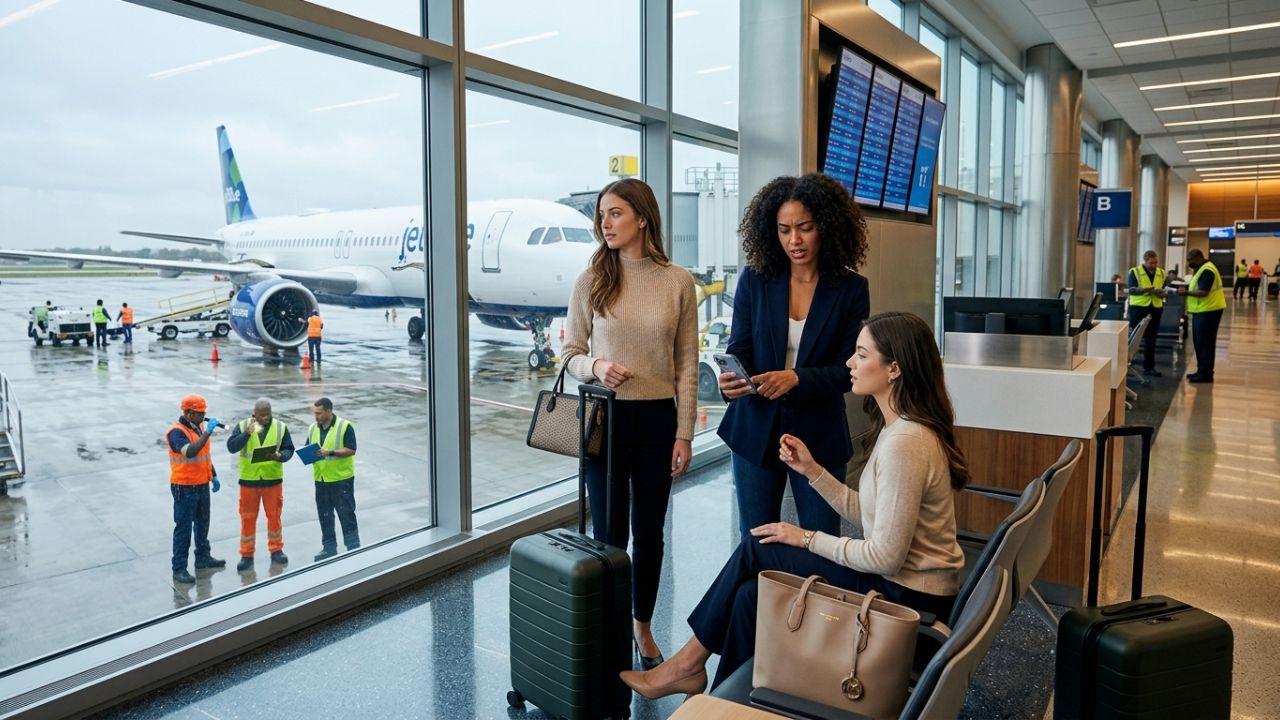
Image representing the intense operational scrutiny facing JetBlue after a live rat was discovered inside its premium Mint cabin in New York, triggering emergency aircraft inspections, fears of wiring damage, and potential airport disruptions. (Image Credit: Aviation Safety Network)
JetBlue Aircraft Grounded in New York After Rat Discovered in Premium Mint Cabin, Sparking Fears of Travel Chaos and Wiring Damage
An Unprecedented Hygiene Breach in JetBlue’s Premium Cabin Triggers Emergency Inspections and Federal Scrutiny
The commercial aviation industry is currently reeling from a highly disturbing and incredibly rare operational breach that has completely shattered the pristine image of premium domestic travel. According to the latest breaking airline news and critical aviation updates, JetBlue Airways has been forced to issue a formal public apology after a live rat was visually confirmed and recorded by a passenger inside the highly lucrative Mint premium cabin. The shocking incident, which took place on a JetBlue service operating out of New York, United States, has instantly triggered widespread, intense concern over deep breakdowns in aircraft cleanliness, airport sanitation practices, and overall aviation hygiene standards. While sudden flight cancellations are typically driven by severe weather, this unprecedented biological intrusion has forced the immediate grounding of the affected aircraft for emergency inspections, highlighting how rapidly a localized hygiene failure can generate intense airport disruptions.
The terrifying situation escalated rapidly across the North American network after the horrified passenger successfully recorded visual evidence of the rodent scurrying through the aircraft cabin. The viral footage immediately intensified intense public and regulatory scrutiny, raising severe, urgent questions regarding exactly how a destructive pest managed to breach the secure perimeter of a commercial aircraft. Aviation safety experts warn that this is not merely a cosmetic or customer service issue; rodents possess an extreme operational danger to modern aviation infrastructure. If a rat compromises the highly sensitive avionics bays, the resulting damage could force immediate, massive travel chaos. Although JetBlue has not yet publicly confirmed the exact operational status or specific routing of the aircraft at the highly sensitive moment of discovery, the carrier has definitively acknowledged the extreme severity of the situation, confirming that comprehensive internal investigations and aggressive emergency aircraft inspections were launched instantly.
Section-Wise Breakdown: The Anatomy of the Mint Cabin Breach
The terrifying discovery of a rodent inside a premium airline cabin reveals severe vulnerabilities in the massive, fast-paced commercial ground handling ecosystem:
The Premium Cabin Breach in New York The incident occurred within JetBlue’s highly marketed, premium Mint cabin—an exclusive environment designed to offer the absolute highest standards of luxury, cleanliness, and passenger comfort in the domestic market. According to the official report, a passenger traveling in this high-end environment suddenly noticed the active presence of a rat onboard the aircraft. This is an incredibly unusual and highly sensitive occurrence in modern commercial aviation, especially within a premium class that is theoretically subjected to significantly enhanced cleaning standards and far stricter maintenance protocols. The passenger immediately captured the horrifying incident on video, alerting the shocked flight crew. Deep concern and visible discomfort quickly spread among the passengers, completely destroying the premium travel experience.
The Operational Danger of Rodent Infestation Aviation safety experts and engineers immediately noted that the presence of a live rodent in an aircraft environment poses an immense, terrifying risk that extends far beyond simple passenger disgust. Rats are notoriously destructive; their natural biological instinct to chew through materials poses a catastrophic threat to an aircraft's incredibly complex, highly sensitive electrical wiring systems and onboard infrastructure. A compromised fly-by-wire system or severed communication cable can instantly trigger an in-flight emergency. This is precisely why such biological incidents are treated with the highest possible level of severity, even when no direct, immediate operational safety failure is observed by the flight crew. Any aircraft suspected of rodent infestation must be immediately grounded, fundamentally risking severe travel chaos as the airline scrambles to cover the lost capacity.
JetBlue’s Emergency Response Protocol Facing massive reputational damage and the viral spread of the disturbing footage, JetBlue immediately executed its emergency response protocols. The airline issued a formal, public apology to the affected passengers and officially confirmed the implementation of aggressive corrective measures. The affected aircraft was immediately subjected to a massive, full-scale mechanical and biological inspection. Furthermore, JetBlue ordered the immediate implementation of significantly enhanced sanitation and pest-control procedures across its ground operations. To ensure this catastrophic failure is not repeated, the airline has initiated deep internal review processes to definitively determine exactly how the biological breach occurred during the highly vulnerable aircraft turnaround phase.
Aviation Protocols: The Ground Handling & Hygiene Matrix
To provide exact, factual clarity on the rigorous standards that were critically breached during this incident, aviation analysts have mapped the specific regulatory protocols governing aircraft sanitation. The following factual matrix details the exact hygiene mandates dictated by federal and international authorities:
Factual Aviation Hygiene & Safety Protocol Matrix
| Regulatory Requirement | Operational Standard / Aviation Mandate |
|---|---|
| Turnaround Cleaning | Mandatory, strict cabin cleaning cycles executed between every single flight |
| Contamination Inspection | Rigorous visual inspection of galleys, seating areas, and cargo compartments |
| Apron Monitoring | Continuous monitoring of airport apron environments where aircraft are actively parked |
| Contractor Oversight | Strict coordination with certified, highly regulated cleaning and ground handling contractors |
| FAA & ICAO Compliance | Ensuring all aircraft remain entirely free from biological contamination risks before departure |
Data reflects the strict regulatory expectations governed by the FAA and ICAO that were breached during the New York incident. (Source: Aviation Safety Network)
Passenger Impact: Disgust and Disruption
For the traveling public—especially those paying massive premiums for the JetBlue Mint experience—this incident represents an absolute nightmare scenario. Passengers onboard the New York flight reported extreme psychological discomfort following the sighting. The terrifying realization that a destructive pest was freely roaming the cabin completely shattered passenger confidence. Beyond the immediate disgust, the grounding of the aircraft for deep pest-control and mechanical wire-inspection directly threatens to cause intense travel chaos. When a mainline aircraft is suddenly pulled from the daily schedule for an emergency deep clean, it generates an immediate equipment shortage, forcing rolling delays and highly frustrating flight cancellations that heavily penalize downstream passengers who had absolutely nothing to do with the original incident.
Industry Analysis: The Hidden Cost of Rapid Turnarounds
Aviation analysts closely monitoring the JetBlue crisis emphasize that this terrifying incident reopens a massive, highly critical debate over how airlines manage sanitation risks in the hyper-fast modern aviation environment. With constantly increasing global passenger volumes, massive aviation hubs across the United States and North America rely incredibly heavily on lightning-fast turnaround times to maximize aircraft utilization cycles. To achieve this speed, airlines frequently rely on outsourced, third-party ground handling and cleaning crews. While maximizing operational efficiency remains the ultimate corporate priority, this specific breach brilliantly highlights the terrifying danger of prioritizing speed over rigorous, meticulous hygiene controls. A failure to secure the aircraft doors or a lapse by a catering truck can easily introduce a pest, instantly exposing the airline to massive regulatory action.
Conclusion: A Massive Wake-Up Call for US Aviation
The horrifying discovery of a live rat inside a JetBlue Mint cabin in New York, United States, has instantly become a highly significant, deeply concerning case study in airline hygiene management and operational oversight. While JetBlue has formally apologized and aggressively initiated comprehensive corrective inspections to ensure no wiring was damaged, the incident definitively underscores a brutal reality in modern commercial aviation. Even the rarest lapses in ground sanitation can escalate violently into massive reputational disasters, intense regulatory scrutiny from the FAA, and the terrifying threat of sudden airport disruptions. Moving forward, North American carriers must aggressively audit their third-party ground handling partners to guarantee that the relentless pursuit of rapid turnaround times does not permanently compromise the biological security of the passenger cabin. (Source: Aviation Safety Network via Nomad Lawyer)
Key Takeaways
- Premium Cabin Breach: A passenger visually confirmed and recorded a live rat inside JetBlue Airways' highly lucrative Mint premium cabin.
- New York Incident: The terrifying biological breach occurred on a JetBlue service operating out of New York, United States.
- Severe Operational Danger: Aviation experts warn that rodents pose a catastrophic threat to highly sensitive aircraft electrical wiring and onboard communication infrastructure.
- Immediate Grounding: JetBlue instantly initiated a full-scale inspection of the aircraft and implemented enhanced sanitation and pest-control procedures.
- Regulatory Scrutiny: The massive hygiene failure violates strict operational expectations governed by both the FAA and the International Civil Aviation Organization (ICAO).
✈️ Frequently Asked Questions (Factual Aviation Safety Data)
What specific airline and cabin class were involved in this highly unusual biological breach? The terrifying incident occurred aboard a JetBlue Airways flight, specifically within the airline's highly marketed, premium Mint cabin.
Where did this massive commercial aviation hygiene failure take place? According to the official report, the shocking incident took place on a JetBlue service operating out of New York, United States, North America.
How did the public and the flight crew become aware of the rodent onboard? A passenger traveling in the premium Mint cabin visually spotted the rat, immediately alerted the flight crew, and captured the incident on video, which subsequently went viral online.
Why do aviation experts consider a rodent onboard to be a severe operational danger? Beyond extreme hygiene concerns, rodents possess a natural instinct to chew, which poses a catastrophic risk of severe damage to the aircraft's highly sensitive electrical wiring systems and onboard infrastructure.
What specific immediate actions did JetBlue take following the viral spread of the video? JetBlue issued a formal public apology, ordered a full mechanical inspection of the aircraft, implemented enhanced pest-control procedures, and launched deep internal reviews into their ground handling processes.
What specific federal and international agencies govern aircraft sanitation and hygiene? Aircraft cleanliness and biological security are strictly governed by regulatory expectations under the US Federal Aviation Administration (FAA) and international hygiene frameworks outlined by the International Civil Aviation Organization (ICAO).
What are the standard mandatory procedures for maintaining aircraft cleanliness between flights? Standard FAA and ICAO protocols include mandatory strict cabin cleaning cycles during aircraft turnaround, visual inspections of galleys and cargo compartments, and continuous monitoring of the airport apron environment.
How can an incident like this lead to broader travel chaos and flight cancellations? When an aircraft is confirmed to have a biological breach, it must be immediately grounded for intense pest control and mechanical wire inspections, creating a sudden equipment shortage that inevitably forces downstream flight cancellations and rolling delays.
🌍 Related Travel Guides & Flight Resources
- Navigate Airport Disruptions Like a Pro Master the art of surviving unexpected travel chaos with our expert strategies.
- Breaking Airline News & Evasion Routes Stay ahead of the delays with our real-time aviation updates and route intelligence.
- Global Flight Cancellation Defense Grid Essential legal rights and compensation tactics when your flight goes down.
⚖️ Disclaimer
The aircraft sanitation guidelines, regulatory frameworks, and operational safety overviews provided in this report are for informational purposes only. The specific aviation variables regarding the highly publicized biological breach aboard the JetBlue Airways Mint cabin in New York—including the exact status of the mechanical inspections, the potential for electrical wiring damage, and the ongoing internal reviews of third-party ground handling procedures—are highly volatile and subject to rapid adjustments by the Federal Aviation Administration (FAA) and JetBlue corporate authorities. All data regarding the incident has been officially sourced from aviation safety networks as of June 15, 2026. NomadLawyer does not guarantee the absolute accuracy or current validity of the information provided and assumes no liability for sudden aircraft groundings, rolling domestic delays, unexpected flight cancellations, or any financial consequences resulting from the use of this content. Passengers are strongly advised to monitor official airline communications regarding specific aircraft substitutions.
Disclaimer
This article is for informational and educational purposes only. It does not constitute legal, financial, or professional advice. While we strive to provide accurate and up-to-date information, travel policies, regulations, and conditions change rapidly. Always verify information with official sources before making travel decisions. Nomad Lawyer makes no representations about the accuracy, reliability, completeness, or suitability of the information provided. Readers should consult qualified professionals for advice specific to their circumstances. The views expressed in this article are those of the author and do not necessarily reflect the views of Nomad Lawyer.
Kunal K Choudhary
Co-Founder & Contributor
A passionate traveller and tech enthusiast. Kunal contributes to the vision and growth of Nomad Lawyer, bringing fresh perspectives and driving the community forward.
Learn more about our team →