
Emirates Pulls Airbus A380 From Germany Routes: Frankfurt, Munich, Düsseldorf Face Boeing 777 Downgrades Through June 2026
Emirates temporarily removes its iconic Airbus A380 from three major German airports, replacing superjumbo flights with smaller Boeing 777 and Airbus A350 aircraft due to fleet maintenance and seasonal demand shifts.

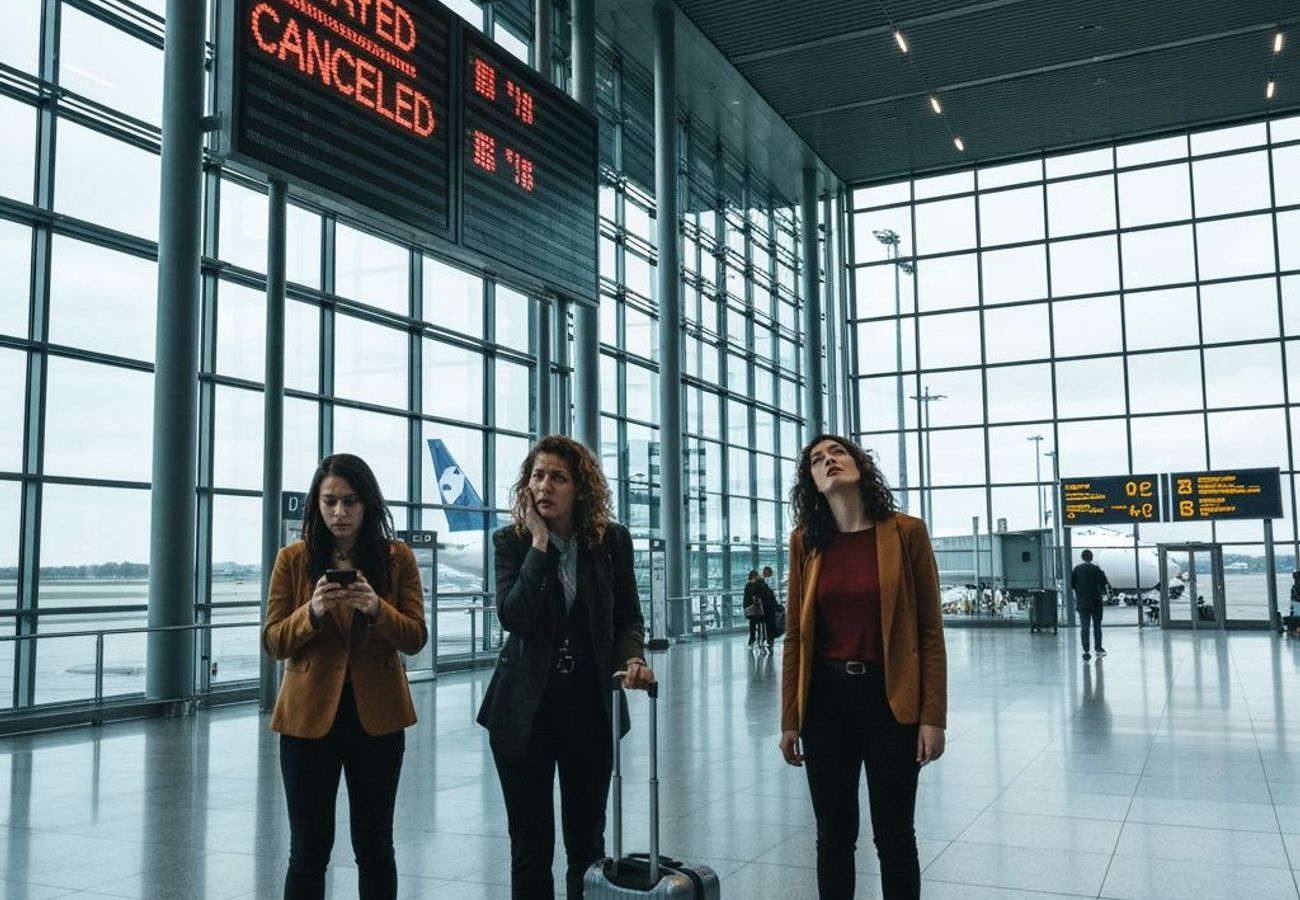
Image generated by AI
The End of Summer Superjumbo Service: Emirates Downgrades Germany Routes
Frankfurt—The iconic silhouette of Emirates' Airbus A380 will vanish from German skies this summer. Starting in early June, the airline is systematically removing its flagship superjumbo aircraft from three of Germany's busiest airports, replacing premium double-deck flights with smaller widebody jets that promise longer wait times and tighter cabins for premium travelers.
The temporary shift affects Frankfurt Airport (FRA), Munich Airport (MUC), and Düsseldorf Airport (DUS)—three of the airline's four German gateways. For travelers accustomed to the A380's sprawling upper deck and spacious cabins, the downgrade stings. But the reasons behind Emirates' summer reshuffle reveal deeper challenges facing long-haul aviation in 2026.
Reddit: "My premium economy seat just became a middle seat on a 777. This is why I'm switching to Lufthansa for Germany routes." — r/travel
A380 Fleet Grounded: The Retrofit Reality
Here's what's actually happening beneath the surface: 32 of Emirates' 117 Airbus A380 aircraft are currently parked and unavailable for regular service. The airline isn't pulling aircraft capriciously—it's executing a large-scale cabin modernization program that's effectively sidelined nearly one-third of the world's largest commercial aircraft fleet.
The retrofit initiative includes refreshed premium cabins, enhanced onboard amenities, and upgraded seat configurations designed to compete with rivals like Singapore Airlines and Qatar Airways. But modernization comes with a cost: temporary capacity constraints during peak summer travel season.
According to Airbus fleet data, the A380 retrofit program involves scheduled maintenance cycles that can run 6-8 weeks per aircraft. When multiplied across dozens of jets, the math becomes brutal for route planners managing summer demand surges.
The Three-Airport Restructure: Here's What Changed
The schedule adjustments ripple across Germany's aviation network with precision cuts:
Munich faces the sharpest reductions. One of Emirates' two daily flights transitioned to a Boeing 777 beginning June 1. By June 9, the second daily service also switched from A380 to 777 operations. Worse, the airline slashed frequency from seven weekly flights to just four weekly flights between June 9-23—a 43% capacity reduction.
Düsseldorf experienced a complete A380 removal from June 9-25, with the Boeing 777 taking over the Dubai route entirely. The 777 carries roughly 350 passengers compared to the A380's 500+, translating to approximately 4,000 fewer seats across the two-week window.
Frankfurt, Germany's largest aviation hub, absorbed the most complex shuffle. One daily service switched from Boeing 777 to Airbus A350-900, while another completely transitioned from A380 to 777. A third Frankfurt-Dubai flight continues with 777 operations. The net effect: two of three daily flights now operate on smaller aircraft.
Hamburg Airport (HAM) already operates exclusively on Boeing 777 aircraft—meaning it avoided further downgrades.
Reddit: "Frankfurt lost its A380 service for the entire month. The premium experience just got a lot less premium." — r/lufthansa
Why Summer? The Heat, The Geopolitics, The Demand Collapse
Seasonal factors drive much of the decision-making. Dubai's summer temperatures regularly exceed 50 degrees Celsius (122 Fahrenheit), creating operational challenges for aircraft fuel loads and passenger comfort. Tourism demand plummets during scorching months—European travelers flee the Middle East heat rather than embrace it.
Regional geopolitical tensions compound the issue. Travel patterns across the Middle East have shifted considerably, and airlines serving the region report softening passenger loads on select long-haul routes. The economics become simple: if demand doesn't justify a 500-seat aircraft, deploying a 350-seat alternative maximizes load factors and profitability.
Fleet availability constraints represent the third leg. With 32 A380s undergoing maintenance and retrofit, Emirates cannot simultaneously run full summer schedules across Europe while maintaining service to Asia-Pacific routes competing for the same aircraft pool. Strategic choices favored core markets while accepting temporary capacity reductions in secondary markets like Germany.
The airline hasn't abandoned Germany—it's optimizing for summer reality.
When Does the A380 Return? Timeline and Impact
The good news: the downgrade appears temporary. Emirates confirmed through industry reports that the A380 reduction extends only through late June across most affected routes. Düsseldorf recovers first (post-June 25), followed by Munich's frequency restoration.
Frankfurt's timeline remains less clear, with potential A380 redeployment dependent on retrofit completion schedules. Industry observers estimate full restoration by late July as aircraft emerge from maintenance facilities.
The ripple effects for business travelers and frequent flyers prove substantial. Premium cabin passengers face diminished service quality, reduced duty-free shopping space aboard smaller jets, and compressed premium lounge amenities. Connecting passengers experience tighter schedules with smaller intermediate aircraft, increasing missed-connection risks during tight layovers.
What This Means for Your Summer Travel Plans
If you're booked on Emirates to Frankfurt, Munich, or Düsseldorf between now and late June: check your reservation immediately. The airline has proactively notified passengers of aircraft changes, but schedule modifications may affect connection times, ground services, and cabin product.
Premium economy and business class travelers should contact Emirates directly about cabin downgrades. The 777 and A350 carry fewer premium seats, creating potential rebooking complications during peak summer demand.
Economy passengers experience the least disruption—both 777 and A350 aircraft offer acceptable economy configurations. However, seat pitch and amenities may differ from A380 expectations.
The broader lesson: the world's largest aircraft fleet still faces resource constraints when modernization meets peak travel season. Even aviation's flagship carriers must make uncomfortable choices when operations outpace available hardware.
Emirates' summer Germany restructuring signals a hard reality—even superjumbo fleets can't escape the math of maintenance, demand, and operational complexity.
Related Travel Guides
Disclaimer
This article is for informational and educational purposes only. It does not constitute legal, financial, or professional advice. While we strive to provide accurate and up-to-date information, travel policies, regulations, and conditions change rapidly. Always verify information with official sources before making travel decisions. Nomad Lawyer makes no representations about the accuracy, reliability, completeness, or suitability of the information provided. Readers should consult qualified professionals for advice specific to their circumstances. The views expressed in this article are those of the author and do not necessarily reflect the views of Nomad Lawyer.
Raushan Kumar
Founder & Lead Developer
Full-stack developer with 11+ years of experience and a passionate traveller. Raushan built Nomad Lawyer from the ground up with a vision to create the best travel and law experience on the web.
Learn more about our team →