
Japan Sake Brewery Tourism Expands Across Regional Communities
Japanese sake (O-sake) brewery tourism is expanding in 2026, offering winter brewing tours, spring festivals, and regional tastings.
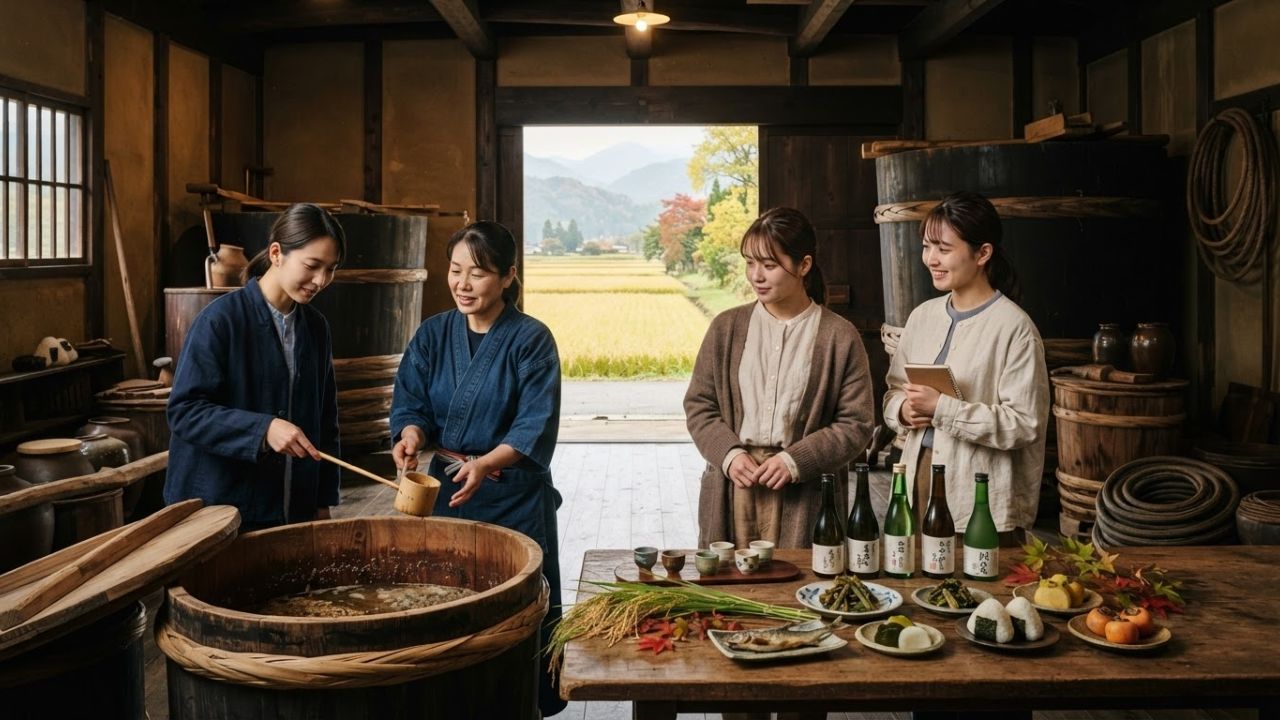
Image generated by AI
Embracing centuries-old rice farming heritages and offering seasonal brewery tours that range from ¥500 tastings to premium ¥15,000 masterclasses, Japan's sake tourism is expanding.
The Core Transit Update
Regional culinary networks and agricultural travel corridors across Japan are optimizing tourist access to historic brewing sites. Traditional sake brewing (O-sake) has received heightened national recognition as a living cultural heritage.
Rather than centering all activities in metropolitan centers, tourism planners are routing visitors to regional breweries in Niigata, Kyoto (Fushimi), Hyogo (Nada-Gogou), and Nagano. These coordinates offer guided tours of fermentation facilities, winter brewing observation windows, and tastings that showcase the distinct water sources and rice varieties of each prefecture.
Experience Costs & Regional Brewing Profiles
Planning a sake-focused itinerary requires matching travel dates with regional climates and understanding typical tasting fees. The following tables outline the average experience costs and compare the primary sake-producing prefectures.
| Sake Tourism Experience Category | Typical Cost Range (Yen) | Description of Services Included |
|---|---|---|
| Basic Sake Tasting | ¥500 – ¥2,000 | Sampling of 3-5 regional varieties |
| Brewery Tour with Tasting | ¥1,000 – ¥5,000 | Guided access to fermentation areas |
| Premium Tasting Experience | ¥5,000 – ¥15,000+ | Rare label pairings & masterclass notes |
| Private Custom Experience | Variable higher rates | Personalized schedules & translation services |
Average prices for Japanese sake tasting and brewery experiences.
| Target Sake Region | Core Environmental Asset | Signature Regional Profile |
|---|---|---|
| Niigata | Clean mountain meltwater | High-quality rice crops & crisp, dry varieties |
| Kyoto | Historic brewing heritage | Fushimi soft spring waters & traditional pairing |
| Hyogo | Nada-Gogou coastal springs | Full-bodied traditional varieties |
| Nagano | Highland alpine climate | Brewery stays & hands-on winter production |
Strategic profiles of major Japanese sake regions.
Traveler Logistics Guide
From a ground-level perspective, the best way to navigate this is to reserve your brewery tour tickets directly through the operators' official portals at least two months in advance, as active brewing facilities limit group sizes to maintain strict hygiene standards inside fermentation halls. Checking dress codes is recommended.
To plan your sake journey:
- Select the Optimal Season: Winter (late autumn to winter) is the active brewing period. Colder temperatures allow travelers to witness the fermentation process in real time.
- Observe Brewery Hygiene Rules: Do not consume natto (fermented soybeans) before your tour, as the bacteria can contaminate the delicate sake yeast cultures.
- Carry Cash for Rural Purchases: While premium urban shops accept credit cards, small family-run breweries in Nagano and Niigata often require cash for bottle purchases.
- Coordinate Train Connections: Major sake hubs like Niigata and Okayama are connected to the Shinkansen network. Use local regional rail links to access remote valley breweries.
Infrastructure Impact Assessment
The development of sake-themed hotel packages and the preservation of historic wooden storehouses protect rural farming landscapes from economic decline.
By distributing traveler spending across local food pairings (such as winter seafood or autumn harvest vegetables) and regional craft shops, the sake tourism sector generates local service jobs, preserves traditional carpentry skills, and redirects visitor density away from crowded metropolitan transit hubs.
Related Travel Guides
Disclaimer
This article is for informational and educational purposes only. It does not constitute legal, financial, or professional advice. While we strive to provide accurate and up-to-date information, travel policies, regulations, and conditions change rapidly. Always verify information with official sources before making travel decisions. Nomad Lawyer makes no representations about the accuracy, reliability, completeness, or suitability of the information provided. Readers should consult qualified professionals for advice specific to their circumstances. The views expressed in this article are those of the author and do not necessarily reflect the views of Nomad Lawyer.