
Japan and Taiwan Cruise Tourism Recovery 2026: New Port Data and Passenger Spending Trends
Japan and Taiwan are redefining Asia's cruise landscape in 2026, shifting focus from simple ship arrivals to high-value passenger spending and advanced fly-cruise infrastructure.

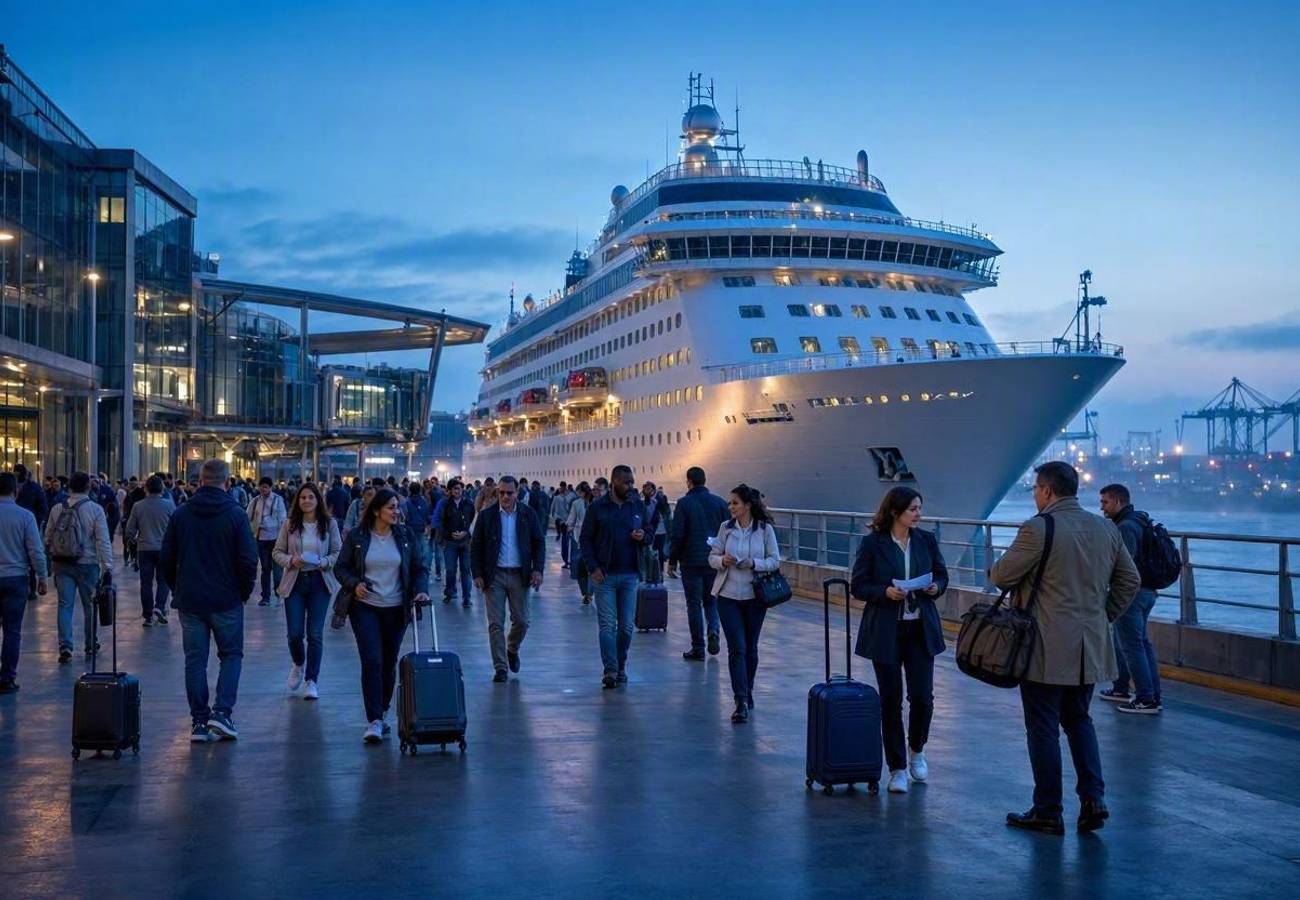
Image generated by AI
Are you planning a cruise through East Asia and wondering which ports offer the best shore excursions and the smoothest transit? As we move into late 2026, the cruise landscape in Japan, Taiwan, and Vietnam has shifted from a basic recovery of ship numbers to a sophisticated focus on "visitor value" and infrastructure efficiency.
The Shift Toward High-Value Cruise Tourism
The recovery of Asian cruise tourism is no longer a uniform rebound. Instead, three distinct models have emerged. Japan is leveraging a massive national network to increase the amount of money each passenger spends per visit. Taiwan is transforming the port of Keelung into a primary regional "fly-cruise" hub, where travelers fly into the city specifically to begin their voyage. Vietnam is utilizing a distributed gateway strategy, spreading traffic across multiple regional ports to showcase diverse cultural landscapes.
The data from 2025 and early 2026 confirms this trajectory. Japan handled 1.767 million visiting cruise passengers across 3,117 cruise calls in 2025. In Taiwan, the port of Keelung broke historical records by processing 993,020 passengers. Meanwhile, Vietnam's recovery is nearly complete, with 2024 figures showing 248,000 passengers, placing it within 6% of its 2019 pre-pandemic levels.
Route and Schedule Details
The following table outlines the current state of cruise activity across the primary Asian markets based on the most recent reported data.
| Market | Passenger Volume | Activity Level | Recovery Status |
|---|---|---|---|
| Japan (National) | 1.767 million (2025) | 3,117 calls | Strong national rebound |
| Taiwan (Keelung) | 993,020 (2025) | 219 calls | Exceeded 2019 record |
| Vietnam (National) | 248,000 (2024) | Data limited | Near 2019 levels |
Traveler Logistics Guide
For the modern nomad or frequent cruiser, the logistics of these ports have changed. Here is how to optimize your transit and shore time.
Optimizing Shore Time in Japan Japan has identified a direct correlation between the length of a port stay and passenger spending. On average, passengers spent ¥22,000 per visit in 2025, with every additional hour ashore adding approximately ¥900 to that total.
- Pro Tip: Prioritize ships with longer port durations. To maximize your time, utilize digital immigration tools and pre-booked transport to avoid the bottlenecks at the terminal. Check the Japan National Tourism Organization (JNTO) for updated regional transit guides.
Navigating the Keelung Fly-Cruise Hub Taiwan has seen a surge in "fly-cruise" traffic, with 61,000 foreign passengers using this model in 2025—more than double the 2018 record of 38,000.
- Booking Strategy: If you are flying into Taiwan for a cruise, allow at least 24 to 48 hours in Keelung or Taipei before embarkation. This mitigates the risk of flight delays and allows you to experience the city.
- Demographic Note: The port is highly international, with Japanese travelers making up 32.1% of foreign visitors, followed by Americans (16%), Koreans (11.4%), and Germans (6.5%).
Connecting Vietnam's Gateways Unlike the centralized model of Taiwan, Vietnam uses a multi-port system. Ha Long is the current leader; in the first half of 2025, Quang Ninh welcomed 35 international ships and nearly 50,000 passengers, a 25% increase year-over-year.
- Transit Tip: When docking at Ha Long International Cruise Port, consider extended excursions that link to Hanoi or Ninh Binh. Ensure your visa allows for multiple entries if your itinerary involves leaving the ship for overnight land stays. For official entry requirements, refer to the Vietnam National Administration of Tourism.
Regional Connectivity Impact
The focus on infrastructure is now the primary competitive advantage in Asia. Japan's government has set an ambitious target to increase average passenger spending to ¥33,000 per port visit by 2030. This means you will likely see more luxury-tier excursions and high-end shopping integrated directly into port terminals.
In Taiwan, the diversification of the cruise portfolio is evident. Keelung hosted 19 maiden ship visits in 2025, introducing brands like Scenic Cruises and Mitsui Ocean Cruises. Additionally, the port of Suao is emerging as a secondary node with eight international calls, suggesting that future itineraries will offer more stops along the north-eastern coast.
Vietnam is focusing on the "distributed" experience. By utilizing ports like Chan May and Phu My alongside Ha Long, Vietnam avoids the congestion of a single hub. For the traveler, this means a more authentic experience with less overcrowding, provided you have coordinated your ground transport in advance.
FAQ: Asia Cruise Logistics 2026
Do I need a transit visa for cruise stops in Japan or Taiwan? Requirements vary by nationality. Most cruise passengers enter under a temporary landing permit for shore excursions, but "fly-cruise" passengers entering Taiwan via airport must ensure they have the correct visa or qualify for visa-exempt entry.
How long should I allow for disembarkation in Japanese ports? To maximize your spending and sightseeing time, aim to be among the first to disembark. Japan's data shows that every extra hour ashore significantly increases the quality of the visit. Use digital check-out services if available.
Is Keelung the only major port in Taiwan? While Keelung is the primary gateway and record-breaker for passengers, Suao is also handling international calls. Check your itinerary to see if your ship docks at the north-eastern coast.
Can I book excursions from Ha Long to Hanoi? Yes, many cruise lines and local operators offer longer excursions from Ha Long International Cruise Port to Hanoi. However, these require strict timing to ensure you return before the ship departs.
Plan your port days with precision to turn a simple stopover into a full cultural immersion.
Related Travel Guides
Disclaimer
This article is for informational and educational purposes only. It does not constitute legal, financial, or professional advice. While we strive to provide accurate and up-to-date information, travel policies, regulations, and conditions change rapidly. Always verify information with official sources before making travel decisions. Nomad Lawyer makes no representations about the accuracy, reliability, completeness, or suitability of the information provided. Readers should consult qualified professionals for advice specific to their circumstances. The views expressed in this article are those of the author and do not necessarily reflect the views of Nomad Lawyer.
Preeti Gunjan
Contributor & Community Manager
A passionate traveller and community builder. Preeti helps grow the Nomad Lawyer community, fostering engagement and bringing the reader experience to life.
Learn more about our team →