
Japan's 2026 Sleep Tourism Boom: Hotel Chinzanso Tokyo and Luxury Resorts Integrate EEG Tech and Tea Rituals
Japanese luxury hotels are redefining wellness in 2026 by transforming sleep into a personalized tourism product, utilizing brain-wave tracking, traditional tea ceremonies, and ergonomic bedding.

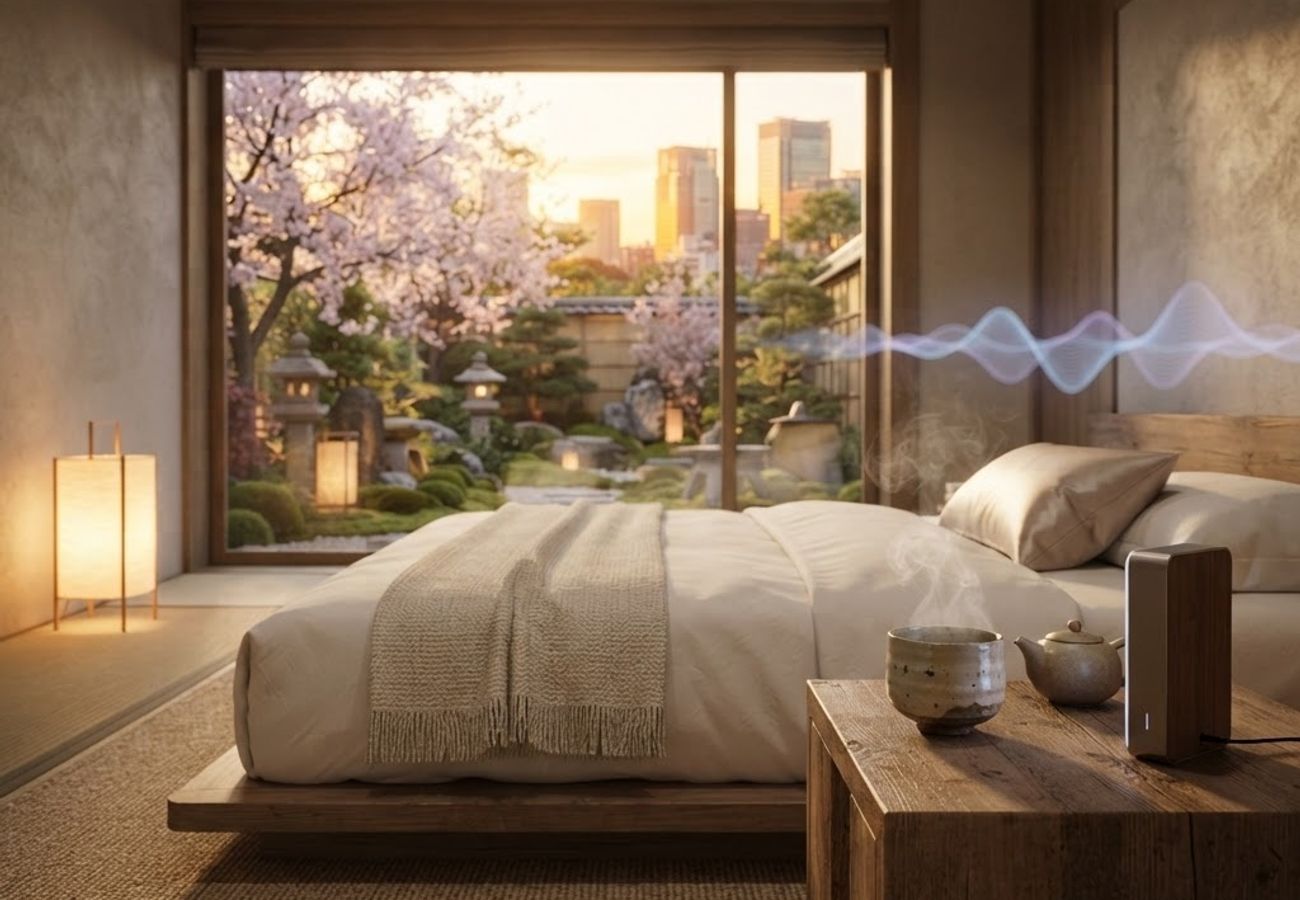
Image generated by AI
Tokyo's luxury hospitality sector is pivoting toward "sleep tourism" in 2026, transforming standard overnight stays into data-driven recovery experiences that blend medical-grade EEG technology with ancient tea traditions.
The shift marks a departure from traditional sightseeing-centric travel, as properties like Hotel Chinzanso Tokyo, Hotel 1899 Tokyo, and Malibu Hotel introduce specialized programs designed to combat rising global stress levels. By integrating sleep science, customized ergonomic bedding, and cultural mindfulness, these hotels are positioning rest as a primary travel destination rather than a byproduct of a trip.
The Evolution of Wellness Travel in Japan
The Japanese hospitality industry is currently witnessing a fundamental transition where quality sleep is being commodified as a luxury service. This emerging sector, known as sleep tourism, allows guests to book experiences centered entirely on physical and mental restoration.
Industry observers indicate that this trend is a direct response to a growing international demand for "meaningful travel"—trips that provide tangible improvements to a traveler's health. Rather than offering a generic luxury room, hotels are now curating every sensory detail, from the specific frequency of background music to the chemical composition of bedtime beverages, to optimize the guest's circadian rhythm.
Comparative Analysis of Japan's 2026 Sleep Tourism Offerings
The approach to sleep tourism varies significantly across Tokyo and its surrounding prefectures, ranging from clinical data analysis to ritualistic relaxation.
| Hotel and Destination | 2026 Sleep Programme | Experience Mechanism | Personalization Method | Key Features | 2026 Pricing / Availability | Critical Traveler Note |
|---|---|---|---|---|---|---|
| Hotel 1899 Tokyo, Shimbashi, Tokyo | Ocha de Totono-ne Plan (1 Aug–30 Nov 2026) | Tea-centered rituals to establish deliberate evening/morning routines. | Sleep-type self-assessment to determine tea/herb combinations. | 5 tea/herb bags; Ishizuchi kurocha chai latte; tea-aroma warmer; Sheep-Free Pillow (14-stage adjustment). | Variable rates via booking system; Breakfast listed at ¥2,500. | Focuses on cultural ritual and digital detachment over medical analysis. |
| Hotel Chinzanso Tokyo, Bunkyo, Tokyo | Sleep Well Stay / Sleep EEG Measurement (6 Jan–25 Dec 2026) | Home and hotel sleep measurement followed by physician evaluation. | InSomnograf EEG head sensor; analyzes REM/NREM and ~20 sleep indicators. | Sealy mattress; Good Night drink (chamomile, lemon balm, peppermint, kiwi, lemon); spa access. | Sleep Well Stay: ¥99,900+ (Single) / ¥140,700+ (Double). EEG plan from ¥75,600+. | Requires booking 10 days prior. Test kits require Japanese residential address. |
| Malibu Hotel, Riviera Zushi Marina, Kanagawa | SLEEP WELL STAY (Launched 5 Feb 2026) | Ergonomic and seaside environment focused on posture and comfort. | EMOOR-developed assessment for mattress and bedding configuration. | 3 mattress options (including Simmons); ReFa VITALWEAR; 100% silk pillowcases; Art of Tea herbal blends. | Standard room price + ¥12,500 per person (includes breakfast). | Limited to one group per day; located approx. one hour from central Tokyo. |
Brain-Wave Analysis at Hotel Chinzanso Tokyo
Hotel Chinzanso Tokyo has established itself as a leader in the scientific application of sleep tourism. By utilizing the InSomnograf, an EEG-based device, the hotel provides guests with objective data regarding their sleep architecture. This allows for a granular look at REM and NREM cycles, providing a level of insight typically reserved for clinical sleep labs.
The program is designed to be a comprehensive loop: guests collect data, a professional analyzes the patterns, and a doctor provides actionable recommendations for improving long-term sleep hygiene. This data-driven approach is paired with the hotel's expansive Japanese gardens, creating a synergy between high-tech diagnostics and high-touch nature.
However, the logistical requirements of this program create a barrier for some. Because test kits must be shipped to a Japanese residential address for the pre-stay phase, the full EEG experience is currently more accessible to domestic residents than to international tourists arriving directly from abroad.
Cultural Mindfulness at Hotel 1899 Tokyo
In contrast to the clinical approach of Chinzanso, Hotel 1899 Tokyo leverages Japan's deep-rooted tea culture to facilitate relaxation. The "Ocha de Totono-ne" plan focuses on the psychological transition from the chaos of urban life to a state of rest.
By utilizing a self-assessment tool, guests are matched with specific tea and herb blends that align with their sleep profile. The experience emphasizes the "slow living" philosophy, encouraging guests to replace digital screens with tea-aroma warmers and mindful morning sencha sessions. This model suggests that for many travelers, the path to better sleep is not through data, but through the restoration of ritual.
Ergonomic Precision at Malibu Hotel
Located in the coastal region of Kanagawa, the Malibu Hotel focuses on the physical mechanics of sleep. Using assessments developed by EMOOR, the hotel adjusts the physical environment—specifically the mattress and supporting pillows—to match the guest's sleeping posture.
The integration of ReFa VITALWEAR and 100% silk pillowcases demonstrates a focus on tactile luxury and ergonomic science. By limiting the program to one group per day, the hotel ensures a highly curated experience that combines the calming influence of the seaside with precise physical support.
Why This Matters: The Shift in Traveler Psychology
For the modern traveler, the rise of sleep tourism indicates a pivot in how "luxury" is defined. In previous decades, luxury was defined by opulence and exclusivity; in 2026, luxury is being redefined as the ability to achieve optimal biological recovery.
From a logistical standpoint, this creates a new hybrid between the hospitality and healthcare industries. When hotels begin offering doctor consultations (as seen at Hotel Chinzanso Tokyo with fees ranging from ¥6,600 to ¥8,800), they are moving beyond the role of a service provider and becoming wellness practitioners.
For the visitor, this means the "vacation" is no longer just about where you go, but how you feel when you leave. The integration of EEG technology and ergonomic assessments suggests that travelers are increasingly seeking "quantifiable" wellness—they want proof that their stay has improved their health.
As Japan continues to blend its heritage of mindfulness with cutting-edge biotechnology, the hotel room is evolving from a place to crash into a laboratory for longevity.
Related Travel Guides
Disclaimer
This article is for informational and educational purposes only. It does not constitute legal, financial, or professional advice. While we strive to provide accurate and up-to-date information, travel policies, regulations, and conditions change rapidly. Always verify information with official sources before making travel decisions. Nomad Lawyer makes no representations about the accuracy, reliability, completeness, or suitability of the information provided. Readers should consult qualified professionals for advice specific to their circumstances. The views expressed in this article are those of the author and do not necessarily reflect the views of Nomad Lawyer.
Raushan Kumar
Founder & Lead Developer
Full-stack developer with 11+ years of experience and a passionate traveller. Raushan built Nomad Lawyer from the ground up with a vision to create the best travel and law experience on the web.
Learn more about our team →