
Japan Launches Massive Road Safety Transformation Near Key Airports as Foreign Rental Car Accidents Surge, Urging Travelers to Drive Cautiously and Stay Vigilant: New Travel Alert
Japan initiates a comprehensive road safety transformation at major airports to curb a fourfold rise in rental car crashes involving international motorists.

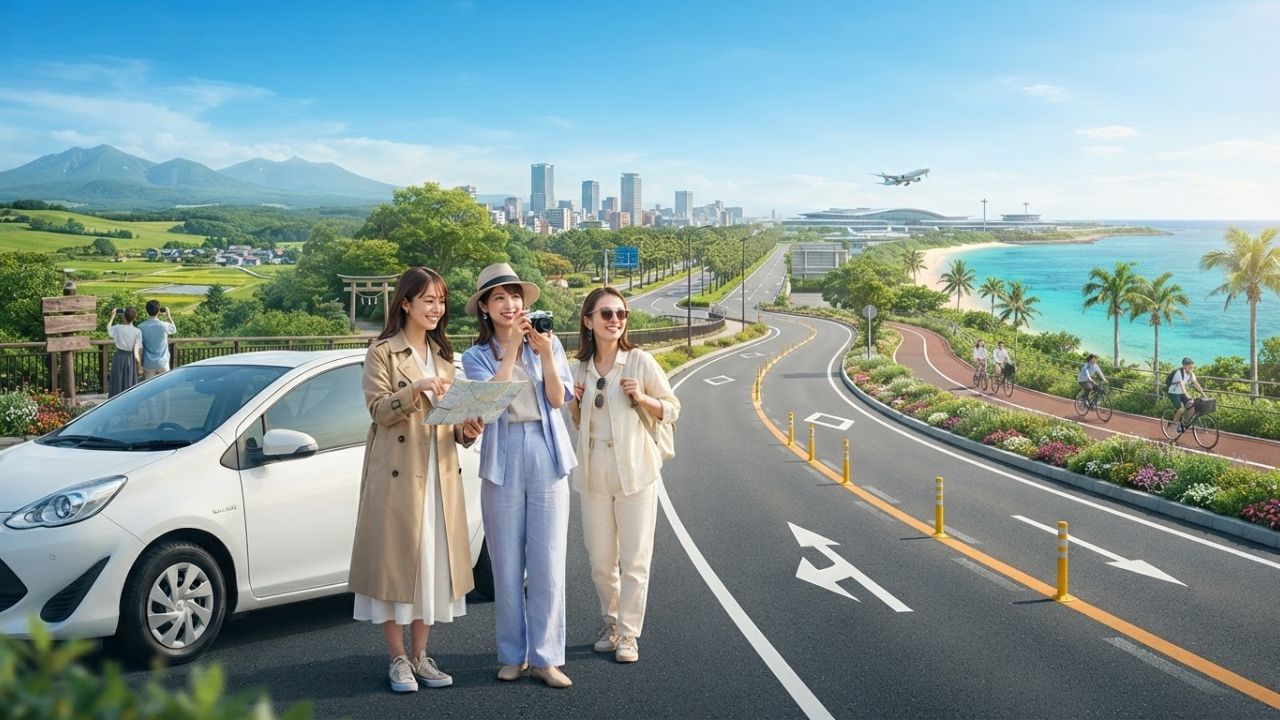
Image generated by AI
Published on July 24, 2026
In an effort to protect international visitors and local commuters, the government of Japan is embarking on a comprehensive Japan road safety transformation near key aviation gateways across the country. This urgent initiative aims to reduce a dramatic increase in traffic collisions involving overseas visitors driving rental vehicles by introducing visual lane guidance and physical barriers. Travelers landing at major regional hubs are urged to review local traffic regulations and remain alert when navigating unfamiliar road systems.
Quick Summary
- Surging Collision Rates: Official transport data reveals that rental car accidents involving foreign drivers increased from 47 in 2020 to 212 in 2025, a rise of over fourfold in just five years.
- Critical Focus Zones: The safety improvements will roll out initially on the busy roads surrounding New Chitose Airport, Fukuoka Airport, and Naha Airport.
- Visual Navigation Paths: Authorities are painting critical road surfaces in distinct colors to guide drivers clearly through complex right-hand turns at intersections.
- Physical Guard Barriers: Flexible rubber bollards are being installed at junctions to physically block motorists from entering lanes designated for oncoming traffic.
- Tourism Dispersal Support: By helping travelers drive safely, this campaign supports the sustainable growth of regional self-drive holidays and local economies.
Context and Background: The Need for a Japan Road Safety Transformation
As international tourism to Japan experiences a robust post-pandemic recovery, the demand for self-drive vacations has reached historic heights. Many travelers prefer the flexibility of rental cars to explore the country's breathtaking regional landscapes, where traditional public transport options may be infrequent or unavailable. However, the surge in overseas motorists has also introduced new safety concerns on national highways.
To address these challenges, the Ministry of Land, Infrastructure, Transport and Tourism (MLIT) is initiating a targeted Japan road safety transformation near major airports. Rather than relying solely on pamphlets or verbal warnings, Japanese transport authorities are installing direct, language-free visual cues and physical barriers on high-traffic roads. This shift toward physical infrastructure upgrades aims to make driving paths intuitive for drivers of all cultural backgrounds.
Event and Incident Details: Surge in Rental Car Accidents
Recent statistical reports from national transport departments highlight a worrying rise in road safety incidents. Specifically, recorded collisions involving foreign rental car drivers climbed from 47 incidents in 2020 to 212 incidents in 2025. These figures encompass drivers operating vehicles with international driving permits or recognized foreign licenses.
| Year | Number of Documented Rental Car Accidents | Overall Trend Details |
|---|---|---|
| 2020 | 47 Accidents | Baseline period with limited international arrivals |
| 2025 | 212 Accidents | A sharp fourfold surge (+351% increase) |
To curb this growing issue, authorities have selected roads near three primary tourism airports for the initial rollout of infrastructure modifications:
- New Chitose Airport: Located in Hokkaido, this airport is the primary gateway for tourists traveling to northern ski resorts, national parks, and scenic rural vistas.
- Fukuoka Airport: Positioned in southwestern Japan, this busy hub connects drivers to multi-stop itineraries across the island of Kyushu.
- Naha Airport: As Okinawa's primary terminal, it serves thousands of visitors who hire vehicles to explore beaches, coastal resorts, and historical sites.
Risk and Impact: Key Driving Challenges and Hazards
Transport analysts have identified several key factors that contribute to the surge in rental car accidents involving foreign drivers:
- Left-Hand Traffic Confusion: Drivers from countries that keep to the right side of the road often struggle to adapt to Japan's left-hand traffic system.
- Dangerous Right-Turn Maneuvers: When turning right at intersections, motorists must cross oncoming traffic lanes, a common scenario where drivers instinctively drift into the wrong lane.
- Language and Sign Barriers: Non-Japanese speakers can easily become distracted or confused by local road signs and unfamiliar intersection layouts.
- Post-Flight Fatigue: Travelers picking up rental vehicles immediately after long international flights frequently suffer from jet lag, reducing their cognitive alertness.
- GPS Navigation Distractions: Attempting to follow digital mapping instructions in a rented vehicle can divert a driver's attention during critical lane-merging moments.
What Authorities Are Saying: Visual and Physical Infrastructure Solutions
To mitigate these driving hazards, transport officials are deploying visual and physical interventions at key intersections. Instead of expecting international drivers to understand every local driving rule immediately, authorities are modifying the road design to guide vehicles naturally. This proactive infrastructure strategy aims to prevent driving errors before they escalate into serious head-on collisions.
One of the most noticeable elements of this safety initiative is the use of colored road surfaces at junctions. These brightly painted paths clearly map out the safe route for vehicles completing right turns, helping drivers maintain correct positioning. Additionally, authorities are placing flexible rubber bollards at intersection boundaries. These bollards act as a physical buffer to block entry into oncoming lanes, guiding drivers visually while minimizing vehicle damage if accidentally struck.
Practical Traveler Advice: How to Stay Safe on Japanese Roads
For international visitors planning to participate in self-drive tourism, road safety experts suggest the following guidelines:
- Verify Driving Credentials: Confirm that your international driving permit or official license translation is fully valid before arriving in Japan.
- Study Local Regulations: Familiarize yourself with Japanese speed limits, road signs, parking policies, and intersection procedures prior to your trip.
- Follow the Colored Lanes: Keep a close eye on the colored pavement markings at airport junctions to ensure you follow the correct turning radius.
- Take Time to Adjust: Drive slowly and carefully when leaving airport parking lots, fuel stations, and rental agencies to build familiarity with left-side driving.
- Enlist a Passenger's Help: Ask your co-pilot to manage GPS navigation and look out for oncoming traffic, allowing the driver to focus entirely on steering.
- Avoid Fatigued Driving: Do not drive when exhausted, jet-lagged, or when visibility is severely compromised by heavy rain or darkness.
Broader Context: Spreading the Economic Benefits of Self-Drive Tourism
While the country boasts an exceptional public transport network, self-drive tourism remains essential for regional development. Independent travel allows tourists to venture beyond the saturated tourist hubs of Tokyo, Kyoto, and Osaka. By driving their own vehicles, visitors are much more likely to stop at remote villages, dine at local restaurants, and purchase goods from small businesses.
However, the continued success of regional tourism relies heavily on maintaining safe road conditions. A steady increase in rental car collisions could lead to rising insurance premiums, operational challenges for rental agencies, and a decline in public support for inbound tourism. The Japan National Tourism Organization (JNTO) emphasizes that establishing secure driving conditions is key to balancing economic growth with public safety.
Looking Ahead: Expanding the Japan Road Safety Transformation
In the coming months, transit authorities will closely monitor the traffic flow and safety records at the upgraded airport intersections. The performance of these colored surfaces and rubber bollards near New Chitose, Fukuoka, and Naha airports will determine the next steps of the project. If the data shows a significant decline in wrong-way entries and right-turn collisions, the government plans to expand these safety measures to other popular tourist driving routes across the country.
Simultaneously, rental car agencies are working to integrate real-time voice warnings and visual alerts into vehicle GPS systems. By combining physical infrastructure improvements with digital updates, Japan aims to build a highly secure environment for international drivers. This holistic approach ensures that the country remains a premier, welcoming destination for self-drive exploration.
Conclusion: Emphasizing Preparedness and Vigilance
The targeted safety measures around Japan's major airports represent a major step forward in protecting international motorists. By installing clear colored lanes and protective rubber bollards, transit authorities are helping foreign drivers navigate left-hand traffic systems more easily. However, infrastructure alone cannot guarantee safety. By practicing careful planning, respecting local rules, and emphasizing preparedness and vigilance, travelers can enjoy a safe, smooth, and unforgettable road trip across Japan.
FAQ: Japan Rental Car Safety and Driving
Why is Japan implementing these new airport road safety measures?
Japan is upgrading its roads due to a sharp rise in rental car accidents involving foreign drivers, which quadrupled from 47 in 2020 to 212 in 2025.
What physical upgrades are being installed at intersections?
Authorities are adding colored road surfacing to guide vehicles through complex right turns, along with flexible rubber bollards to block entry into oncoming lanes.
Which locations are included in the initial safety rollout?
The initial safety installations are focused on roads immediately surrounding New Chitose Airport in Hokkaido, Fukuoka Airport in Kyushu, and Naha Airport in Okinawa.
What is the primary cause of rental car accidents involving foreign drivers in Japan?
The most common hazard is right turns at wide intersections, where drivers accustomed to right-side driving systems often turn incorrectly and enter oncoming traffic lanes.
How can international travelers prepare for driving in Japan?
Travelers should obtain a valid international driving permit, study Japanese road signs, follow colored pavement lanes, and avoid driving while fatigued or jet-lagged.
Metadata and SEO Specifications
- Meta Title: Japan Road Safety Transformation: New Airport Driving Rules
- Meta Description: Japan implements colored lanes and rubber bollards at major airports to curb a fourfold rise in foreign rental car accidents. Drive safely.
- URL Slug: japan-rental-car-road-safety-airports-2026
- Topic Tags: Japan road safety transformation, foreign rental car accidents, self-drive tourism in Japan, New Chitose Airport, Fukuoka Airport
- Featured Image Alt Text: A modern Japanese road intersection near an airport featuring green lane markings and rubber bollards designed to guide international rental car drivers.
Related Travel Guides
Tokyo Haneda Airport Suffers Runway Damage Leading to Flight Disruptions
Japan’s JR East Introduces SOAR Inspection Train to Upgrade Rail Safety
The 10 Best Scenic Driving Routes in Japan, According to Reddit
Disclaimer
This article is for informational and educational purposes only. It does not constitute legal, financial, or professional advice. While we strive to provide accurate and up-to-date information, travel policies, regulations, and conditions change rapidly. Always verify information with official sources before making travel decisions. Nomad Lawyer makes no representations about the accuracy, reliability, completeness, or suitability of the information provided. Readers should consult qualified professionals for advice specific to their circumstances. The views expressed in this article are those of the author and do not necessarily reflect the views of Nomad Lawyer.
Kunal K Choudhary
Co-Founder & Contributor
A passionate traveller and tech enthusiast. Kunal contributes to the vision and growth of Nomad Lawyer, bringing fresh perspectives and driving the community forward.
Learn more about our team →