
Kumamoto Earthquake Disrupts Kyushu Flights on July 28 2026 While Tokyo Haneda Stays Open
A powerful earthquake in Kumamoto on July 28 2026 has disrupted flights across Kyushu while Tokyo Haneda remains operational with delays on connecting routes.

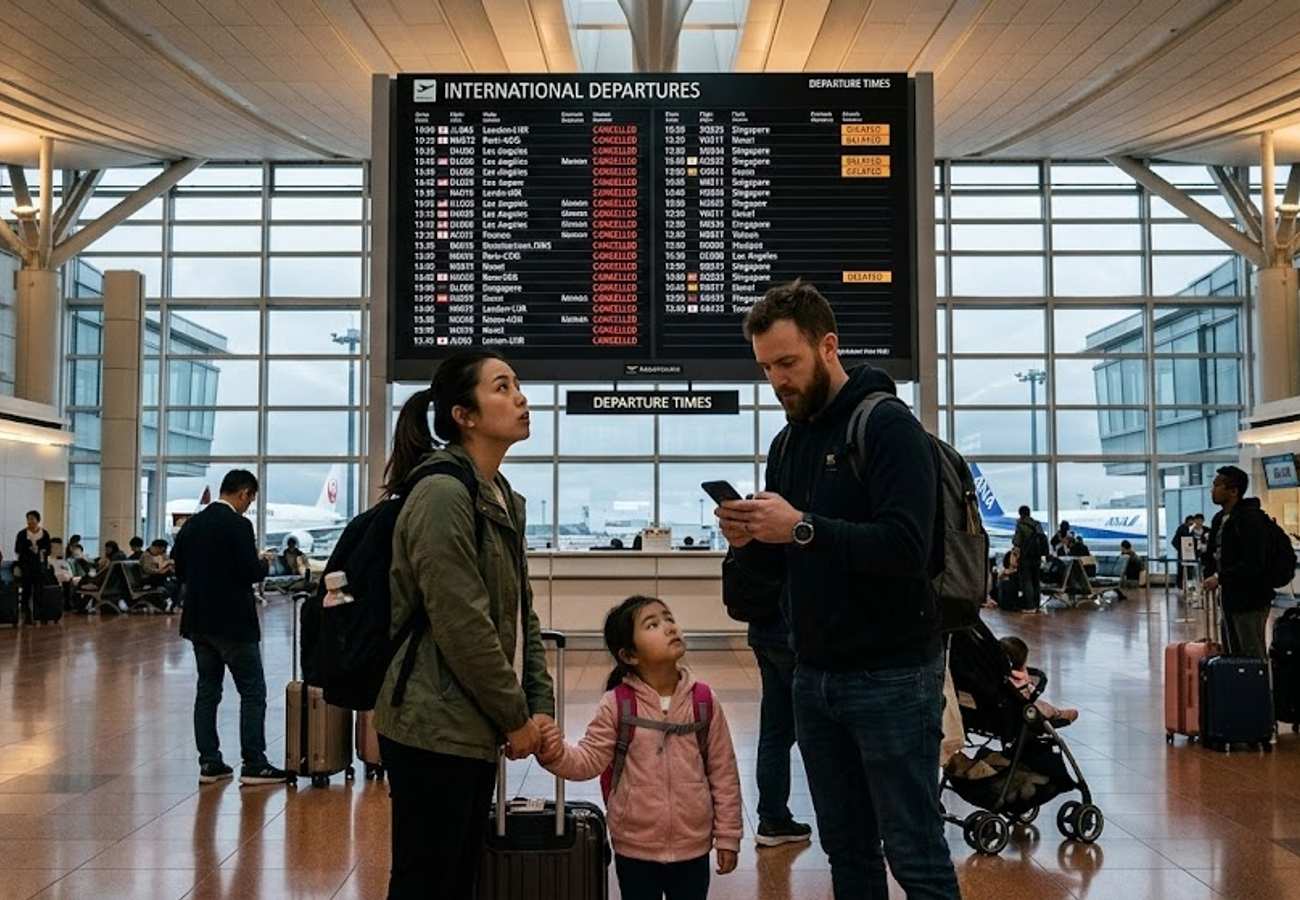
Image generated by AI
A powerful earthquake struck Kumamoto Prefecture on July 28 2026, severely constraining operations at Aso Kumamoto Airport and sending ripple effects through Japan's domestic aviation network. Tokyo's Haneda Airport remains open and operational, but travelers on routes connecting to Kyushu face delays, cancellations, and last-minute schedule changes.
Haneda Airport Operations Remain Broadly Functional
Flight tracking data and airline updates confirm that Tokyo's Haneda Airport is open for both domestic and international services as of July 30 2026. The Kumamoto earthquake, which struck the southwestern island of Kyushu on July 28, did not directly damage runways, terminal buildings, or core airport infrastructure in the Tokyo area.
Departures and arrivals at Haneda are proceeding, but flights linking Tokyo with Kyushu destinations are experiencing delays and cancellations. These disruptions stem from conditions at airports within the quake zone, aircraft rotation problems, and ongoing safety inspections of facilities and transport links rather than any structural damage at Haneda itself.
Passengers can still use Haneda today, but should expect schedule adjustments on flights serving Kumamoto and neighboring regions. Airlines continue to modify timetables as infrastructure assessments progress and passenger demand patterns shift.
Aso Kumamoto Airport Faces Significant Operational Constraints
The strongest aviation impacts are concentrated near the epicenter in Kumamoto Prefecture. Local authorities and airport operators report damage across the region, including power outages, building collapses, and disrupted ground transportation that is hampering normal activity throughout parts of Kyushu.
At Aso Kumamoto Airport, operations have been heavily restricted since the July 28 earthquake. Airport operator updates and airline notices describe widespread cancellations and reduced schedules as inspections continue and staff prioritize safety checks and emergency response. Several carriers have suspended or severely limited services pending confirmation that facilities and navigation systems are fully safe for use.
Other Kyushu airports serving nearby prefectures are generally reported to be structurally intact, but are dealing with indirect consequences:
- Staff shortages affecting operational capacity
- Passenger and worker access difficulties due to damaged roads and rail lines
- Prioritization of emergency and humanitarian flights where requested
Ripple Effects Across Japan's Domestic Network
This localized disruption on Kyushu is creating a cascading effect across Japan's domestic aviation network, particularly on routes connecting Tokyo and Osaka with the southwest. Travelers may encounter altered aircraft types, consolidated services, or last-minute schedule changes as airlines work to maintain connectivity while responding to ground conditions.
Airlines serving routes to and from Kumamoto and other Kyushu airports have issued irregular operations notices detailing cancellations, significant delays, and rebooked services. These changes affect both domestic carriers and international airlines that code-share on internal Japanese flights used to feed long-haul services.
For passengers, the most important step today is verifying the status of each individual flight directly through airline channels before departing for the airport. Same-day schedule shifts continue as inspections progress and demand patterns change, particularly for flights originating in or destined for the hardest-hit areas of Kumamoto Prefecture.
Connection Risks and Flexible Booking Policies
Travelers already in Japan may face disruptions to onward journeys even if their initial departure from Haneda or another major hub operates as planned. Missed connections, retimed services, and altered routings remain possible, especially for itineraries involving transfers to Kyushu or returns from the region back to Tokyo.
Many airlines have introduced temporary flexible policies for affected itineraries, allowing free changes or refunds on tickets touching specific airports and dates. Conditions vary between carriers and may shift as the operational outlook becomes clearer. Passengers should review the latest terms published by their chosen airline and prepare proof of travel dates and original itineraries when requesting changes.
Government Travel Advisories and Aftershock Risks
Government travel advisories in several countries now reference the Kumamoto earthquake and its impact on transport and essential services in southwestern Japan. These notices urge travelers to check local conditions carefully, allow extra time for journeys, and follow guidance from Japanese agencies responsible for disaster management and transport.
Japan's national and prefectural authorities have highlighted the risk of aftershocks in the coming days, along with localized hazards such as landslides and damaged infrastructure. This broader seismic context is directly influencing aviation decisions, as airport operators and airlines balance restoring normal service against safeguarding passengers and staff.
No blanket restrictions have been placed on air travel to Japan. However, some governments advise visitors to reconsider nonessential trips specifically to affected parts of Kyushu until the scale of damage and stability of key services become clearer. Travelers transiting through Tokyo, Osaka, or other major hubs without visiting Kyushu face less direct disruption, though knock-on delays remain possible.
Affected Routes and Airport Status Summary
| Airport / Location | Operational Status | Key Disruption Details |
|---|---|---|
| Tokyo Haneda Airport | Open | Delays and cancellations on Kyushu-connecting flights; no direct infrastructure damage |
| Aso Kumamoto Airport | Significantly constrained | Cancellations and reduced schedules since July 28 2026; safety inspections ongoing |
| Other Kyushu Airports | Structurally intact | Staff shortages, access difficulties, emergency flight prioritization |
| Tokyo–Kyushu Routes | Partially disrupted | Aircraft rotation issues, consolidated services, last-minute changes |
| Osaka–Kyushu Routes | Partially disrupted | Altered aircraft types, rebooked services, schedule shifts |
Key Takeaways
- Tokyo's Haneda Airport is open and operational as of July 30 2026, with no direct earthquake damage.
- Aso Kumamoto Airport faces significant operational constraints following the July 28 earthquake.
- Flights connecting Tokyo and Osaka with Kyushu are experiencing delays, cancellations, and schedule changes.
- Many airlines are offering temporary flexible rebooking and refund policies for affected itineraries.
- Government advisories caution against nonessential travel to affected parts of Kyushu but no blanket Japan travel ban exists.
- Passengers should verify flight status directly with airlines before heading to the airport.
Frequently Asked Questions
Is Tokyo Haneda Airport closed due to the Kumamoto earthquake? No. Haneda Airport is open and operating as of July 30 2026. However, flights connecting Tokyo with Kyushu destinations are experiencing delays and cancellations due to conditions at airports in the quake zone.
Which airport is most affected by the July 28 2026 Kumamoto earthquake? Aso Kumamoto Airport is the most affected, with significantly constrained operations, cancellations, and reduced schedules as safety inspections and emergency response continue.
Are airlines offering flexible rebooking for flights affected by the earthquake? Yes. Many airlines have introduced temporary flexible policies allowing free changes or refunds on tickets touching specific airports and dates. Conditions vary by carrier, so passengers should check directly with their airline.
Is it safe to travel to Japan after the Kumamoto earthquake? No blanket travel restrictions apply to Japan. However, some governments advise reconsidering nonessential travel to affected parts of Kyushu. Travelers transiting through Tokyo or Osaka without visiting Kyushu face less direct disruption.
Related Travel Guides
Disclaimer
This article is for informational and educational purposes only. It does not constitute legal, financial, or professional advice. While we strive to provide accurate and up-to-date information, travel policies, regulations, and conditions change rapidly. Always verify information with official sources before making travel decisions. Nomad Lawyer makes no representations about the accuracy, reliability, completeness, or suitability of the information provided. Readers should consult qualified professionals for advice specific to their circumstances. The views expressed in this article are those of the author and do not necessarily reflect the views of Nomad Lawyer.
Preeti Gunjan
Contributor & Community Manager
A passionate traveller and community builder. Preeti helps grow the Nomad Lawyer community, fostering engagement and bringing the reader experience to life.
Learn more about our team →