Japan's Gunma Railway Walk Wins 2026 Global Recognition for Sustainable Heritage Tourism

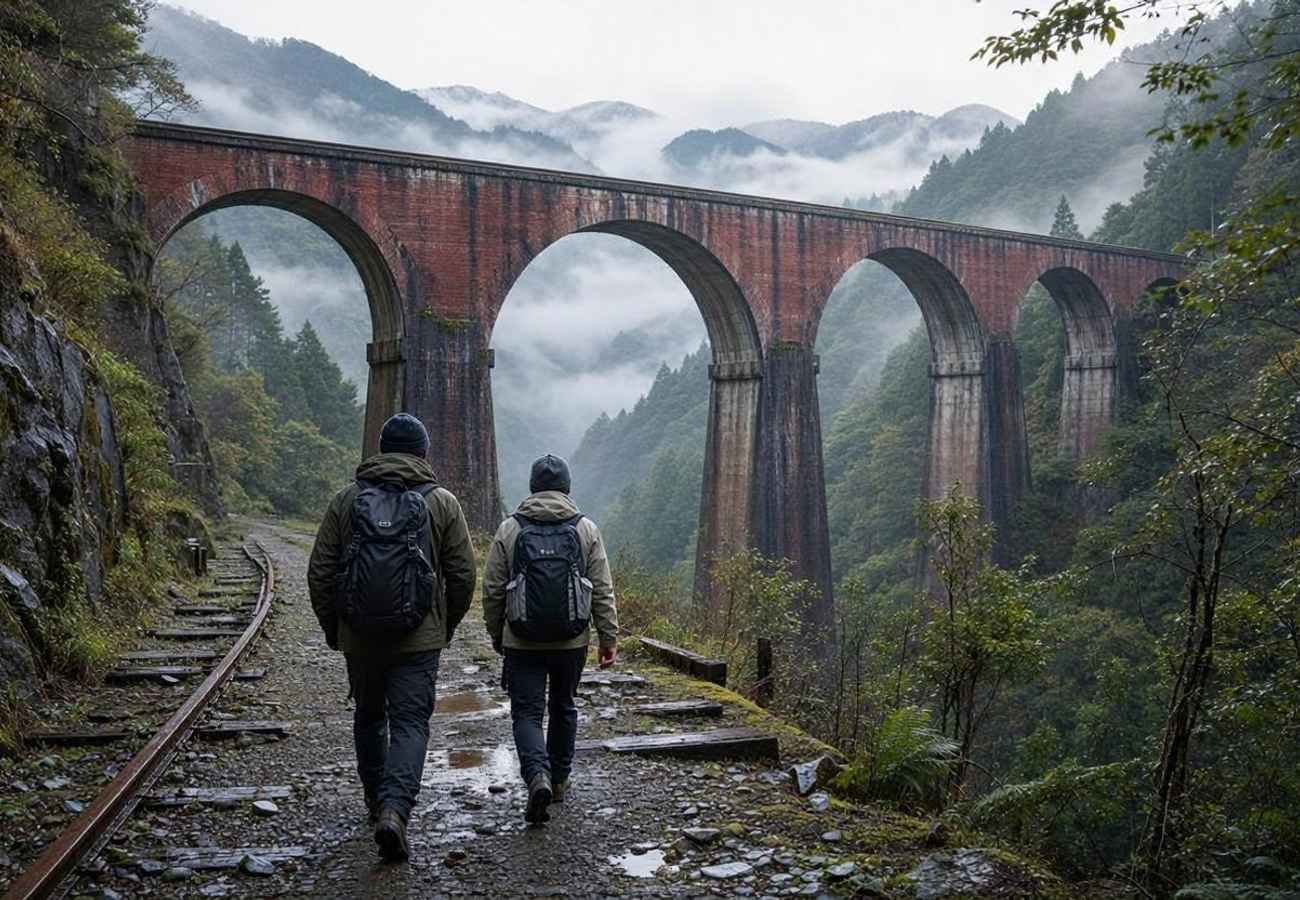
Image generated by AI
A heritage traveler arriving at Yokokawa Station this winter may find the local visitor center more crowded than usual, as the Gunma Abandoned Railway Walk officially enters the global spotlight. For those seeking access to the restricted tunnels and bridges of the Usui Pass, this international recognition transforms a niche local trek into a high-demand destination, making advance planning and a strict understanding of access rules mandatory.
The Global Recognition of Gunma's Railway Heritage
On 29 October, prefectural authorities announced that the Railway Walk at Usui Pass in Gunma had been selected for the 2026 Top 100 Stories, a distinction later confirmed by municipal officials on 11 November. This honor recognizes the successful conversion of abandoned railway infrastructure into a guided tourism model that prioritizes conservation and community involvement.
Located in Annaka, the attraction provides a rare opportunity for visitors to enter railway sections that are typically closed to the general public. The recognition is not a change in policy—access remains restricted to authorized guided tours—but rather a validation of the sustainable tourism practices employed by the local community.
Operational Facts and Heritage Data
The railway line between Yokokawa and Karuizawa first opened in 1893, spanning 11.2 kilometers and featuring 26 tunnels. Historically, this route was a vital artery for transporting regional silk to the ports of Yokohama for international export. While rail services ceased in 1997, the engineering marvels remain, most notably the Usui Third Bridge (Megane-bashi).
Infrastructure and Participation Metrics
| Feature/Metric | Detail | Legal/Official Status |
|---|---|---|
| Usui Third Bridge | 91.1 meters, four-arch brick | National Important Cultural Property (since 1993) |
| Route Length | 11.2 km (original line) | Guided access only |
| 2025 Participation | 2,027 participants | Programme-specific data |
| Cumulative Visitors | 12,000+ | Programme-specific data |
| Revenue Impact | 80% of independent org revenue | Internal organizational funding |
| Stamp Rally | 6 stations, 2 locations | Ends 14 February 2027 |
Your Rights and Access Requirements as a Visitor
Unlike public parks, the Gunma Abandoned Railway Walk is a managed heritage site. Visitors do not have an inherent "right of way" but are granted conditional access through authorized operators. Because these tours enter restricted zones, safety regulations are stringent.
Legal and Safety Obligations: Under Japanese municipal safety guidelines, participants are required to adhere to specific equipment mandates. Failure to provide required safety gear—such as helmets and lighting—may result in the operator denying boarding without a refund, as these are considered "essential safety requirements" for entering dark tunnels and uneven terrain.
Booking Protections: When booking through authorized agencies, travelers should verify the cancellation policy. While Japan does not have a centralized "passenger rights" framework for walking tours similar to EU261/2004, the terms of service provided at the time of booking are legally binding. Ensure you have a written confirmation of the meeting point (Yokokawa or Karuizawa) to avoid "no-show" forfeitures.
Rebooking Strategy and Itinerary Planning
Because this is a guided experience, "rebooking" in the traditional sense applies to shifting your tour date or selecting a different route length.
Practical Route Options:
- The Full Experience: Approximately 6 hours of trekking. Best for history enthusiasts and those with high physical endurance.
- The Short Experience: A one-hour condensed tour designed for photographers and those with limited time.
- The Public Alternative: The Abt Road extends 6.3 kilometers and is open to the public, requiring different access arrangements than the guided railway program.
Logistical Tips:
- Transport: Use the Japan Railway (JR) status pages to monitor the Shin-etsu Line.
- Dining: Check if your booking includes the Toge no Kamameshi (mountain rice meal), a staple of local railway tradition.
- Coordination: Use FlightRadar24 or rail tracking apps to ensure your arrival at Yokokawa Station aligns with your tour departure, as these guided groups depart strictly on schedule.
FAQ: Gunma Railway Walk 2026
Can I walk the railway tracks independently? No. The railway sections are restricted. You must book an authorized guided tour to enter these areas. The Abt Road is a separate, public alternative.
What equipment is mandatory for the tour? Participants must follow official guidance regarding helmets, lights, and sturdy footwear. These are non-negotiable for safety in the tunnels.
Is the Railway Walk a UNESCO World Heritage site? Not currently. While an advisory group is pursuing this ambition, the site is not yet on Japan's cultural tentative list.
Does the 2026 recognition provide visa or entry concessions? No. This is a tourism award. All international visitors must follow standard Japanese Ministry of Foreign Affairs visa and passport requirements.
Preserving the ghosts of the silk trade requires a disciplined approach to tourism—book early, pack right, and respect the rails.
Related Travel Guides
This article is for informational purposes. Flight routes, passenger regulations, visa rules, and transit advisories are subject to change by airlines and aviation authorities. Readers are advised to verify schedules and travel documentation with relevant carriers and border agencies before departure.
Related Stories

Turn Dubai Shopping into Flight Miles: Emirates Skywards 2026 Rewards Guide

US Christmas 2026 Travel Alerts: How to Secure Up to 25% Hotel Discounts in Taney, Otsego, and SLO Counties