
Spring Full Spectacle: Washington D.C. Blooms With Cherry Blossoms & Civic Energy
Washington D.C.'s spring 2026 season merges natural splendor with political engagement, drawing travelers seeking cherry blossoms and meaningful cultural participation.

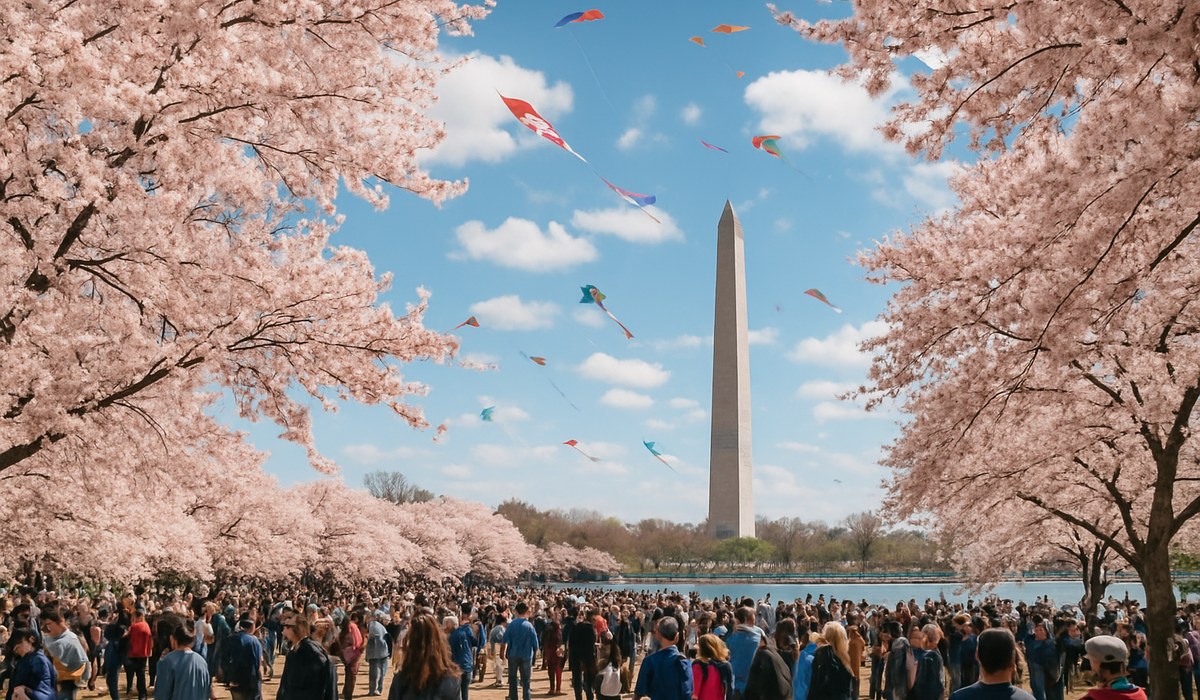
Image generated by AI
Quick Summary
- Cherry blossom season in Washington D.C. peaks through late April 2026, drawing record international visitors
- Political demonstrations and civic engagement activities provide unprecedented cultural immersion alongside traditional sightseeing
- Spring festivals, kite flying events, and outdoor celebrations activate neighborhoods across the city
- Travelers should book accommodations early; spring represents peak season with moderate crowds and ideal weather conditions
While cherry blossoms paint Washington D.C. in delicate pink hues, the nation's capital buzzes with something equally vibrant this spring: a convergence of natural spectacle and political engagement that makes the season unmissable for culturally curious travelers. March 2026 marks a pivotal moment when visitors arrive not just to photograph iconic blooms, but to witness democracy in motion—a dual narrative that distinguishes this year's spring offering from conventional tourism seasons.
The cherry blossom phenomenon alone justifies the journey. Yet this spring delivers more: authentic opportunities to engage with American civic culture, participate in community celebrations, and observe how a democratic society voices its concerns. For nomadic professionals and long-term travelers seeking destinations where leisure intersects with meaning, Washington D.C. has emerged as an essential pit stop.
Cherry Blossom Season: Timing, Location & Peak Viewing
Washington D.C.'s cherry blossom spectacle represents one of the world's most reliable seasonal events. The 2026 season unfolds across a compressed window—typically spanning late March through mid-April—with peak bloom occurring when approximately 70% of blossoms display simultaneously across the Tidal Basin and neighboring districts.
The National Park Service monitors bloom progression with scientific precision. According to peak bloom predictions for 2026, visitors planning trips should target the first and second weeks of April for maximum visual impact. National Geographic Travel reports that spring season travel to D.C. has surged 28% year-over-year, as photographers and nature enthusiasts increasingly recognize the narrow viewing window.
The Tidal Basin remains the epicenter of blossom viewing, with 1,700+ Japanese flowering cherry trees lining the 2-mile promenade. However, secondary viewing locations merit equal attention: the Japanese American Memorial gardens host a more intimate experience, while the Kenilworth Park aquatic gardens offer photographic angles without the Tidal Basin's density.
Temperature patterns support April travel specifically. Daytime highs hover between 55-65°F (13-18°C), creating crisp mornings ideal for photography and walking meditation. Evening temperatures drop to 45°F (7°C), necessitating layered clothing—a minor inconvenience for the seasonal payoff.
Beyond the Blossoms: Political Engagement & Civic Participation
Spring 2026 carries political significance that transcends horticultural tourism. The Capitol, White House, and National Mall—traditional pilgrimage sites for sightseers—host concurrent civic demonstrations reflecting diverse American perspectives. Rather than treating politics as separate from travel experience, culturally aware visitors increasingly integrate democratic observation into their itineraries.
The No Kings Protesters Flood U.S. Streets movement has catalyzed spring activism across the District, with organized marches, town halls, and community forums occurring throughout March and April. These gatherings provide travelers authentic windows into American political culture—observing how citizens exercise constitutional rights, organize collectively, and engage with elected representatives.
Accommodation near Metro stations servicing the National Mall allows easy transit to both cherry blossom zones and protest sites. Visitors often discover that morning photography sessions and afternoon civic participation create unexpectedly cohesive days, where natural beauty and political consciousness interweave naturally.
Several District neighborhoods have organized "Civic Spring" programming, pairing environmental restoration activities with voter registration drives and public forums. These initiatives welcome visiting participants, offering volunteer opportunities that transcend traditional tourism. The Georgetown waterfront and Navy Yard-Ballpark precincts particularly emphasize community-engaged programming this season.
Sarah Chen, director of the D.C. Convention and Visitors Bureau, noted in March briefings that "visitors increasingly seek experiences that combine leisure with purpose. Spring 2026 satisfies both appetites simultaneously."
Kites, Festivals & Spring Cultural Events
Beyond blossoms and demonstrations, D.C.'s spring calendar bulges with family-friendly and culturally specific celebrations. The Smithsonian Kite Festival—traditionally held on the National Mall—returns March 29-31 with international participants flying traditional designs alongside contemporary aeronautical experiments.
Kite flying represents more than recreation in spring D.C. culture; it symbolizes renewal and collective joy. Festival participants originate from 15+ countries, transforming the Mall into an impromptu international gathering space. Children and adults collaborate on massive communal kites, while master craftspeople from Japan, Brazil, and Afghanistan demonstrate regional traditions.
The Cherry Blossom Festival programming extends through mid-April, incorporating food vendors, cultural performances, and botanical education initiatives. Unlike pure tourism infrastructure, these events attract primarily District residents, offering visitors genuine cultural participation rather than staged performance.
Neighborhoods throughout D.C. activate spring programming. Dupont Circle hosts weekend art fairs and open-studio galleries. Adams Morgan celebrates Latin American heritage with street festivals. H Street's emerging creative district showcases street murals alongside performance installations—all enhanced by temperate spring conditions inviting extended outdoor exploration.
Timing matters critically. Weekday mornings (Tuesday-Thursday) offer 40-50% fewer crowds than weekends, allowing more intimate engagement with both natural phenomena and community activities.
Practical Visitor Guide: Where to Stay, What to See
Neighborhoods & Accommodation Strategy
Lonely Planet recommends booking spring accommodations 8-12 weeks in advance, as rates surge 35-50% above off-season pricing. Capitol Hill and Ballpark neighborhoods offer superior Metro access while remaining slightly more affordable than Downtown corridors.
Short-term rental platforms facilitate week-long stays at competitive rates. Spring represents peak tourist season; however, traveling mid-week rather than weekends reduces accommodation premiums by 20-25%.
Pacing Your Spring Itinerary
Attempting to consume D.C.'s spring offerings within 72 hours results in exhaustion and diminished experience quality. Taking breaks help digital nomads absorb information and process experiences meaningfully—equally true for leisure travelers. A 7-10 day spring visit allows adequate time for cherry blossom photography, civic participation, museum exploration, and neighborhood walking.
Schedule mornings (6-10 a.m.) for blossom viewing before crowds accumulate. Reserve afternoons for museum visits or indoor activities. Dedicate evenings to neighborhood exploration, restaurant discovery, and attending community events.
Essential Spring Logistics
- Visa Requirements: EU, Canadian, and Australian citizens enjoy visa-free entry for stays under 90 days. Most other nationalities require ESTA pre-authorization ($14) or standard visitor visas.
- Currency & Costs: USD only; no currency exchange needed for international cards at ATMs. Daily budget estimates: $150-200 (
Disclaimer
This article is for informational and educational purposes only. It does not constitute legal, financial, or professional advice. While we strive to provide accurate and up-to-date information, travel policies, regulations, and conditions change rapidly. Always verify information with official sources before making travel decisions. Nomad Lawyer makes no representations about the accuracy, reliability, completeness, or suitability of the information provided. Readers should consult qualified professionals for advice specific to their circumstances. The views expressed in this article are those of the author and do not necessarily reflect the views of Nomad Lawyer.
Raushan Kumar
Founder & Lead Developer
Full-stack developer with 11+ years of experience and a passionate traveller. Raushan built Nomad Lawyer from the ground up with a vision to create the best travel and law experience on the web.
Learn more about our team →