
Japan Airlines Economy Seats Set a New Global Aviation Comfort Standard
Japan Airlines leads the global aviation sector as its JAL Sky Wider seating concept wins the award for the world's best economy class seats in 2026.

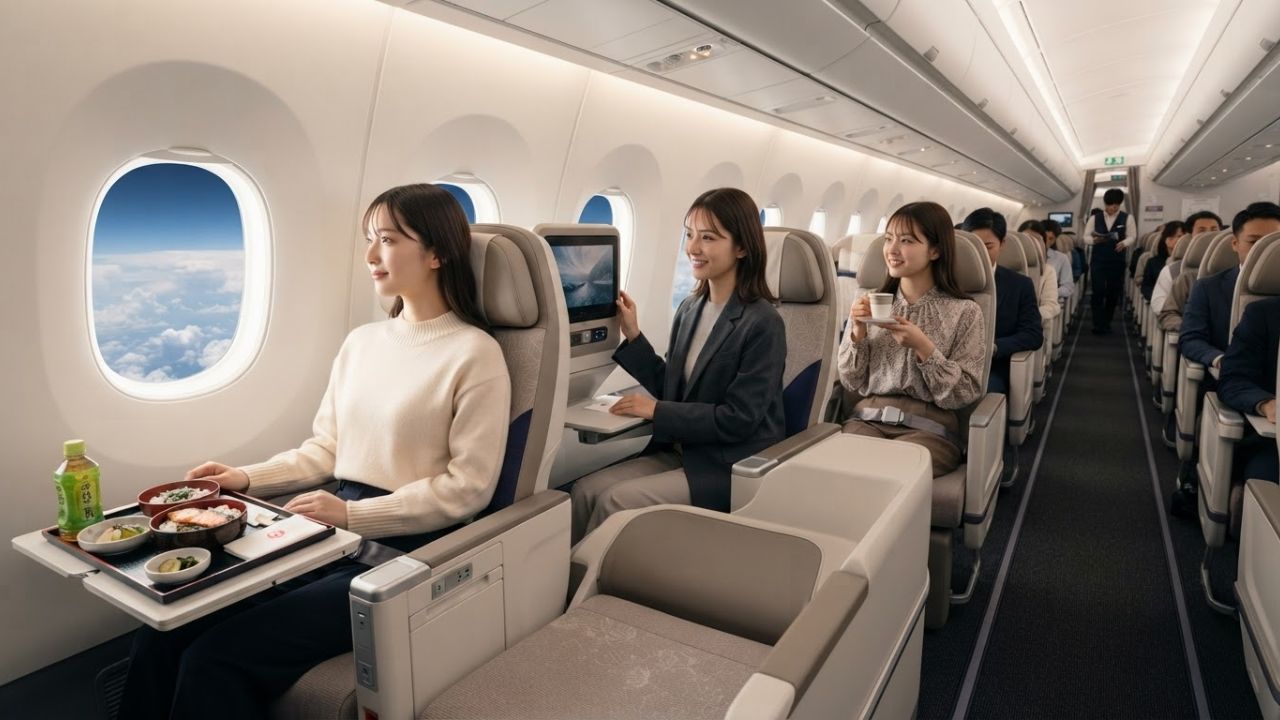
Image generated by AI
Japan Airlines has claimed the leading position in global aviation rankings for the world's best economy class seats, with its JAL Sky Wider cabin design redefining passenger comfort. By increasing row pitch and expanding armrest width, the carrier is demonstrating that budget-friendly long-haul travel can prioritize personal space.
The Modern Race for Economy Class Seating Space
The global airline sector is undergoing a major transition as passenger comfort becomes a key differentiator in economy cabins. For years, the trend in economy air travel favored packing more passengers into tighter configurations to maximize airline revenue. However, seating discomfort and restricted personal space have led to growing passenger frustration, turning the cabin interior into a critical competitive arena.
In response to this demand, several airlines are modifying their seating arrangements to prioritize passenger convenience. The latest global evaluations show that carriers in Asia and the Middle East continue to lead the industry in cabin comfort, investing in flexible seat designs, slimline backrests, and upgraded amenities. By improving the standard travel experience, these airlines are attracting long-haul travelers who seek comfortable journeys without paying the premium rates of business class.
This trend is also driving the adoption of next-generation cabin configurations that optimize overhead storage, creating more headroom and a sense of openness. By utilizing lightweight composite materials, design teams can decrease the thickness of seat frames without compromising safety, enabling airlines to offer extra space while reducing the overall weight of the aircraft.
The JAL Sky Wider Seating Architecture
Japan Airlines has established a global benchmark for economy class seating through its proprietary Sky Wider seat design. The carrier's approach focuses on expanding personal space within the constraints of standard aircraft cabins, creating a more relaxing environment for passengers on long-haul international routes.
The key to JAL's comfort advantage is its seat configuration, particularly on its Boeing 787 Dreamliner fleet. While most global airlines configure their Boeing 787 aircraft in a tight 3-3-3 (nine-abreast) layout, Japan Airlines maintains a spacious 2-4-2 (eight-abreast) arrangement. This configuration allows the airline to offer wider seats, measuring approximately 18.8 to 19 inches (around 48 centimeters) between armrests, compared with the industry standard of 17 inches.
In addition to seat width, the Sky Wider design features a generous seat pitch of 33 inches (84 centimeters), providing extra legroom. The slim seatback structure further increases knee clearance, while built-in amenities—including personal power outlets, bottle holders, USB ports, and large touchscreen entertainment systems—enhance passenger convenience. By keeping the seat width and pitch above industry averages, the carrier ensures that economy passengers enjoy a spacious and restful flight.
The Top 10 Airlines Reshaping Economy Travel Comfort
The latest global airline awards highlight the carriers that have successfully combined cabin space, seat design, and service quality. The rankings reflect evaluations from thousands of international travelers who rate their experiences across multiple comfort categories.
According to the official results, the ten best economy class seats worldwide are provided by:
- Japan Airlines
- Cathay Pacific Airways
- Korean Air
- Singapore Airlines
- Qatar Airways
- ANA All Nippon Airways
- Emirates
- STARLUX Airlines
- China Airlines
- Malaysia Airlines
Cathay Pacific has secured its position by introducing cabin configurations aimed at maximizing legroom on its newer aircraft, such as the Airbus A321neo. The airline has redesigned its seating layout by reducing the seat count in specific rows, creating additional clearance. Similarly, Korean Air and Singapore Airlines have focused on upgrading their inflight entertainment screens and seating fabrics to improve passenger relaxation during long flights.
Middle Eastern Carriers Introduce Premium Touches
Middle Eastern airlines continue to influence global cabin standards by offering luxury touches within their economy sections. Qatar Airways and Emirates have achieved high rankings by investing in advanced cabin interiors, mood lighting, and comprehensive customer services.
Both carriers utilize modern aircraft fleets equipped with spacious seating configurations and entertainment libraries. Qatar Airways has redesigned its seats to feature adjustable headrests and improved lower back support, while Emirates offers high-quality seat cushions and generous baggage allowances. By introducing these features, Middle Eastern airlines are demonstrating that economy travel can offer comfort and technology that rivals premium economy classes.
Inflight Dining as a Comfort Asset
A major factor in JAL's high passenger satisfaction is the integration of traditional Japanese culinary standards with international dining options. The airline collaborates with prominent regional chefs to design seasonal economy menus that raise the quality of inflight meals.
Economy passengers on JAL's international routes can sample signature dishes such as slow-cooked beef bowls, fresh seasonal noodles, and curated bento selections. The airline also serves its popular signature beverage, "Sky Time," a peach and grape-flavored drink, alongside fine Japanese sake and wines selected by professional advisors. By providing high-quality, culturally authentic meals rather than generic airline food, Japan Airlines enhances the overall comfort of the journey.
Visitor Guide: Cabin Layouts, Seat Selection, and Inflight Wellness
Navigating international travel comfortably requires understanding cabin configurations, choosing the correct seats, and practicing healthy inflight habits. By planning in advance, travelers can maximize their comfort.
When planning your journey, check the exact cabin layout of your aircraft. Avoid outdated seat maps and utilize modern seating databases like AeroLOPA to inspect the configuration. Verify whether your JAL flight is operated by a Boeing 787 featuring the preferred 2-4-2 layout. When selecting seats, target bulkhead rows for maximum legroom, but note that these seats often have fixed armrests that slightly reduce seat width and lack under-seat storage during takeoff. Avoid the last rows of the cabin, where seat recline may be restricted due to proximity to the rear bulkhead.
Enhance your wellness during long-haul flights by practicing healthy habits. Wear compression socks to improve leg circulation, and perform gentle ankle circles and leg extensions in your seat every two hours to prevent stiffness. Stay hydrated by drinking water throughout the flight, and limit your consumption of caffeine and alcohol. Bring a high-quality neck pillow and eye mask to support sleep, and utilize JAL's personal USB ports to keep your electronic devices charged.
Pack efficiently to simplify the boarding process. While JAL offers a generous baggage allowance of two checked bags up to 23 kilograms (50 pounds) each in economy class, keeping your carry-on luggage compact makes it easier to store in the overhead bins, helping the flight crew maintain on-time departures.
Future Outlook: Rebuilding Cabin Design around Environmental Efficiency
The future development of economy class cabins will focus on combining passenger comfort with environmental sustainability. As airlines face pressure to reduce carbon emissions, aircraft manufacturers are developing lightweight seat structures that reduce overall fuel consumption.
This long-term planning is also essential for protecting the economic stability of airlines operating in highly regulated markets. By upgrading their standard cabins to meet modern efficiency guidelines, carriers can avoid regulatory penalties while attracting eco-conscious travelers. This balanced approach ensures that fleet modernization remains commercially viable and aligned with international environmental targets. Sustainable innovations include the use of recycled ocean plastics for cabin fabrics, bio-composites for seat shells, and energy-efficient LED lighting systems. By coordinating cabin upgrades with lightweight materials, airlines aim to reduce their ecological footprint while maintaining the spacious dimensions that travelers expect. This approach suggests that the next generation of economy seating will balance environmental efficiency with high comfort, ensuring that sustainable aviation remains comfortable for passengers worldwide.
Related Travel Guides
Disclaimer
This article is for informational and educational purposes only. It does not constitute legal, financial, or professional advice. While we strive to provide accurate and up-to-date information, travel policies, regulations, and conditions change rapidly. Always verify information with official sources before making travel decisions. Nomad Lawyer makes no representations about the accuracy, reliability, completeness, or suitability of the information provided. Readers should consult qualified professionals for advice specific to their circumstances. The views expressed in this article are those of the author and do not necessarily reflect the views of Nomad Lawyer.
Raushan Kumar
Founder & Lead Developer
Full-stack developer with 11+ years of experience and a passionate traveller. Raushan built Nomad Lawyer from the ground up with a vision to create the best travel and law experience on the web.
Learn more about our team →