
Japan Flight Cancellations Surge: United, Jetstar, ANA Cancel 11 Flights Across Tokyo, Osaka, Hokkaido & Guam
Japan's aviation system faces new disruptions as United Airlines, Jetstar Japan, ANA, ANA Wings, and IBEX Airlines cancel 11 flights affecting major airports including Narita, Haneda, Kansai, and New Chitose. Here's what travelers need to know.

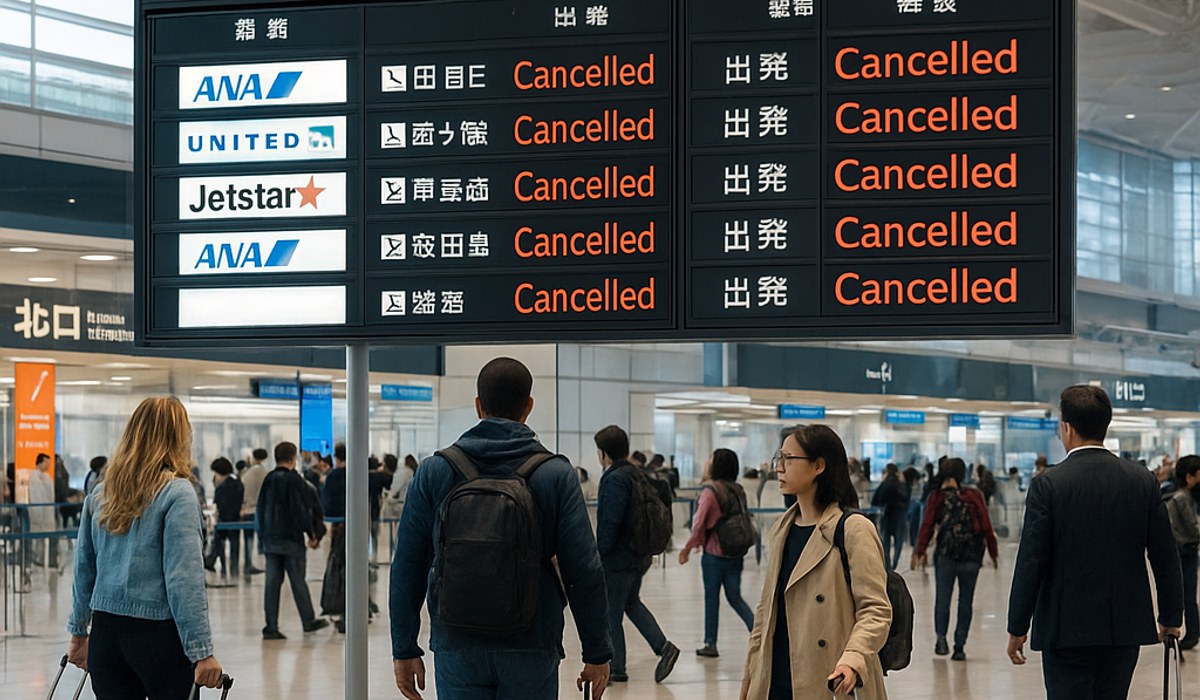
Image generated by AI
Japan Aviation System Faces Major Shake-Up: 11 Flight Cancellations Disrupt Routes Across Multiple Carriers
Quick Summary:
- 11 flights cancelled across Japan by five major airlines (United, Jetstar, ANA, ANA Wings, IBEX)
- Disruptions affect connections between Tokyo, Osaka, Hokkaido, Kyushu, Guam, and other key destinations
- Osaka (Itami), Narita, and New Chitose airports hit hardest with multiple cancellations
- Travelers on regional and international routes facing rebooking challenges
- Operational capacity constraints cited as underlying cause
Japan's aviation network is experiencing significant travel disruptions as a wave of flight cancellations spreads across the country's busiest airports. Within a single operational window, 11 scheduled flights were cancelled by five different airlines, affecting key domestic routes and critical international connections. From Narita's transpacific services to Hokkaido's regional links, the cumulative impact highlights ongoing challenges within Japan's airline operations.
Understanding the Scale of Disruptions: Which Airlines & Airports Are Affected?
The cancellations weren't isolated incidents—they represent a coordinated operational challenge affecting Japan's entire aviation ecosystem. United Airlines, Jetstar Japan, All Nippon Airways (ANA), ANA Wings, and IBEX Airlines all reported cancellations within the same timeframe, suggesting industry-wide pressures rather than single-carrier issues.
Geographic spread of cancellations:
- Narita International Airport (Tokyo): 1 international cancellation
- Kansai International Airport (Osaka): 1 major domestic cancellation
- Chubu Centrair International Airport (Nagoya): 1 regional route cancellation
- Osaka International Airport (Itami): 5 cancellations (most heavily impacted hub)
- New Chitose Airport (Sapporo, Hokkaido): 3 cancellations
Breaking Down Each Major Disruption: What Happened at Key Airports?
International Connection Lost: Narita to Guam Route Cancelled
United Airlines Flight UAL3919, operating a Boeing 737-800 aircraft, was scheduled to depart Narita International Airport on Monday at 7:30 PM Japan Standard Time, heading to Guam International Airport. This cancellation removed a critical link in the US-Japan Pacific travel corridor, affecting business travelers, military personnel, and tourists planning to visit Guam from Japan.
The Narita-Guam route is one of Asia's vital international gateways. Removing it from Monday's schedule created immediate rebooking challenges, as alternative flights fill quickly during peak travel seasons.
High-Demand Domestic Corridor Hit: Jetstar Cancels Osaka-Tokyo Connection
Jetstar Japan's Flight JJP238, an Airbus A320, was scheduled to depart Kansai International Airport on Sunday at 9:00 PM JST, bound for Narita. This flight serves the critically important Osaka-to-Tokyo corridor—one of Japan's busiest domestic routes. The cancellation affected hundreds of potential passengers relying on late-evening connections.
The timing of this cancellation—a Sunday evening departure—suggests it may have impacted travelers returning from weekend trips or business travelers heading home. With Narita being Tokyo's primary international hub, alternative flights become scarce, especially for evening departures.
Central Japan to Kyushu Link Disrupted: IBEX Airlines Cancellation
IBEX Airlines Flight IBX3159, operating a Bombardier CRJ700 regional jet, was set to depart Chubu Centrair International Airport on Saturday at 1:50 PM JST for Fukuoka. This cancellation severed a vital connection between Japan's central region and Kyushu, affecting business commuters and leisure travelers.
Regional aircraft like the CRJ700 appear disproportionately affected by the disruptions, suggesting that short-haul operations are facing particular capacity and scheduling challenges.
Osaka Hub Experiences Cascade of Cancellations
Osaka International Airport (Itami), historically one of Japan's busiest domestic hubs, bore the brunt of the disruptions with five separate cancellations. This concentration of disruptions at a single airport indicates either localized operational constraints or strategic consolidation of passenger loads.
ANA Wings Cancellations from Osaka (Itami):
- Flight AKX509 (Dash 8-300), Saturday 5:05 PM JST, destination Miyazaki Airport
- Flight AKX547 (Dash 8-300), Saturday 3:45 PM JST, destination Kagoshima Airport
- Flight AKX521 (Dash 8-300), Saturday 7:05 AM JST, destination Kumamoto Airport
These three cancellations eliminated Osaka's connections to three major Kyushu cities—Miyazaki, Kagoshima, and Kumamoto—completely disrupting travel in Japan's southwestern region.
All Nippon Airways (ANA) Main Cancellation:
- Flight ANA20 (Boeing 787), Saturday 10:00 AM JST, destination Tokyo International Airport (Haneda)
ANA's Boeing 787 cancellation is particularly significant. The 787 is a wide-body aircraft typically used for longer routes and premium service, suggesting that even ANA's flagship aircraft were grounded during this operational period.
Northern Japan Faces Repeated Disruptions: New Chitose Airport (Hokkaido)
New Chitose Airport in Sapporo, Hokkaido's primary hub, experienced three cancellations, all affecting crucial connections to mainland Japan.
IBEX Airlines Cancellations (two separate incidents on the same route):
- Flight IBX3150 (Bombardier CRJ700), Saturday 8:10 PM JST, destination Sendai Airport
- Flight IBX50 (Bombardier CRJ700), Saturday 8:10 PM JST, destination Sendai Airport
Notably, both flights were scheduled for the same departure time to the same destination, suggesting possible aircraft reassignment or operational consolidation.
ANA Wings Cancellation:
- Flight AKX4853 (Dash 8-300), Saturday 11:00 AM JST, destination Hakodate Airport
This Hokkaido-to-Hokkaido route cancellation indicates that even intra-regional flights weren't spared from disruptions.
What's Actually Driving These Cancellations? The Real Issues
While airlines typically remain vague about cancellation causes, several patterns emerge from analyzing the affected aircraft and routes:
Aircraft Type Concentration: Regional turboprops (Dash 8 series) and regional jets (CRJ700) account for the vast majority of cancellations. This suggests that Japan's regional aviation capacity is under significant strain.
Possible Contributing Factors:
- Crew scheduling and fatigue management requirements
- Maintenance cycles or technical inspections
- Strategic load consolidation due to lower-than-expected demand
- Airport congestion creating cascading delays
- Possible weather-related preparations for anticipated conditions
The simultaneous cancellations across five different airlines point to system-wide pressures—likely operational capacity constraints rather than airline-specific issues.
Impact on Traveling: What Does This Mean for Your Japan Trip?
If you're planning to travel within Japan or to/from Japan via these affected routes, here's what you need to know:
For Passengers Holding Affected Tickets:
- Airlines are required to rebook passengers on alternative flights
- International routes (like Narita-Guam) have extremely limited alternatives
- Regional routes to Kyushu and Hokkaido may face 6–24 hour delays in rebooking
- Direct passenger communication is often delayed; proactive contact with airlines should be your first step
For Future Japan Travelers:
- Build extra buffer time into domestic connections, especially for evening flights
- Consider booking flights earlier in the day when alternatives are more available
- Track a/c aircraft assignments until 24 hours before departure (better insight into cancellation risk)
- Have backup plans for time-sensitive events (conferences, celebrations, etc.)
The Ripple Effect: These 11 cancellations don't just affect the directly booked passengers—they create cascading effects throughout Japan's aviation system. Passengers booked on alternate flights suddenly find their flights overbooked. Connecting passengers miss international departures. Hotel bookings become misaligned with actual arrival times.
Why This Pattern Matters: Japan's Aviation Capacity Challenge
Japan's aviation sector is experiencing evolving operational dynamics. The concentration of cancellations among regional aircraft and smaller carriers like ANA Wings and IBEX suggests that Japan's domestic network—already heavily dependent on regional carriers—is facing capacity pressures.
Several factors contribute to this environment:
- Crew Management: Japan's strict labor regulations and fatigue management rules limit how quickly crews can turn around for successive flights
- Aircraft Utilization: Regional aircraft have longer turnaround times between flights, creating schedule fragility
- Demand Volatility: Seasonal travel patterns mean capacity can quickly become mismatched with demand
- Infrastructure Limitations: While Tokyo's airports are world-class, regional airports have limited facilities for handling unexpected disruptions
Historical Context: Is This Normal for Japan Aviation?
Flight cancellations happen everywhere, but the concentration of disruptions across multiple carriers in a single operational window is notable. Japan's aviation system typically boasts strong reliability metrics, making this wave of cancellations somewhat unusual—though not unprecedented during seasonal transition periods or when operational adjustments occur simultaneously across the industry.
Looking Ahead: What Travelers Should Monitor
For the coming weeks:
- Monitor airline announcements for spring schedule changes
- Regional routes may face periodic disruptions as airlines adjust for seasonal demand
- International routes to/from Japan should stabilize as carriers confirm summer configurations
- Consider purchasing travel insurance that covers airline cancellations and disruptions
Long-term trends to watch:
- How aggressively regional carriers adjust capacity
- Whether Japan's major airports implement new operational protocols
- Any regulatory changes affecting crew scheduling or aircraft utilization
Practical Traveler Tips: How to Protect Your Japan Trip
Before booking:
- Check which aircraft operates your flight (regional CRJ/Dash 8 flights = higher disruption risk)
- Avoid evening departures when alternatives run thin
- Book on larger carriers (JAL, ANA mainline) for more rebooking flexibility
After booking:
- Sign up for airline alerts and notifications
- Set calendar reminders to check flight status 7 days before departure
- Have alternative routing planned for critical connections
Day of travel:
- Arrive early for domestic connections (check-in lines can be longer during disruption periods)
- Keep airlines' 24-hour contacts saved in your phone
- Have Japanese language translation app ready for speaking with ground staff
FAQ: What Travelers Are Asking About Japan Flight Disruptions
Q: Is it safe to visit Japan right now given these flight disruptions? A: Yes, absolutely. Eleven cancellations across Japan's entire aviation network is statistically minute. Over 2 million passengers fly domestically in Japan monthly. These disruptions are operational hiccups, not systemic failures.
Q: Will my connecting flight be cancelled if my first flight is delayed by these disruptions? A: Potentially, if you're on separate bookings. If you hold one booking across multiple flights, airlines will rebook you on the next available service. Always book connecting flights on a single reservation when possible.
Q: How long before I know if my flight is cancelled? A: Airlines typically announce cancellations 24–48 hours in advance. Some last-minute cancellations occur, but Japanese carriers generally provide advance notice.
Q: What compensation am I entitled to if my flight is cancelled in Japan? A: Japan has no government-mandated compensation scheme like the EU's. Most airlines offer rebooking on next available flights, but cash compensation depends on airline policy. Check your ticket's terms or contact your airline directly.
Q: Should I avoid flying to Hokkaido and Kyushu due to these cancellations? A: No. New Chitose and regional Kyushu airports experienced disruptions, but they're temporary. These regions remain easily accessible, and alternative routes (buses, trains, ferries) exist if flight cancellations do occur.
Q: Are ANA and United Airlines reliable for future Japan bookings? A: Both carriers have strong reliability records otherwise. These cancellations reflect industry-wide pressures, not carrier-specific issues. You can continue booking with confidence.
Final Takeaway: Japan Aviation Faces Short-Term Challenges
The cancellation of 11 flights across Japan's aviation network represents a notable disruption, but it shouldn't deter travel plans. Within days, schedules typically stabilize as airlines adjust operations and rebooking clears customer backlogs. For travelers currently exploring Japan or planning future trips, staying informed and building flexibility into your itineraries remains the best strategy.
Monitor airline communications through March and April, book direct flights when possible, and leverage Japan's world-class alternative transport options (trains, buses) for backup plans. With proper planning, Japan's aviation challenges become manageable rather than trip-derailing.
Have you experienced flight disruptions in Japan? Share your experience in the comments below—your insights help fellow travelers plan better.
Related Reading:
- How Japan's Bullet Train System Can Save Your Vacation Plans
- Complete Guide to Navigating Japanese Airports During Peak Travel Seasons
- Travel Insurance for Japan: Do You Really Need It?
Disclaimer
This article is for informational and educational purposes only. It does not constitute legal, financial, or professional advice. While we strive to provide accurate and up-to-date information, travel policies, regulations, and conditions change rapidly. Always verify information with official sources before making travel decisions. Nomad Lawyer makes no representations about the accuracy, reliability, completeness, or suitability of the information provided. Readers should consult qualified professionals for advice specific to their circumstances. The views expressed in this article are those of the author and do not necessarily reflect the views of Nomad Lawyer.
Raushan Kumar
Founder & Lead Developer
Full-stack developer with 11+ years of experience and a passionate traveller. Raushan built Nomad Lawyer from the ground up with a vision to create the best travel and law experience on the web.
Learn more about our team →