
Jackson Hole Aligns Alaska and Park City Set for a High-Adrenaline US Winter Adventure Tourism Boom in December 2026
Jackson Hole Aligns Alaska and Park City Set for a High-Adrenaline US Winter Adventure Tourism Boom in December 2026

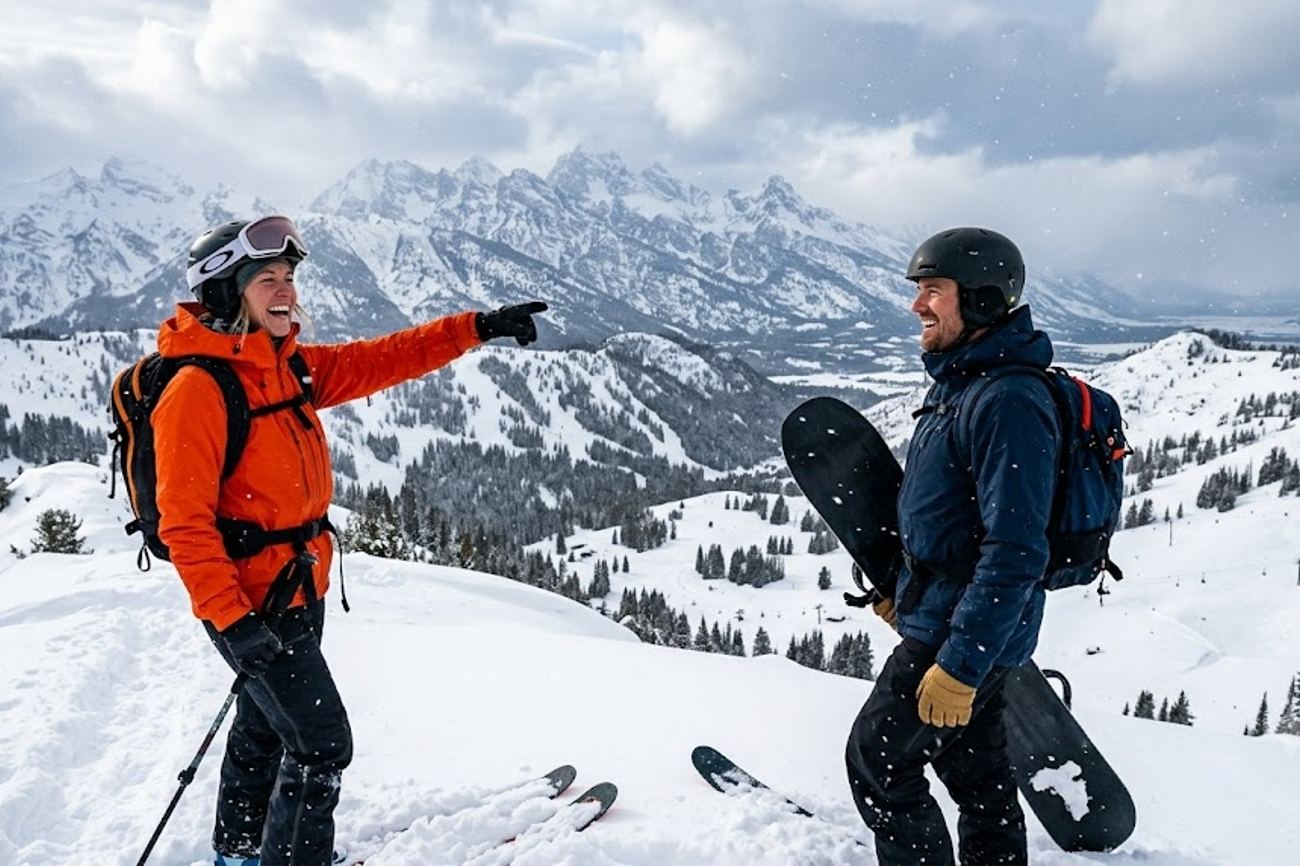
Image generated by AI
450 inches of annual snowfall in Jackson Hole, Wyoming, serves as the primary catalyst for a surge in high-technical winter tourism slated for December 2026. This volume of precipitation is transforming the American West from a hub of leisure skiing into a laboratory for endurance-based adventure, where the traditional vacation is being replaced by "technical expeditions." From the glaciers of Alaska to the bobsled tracks of Utah, the shift toward high-adrenaline, equipment-heavy travel reflects a broader market trend: the commodification of elite athletic experiences for the affluent adventure traveler.
The Shift Toward Technical Winterism
The traditional winter tourism model—centered on lift tickets and lodge stays—is facing a disruption. In its place, a new category of "technical winterism" is emerging. This trend is characterized by a move away from groomed slopes toward backcountry environments that require specialized gear and professional certification. The catalyst for this shift is a growing segment of travelers who view physical endurance and risk management as the primary value drivers of their journey.
This evolution is most evident in the Rockies, where the boundary between professional mountaineering and luxury travel has blurred. The rise of "Skimo" (ski mountaineering) is a prime example. No longer a niche pursuit for alpine guides, Skimo is entering the mainstream, bolstered by its inclusion in the Winter Olympic program. This regulatory shift in the sporting world has created a downstream effect on travel logistics, forcing mountain schools to pivot their curricula to accommodate travelers who want to master traction skins and uphill ascents before attempting high-altitude peaks.
Regional Distribution of High-Adrenaline Infrastructure
The geography of December 2026 adventure travel is concentrated in four primary hubs, each offering a different modality of risk and physical demand. The following breakdown illustrates the specialization of these regions:
| Destination | Primary Activity | Technical Requirement | Key Infrastructure |
|---|---|---|---|
| Jackson Hole, WY | Heli-Skiing | Advanced Proficiency / Avalanche Gear | High-precipitation alpine terrain |
| Park City, UT | Olympic Bobsledding | Age/Physical Clearance | Utah Olympic Park |
| Matanuska, AK | Glacier Trekking | Crampons / Ice Axes | Matanuska Glacier Tours |
| Adirondacks, NY | Fat Biking | Aerobic Fitness | Groomed single-track networks |
| Fairbanks, AK | Active Mushing | Team Command Training | Wilderness expedition trails |
In Alaska, the focus is on "ice expeditions." The Matanuska Glacier has become a focal point for ice climbing and trekking, activities that move beyond hiking into the realm of technical ascent. These experiences are not merely sightseeing; they are gear-dependent operations requiring professional supervision to navigate crevasses and unstable ice formations.
Meanwhile, in Utah, the attraction is speed rather than solitude. The use of official Olympic tracks for civilian bobsledding represents a rare intersection of professional sports infrastructure and consumer tourism. Unlike the backcountry experiences in Wyoming or Colorado, the risk here is managed through a closed-loop system involving professional pilots, shifting the traveler's role from "explorer" to "passenger-athlete."
Expert Analysis: The Professionalization of the Amateur Adventure
For travelers booking these routes for December 2026, the direct consequence of this trend is a significant increase in the "barrier to entry." We are seeing the emergence of a "certification economy" in travel. Where a traveler once only needed a passport and a hotel reservation, they now frequently require a level of physical readiness and technical knowledge—often acquired through pre-trip courses—to access the most desirable terrains.
The pricing pressure created by this shift is substantial. High-adrenaline activities like heli-skiing in Jackson Hole or guided ice climbing in Alaska carry premiums not just for the experience, but for the liability insurance and professional guide-to-client ratios required by safety standards. Because these environments are subject to rapid volatility—specifically avalanche risks in the Rockies and ice instability in Alaska—the reliance on professional guides is non-negotiable.
From a logistical standpoint, the growth of fat biking in Park City and the Adirondacks suggests a strategic attempt by destination managers to diversify their offerings. By creating groomed single-track routes for oversized tires, these regions are capturing a "mid-tier" adventure market: travelers who want the aesthetic of a wilderness expedition without the extreme risk profile of a backcountry ski tour. This creates a tiered ecosystem of adventure, ranging from "accessible" (fat biking) to "elite" (heli-skiing).
Furthermore, the move toward "active mushing" in Fairbanks and Jackson Hole indicates a shift in consumer psychology. The modern adventure traveler is no longer satisfied with being a passive observer. The demand to actively command a husky team reflects a desire for "competency-based travel," where the goal is to acquire a skill rather than simply visit a location. This trend will likely force more operators to transition from "tours" to "clinics."
Key Takeaways
- Gear Dependency: December 2026 travel in the US interior will require significant specialized equipment, including traction skins for Skimo, crampons for Alaska, and oversized tires for winter cycling.
- Certification Requirements: High-risk activities in the Rockies and Alaska now necessitate professional guides and, in some cases, prior technical instruction to manage avalanche and crevasse risks.
- Olympic Influence: The inclusion of ski mountaineering in the Olympics is driving a surge in demand for mountain schools and technical training centers across the US.
- Diversified Risk Profiles: Travelers can now choose between "closed-system" adrenaline (Utah bobsledding) and "open-system" wilderness endurance (Alaska ice climbing).
- Infrastructure Expansion: New groomed trail networks in New York and Utah are expanding the viability of winter cycling, making it a primary alternative to traditional skiing.
FAQ: US Winter Adventure 2026
Do I need prior experience for bobsledding in Utah? While professional pilots handle the steering, participants must meet specific age and physical health requirements. It is recommended to check the Utah Olympic Park guidelines for current restrictions before booking.
What is the difference between resort skiing and Skimo? Resort skiing relies on lifts for ascent. Skimo (ski mountaineering) requires the traveler to climb the mountain using skis equipped with traction skins, combining aerobic endurance with downhill technical skill.
Is heli-skiing safe for intermediate skiers? No. Heli-skiing in regions like Jackson Hole is designed for advanced skiers. It requires high proficiency and the use of avalanche safety gear due to the remote and unpredictable nature of the terrain.
What gear is provided for glacier trekking in Alaska? Most operators, such as those at Matanuska Glacier, provide essential technical gear including crampons and ice axes. However, travelers are responsible for high-performance thermal clothing suitable for Arctic conditions.
The era of the passive winter vacation is ending; the era of the technical expedition has arrived.
Tags: Jackson Hole Heli-Skiing, Utah Olympic Park 2026, Matanuska Glacier Tours, Skimo Rockies, Fairbanks Dog Mushing, Adirondacks Fat Biking
Related Travel Guides
- Malaysia Travel 2026: Epic Road Trip Reveals Johor, Kuala Lumpur And Cameron Highlands Wonders
- Kentucky Extreme Sports and Outdoor Recreation Surge Drives Record 14.6 Billion Dollar Economic Impact Across State Parks and Waterways in 2026
- France and Italy Lead Nine European Destinations Entering New Era of EES Biometric Border Checks Amid Record Tourism Demand in 2026
Disclaimer
This article is for informational and educational purposes only. It does not constitute legal, financial, or professional advice. While we strive to provide accurate and up-to-date information, travel policies, regulations, and conditions change rapidly. Always verify information with official sources before making travel decisions. Nomad Lawyer makes no representations about the accuracy, reliability, completeness, or suitability of the information provided. Readers should consult qualified professionals for advice specific to their circumstances. The views expressed in this article are those of the author and do not necessarily reflect the views of Nomad Lawyer.
Preeti Gunjan
Contributor & Community Manager
A passionate traveller and community builder. Preeti helps grow the Nomad Lawyer community, fostering engagement and bringing the reader experience to life.
Learn more about our team →