
Iceland Summer Bookings Surge 47% in 2026 as Coolcationing Disrupts Mediterranean Travel Dominance
Iceland records a 47% increase in summer bookings as the 'coolcationing' trend drives travelers away from European heatwaves toward northern landscapes.

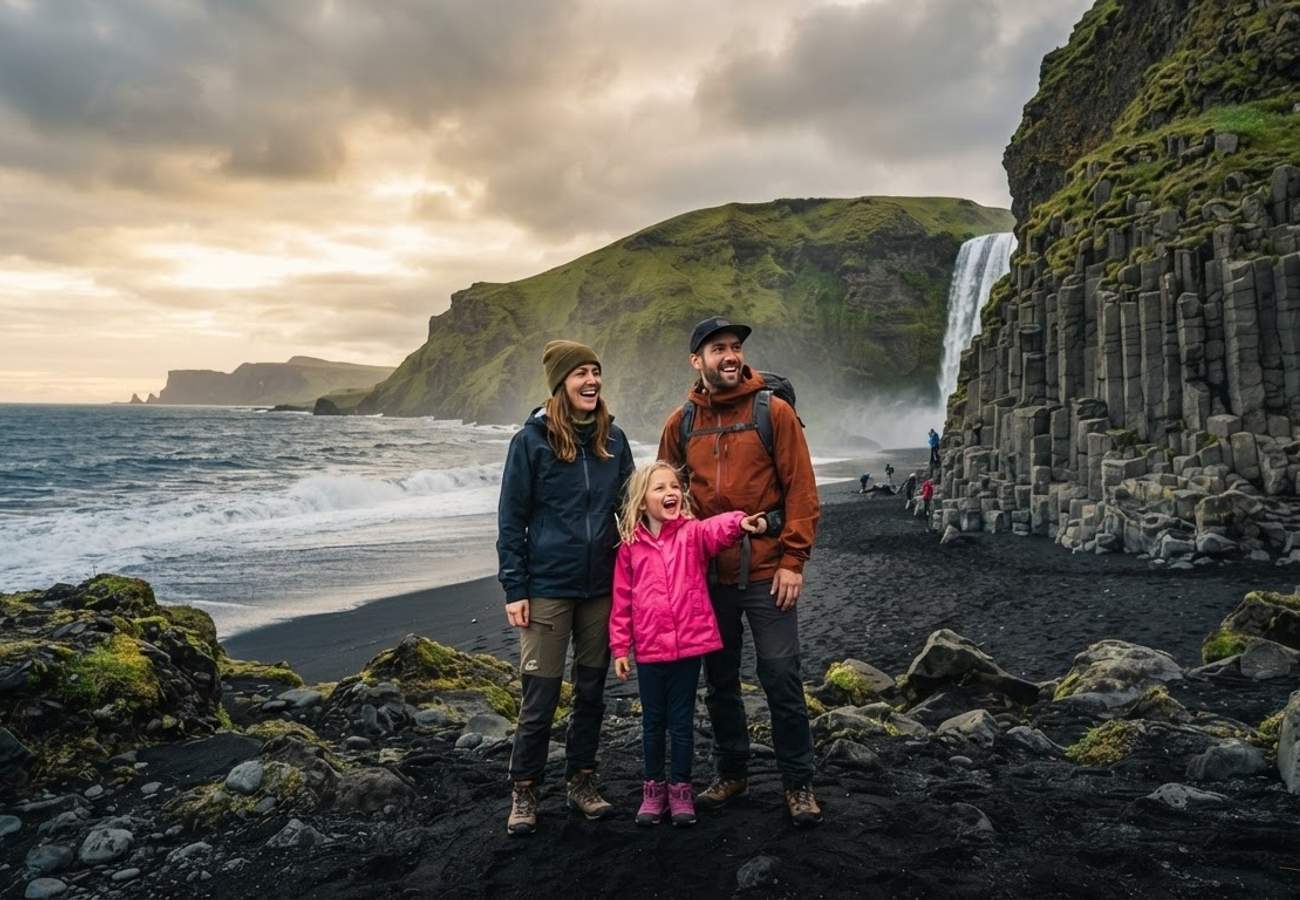
Image generated by AI
Iceland is witnessing a rapid ascent as a primary summer destination, with booking volumes climbing 47% year-over-year. This surge signals a systemic shift in European travel behavior known as "coolcationing," where travelers prioritize temperate climates over traditional Mediterranean sun-seeking.
While heavyweights like Spain, Italy, and France maintain the highest total visitor volumes, the growth trajectory is shifting north. Extreme heatwaves across Southern Europe are transforming weather from a secondary consideration into a primary driver of destination selection.
The Rise of the Coolcation
Coolcationing describes a deliberate travel choice to visit high-latitude regions to escape lethal summer temperatures. Iceland, with average summer temperatures between 10°C and 15°C, has become the primary beneficiary of this trend.
Industry observers note that travelers are no longer merely seeking "sunshine," but are instead prioritizing "outdoor comfort." This shift is evident in the increased demand for Iceland's glaciers, volcanic terrains, and geothermal wellness sites, which offer a stark contrast to the oppressive heat currently recorded in Mediterranean hubs.
Logistics and Infrastructure
Most international arrivals flow through Keflavík International Airport. From there, the infrastructure supports a highly mobile tourist base:
- Primary Transit: Rental cars and shuttle buses remain the dominant transport methods.
- Domestic Connectivity: Flights link Reykjavík to northern hubs like Akureyri and Egilsstaðir.
- Regional Access: The Ring Road serves as the central artery for accessing the South Coast, Snæfellsnes Peninsula, and Jökulsárlón Glacier Lagoon.
- Key Proximities: The Blue Lagoon is located approximately 20 km from Keflavík Airport, while Reykjavík sits roughly 50 km away.
Market Distribution: North vs. South
Despite the surge in the north, southern Europe remains the volume leader. Major aviation hubs—including Paris Charles de Gaulle, Rome Fiumicino, and Barcelona-El Prat—continue to process millions of passengers.
However, market trends suggest a change in itinerary composition. Rather than spending an entire fortnight in a heat-stressed city like Madrid or Rome, travelers are increasingly blending short Mediterranean city breaks with extended stays in cooler regions.
Critical Summer 2026 Metrics
| Metric | Data Point |
|---|---|
| Iceland Summer Booking Increase | 47% (YoY) |
| Average Iceland Summer Temp | 10°C to 15°C |
| Primary Gateway | Keflavík International Airport |
| Distance: Airport to Reykjavík | ~50 km |
| Distance: Airport to Blue Lagoon | ~20 km |
Why This Matters: The Industry Implication
The 47% spike in Iceland's bookings is not a random fluctuation; it is a climate-driven market correction. For decades, the European summer travel industry operated on a "Sun and Beach" monoculture. The emergence of coolcationing indicates that thermal comfort is now a competitive advantage.
Aviation and hospitality sectors are reacting by redistributing capacity. Airlines are increasing flight frequencies to Northern Europe during the traditional "peak" summer window. Simultaneously, tour operators are diversifying portfolios to include Scotland, Norway, and Finland, effectively hedging their bets against the volatility of Southern European heatwaves. This represents a fundamental decoupling of "Summer Holiday" from "Hot Weather."
Forward Outlook
Expect a permanent shift in seasonal demand. As heatwaves become more frequent, the "shoulder seasons" in the south may become the new peak, while the northern summer will see sustained growth. Iceland is likely to accelerate investment in sustainable tourism infrastructure to manage this influx without compromising its fragile volcanic ecosystems.
The era of the mandatory Mediterranean summer is ending; the age of the coolcation has arrived.
Related Travel Guides
Disclaimer
This article is for informational and educational purposes only. It does not constitute legal, financial, or professional advice. While we strive to provide accurate and up-to-date information, travel policies, regulations, and conditions change rapidly. Always verify information with official sources before making travel decisions. Nomad Lawyer makes no representations about the accuracy, reliability, completeness, or suitability of the information provided. Readers should consult qualified professionals for advice specific to their circumstances. The views expressed in this article are those of the author and do not necessarily reflect the views of Nomad Lawyer.
Preeti Gunjan
Contributor & Community Manager
A passionate traveller and community builder. Preeti helps grow the Nomad Lawyer community, fostering engagement and bringing the reader experience to life.
Learn more about our team →