
Italy, Japan, Thailand and Mexico Lead Global Culinary Tourism Trends for 2026 with Heritage-Driven Dining
Analysis of the 2026 global culinary tourism landscape reveals Italy, Japan, Thailand, and Mexico as primary drivers of food-centric travel, leveraging regional heritage to attract international visitors.

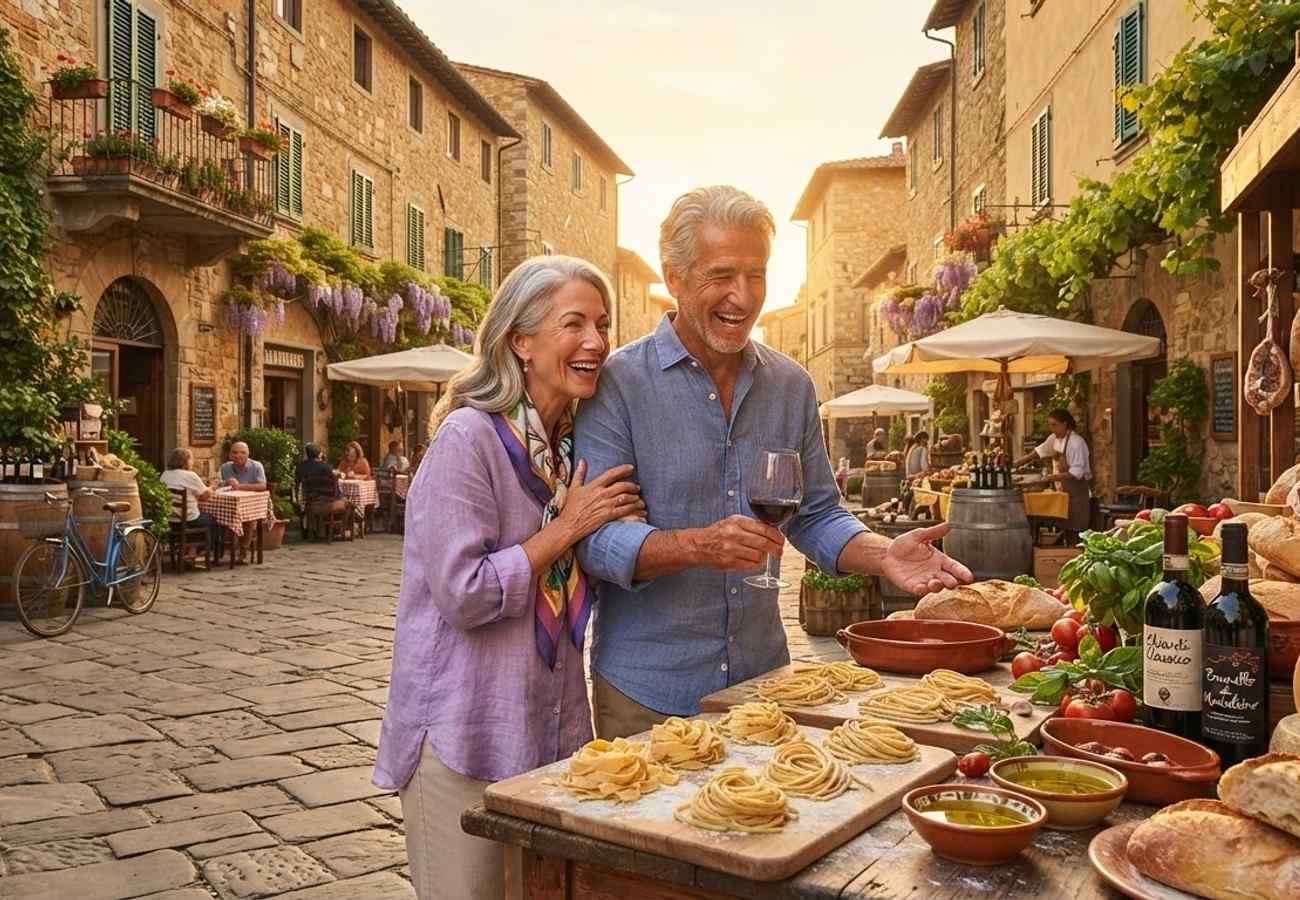
Image generated by AI
Culinary identity has evolved into a primary driver for international travel, with destinations now leveraging traditional recipes and ancestral cooking methods as core tourism assets.
Modern travelers are increasingly bypassing traditional sightseeing in favor of immersive gastronomic experiences. This shift is characterized by a demand for authentic engagement with local markets, family-operated eateries, and regional food festivals.
Global Culinary Strength Analysis
Current data indicates a concentrated preference for destinations that successfully blend historical preservation with accessible dining experiences. The following table outlines the primary culinary strengths of leading global destinations.
| Country | Culinary Strength | Key Food Experiences |
|---|---|---|
| Italy | Mediterranean Tradition | Pasta, pizza, regional wines |
| Japan | Precision & Heritage | Sushi, ramen, kaiseki dining |
| Thailand | Balanced Flavors | Curry, noodles, street food |
| Mexico | Ancient Traditions | Tacos, mole, indigenous cuisine |
| France | Gastronomic Excellence | Fine dining, professional pastries |
| India | Regional Diversity | Spices, curries, traditional dishes |
| Peru | Indigenous Fusion | Ceviche, Andean ingredients |
| Greece | Mediterranean Health | Seafood, olive oil-based cuisine |
| Türkiye | Historic Crossroads | Kebabs, meze, Ottoman desserts |
Regional Breakdown of High-Impact Destinations
Italy: The Regional Empire
Italy's dominance is rooted in its fragmented culinary identity. Rather than a single national style, the country operates as a collection of regional kitchens. Northern regions focus on rich risottos and alpine cheeses, while the South emphasizes seafood, olive oil, and the origins of pizza.
- Naples: Center for traditional pizza.
- Bologna: Hub for fresh pasta traditions.
- Tuscany: Focus on wine and farm-to-table cuisine.
- Sicily: Mediterranean seafood influence.
Japan: Precision and Seasonality
Japanese tourism is heavily influenced by the concept of craftsmanship. Travelers gravitate toward the contrast between high-end Michelin-starred establishments in Tokyo and Kyoto and the accessibility of regional comfort foods.
- Sushi: High-level seafood craftsmanship.
- Ramen: Diverse regional variations.
- Kaiseki: Traditional multi-course dining.
- Markets: Direct access to seasonal local ingredients.
Thailand: The Street Food Capital
Thailand remains a leader in affordable, high-impact culinary tourism. The focus is on the balance of five key flavors: sweet, salty, spicy, sour, and bitter.
- Street Food: Pad Thai and grilled seafood in night markets.
- Northern Influence: Khao soi specialities.
- Central/Southern: Diverse curries and spicy coastal recipes.
Mexico: Indigenous Preservation
Mexico utilizes its ancient agricultural history—specifically the use of maize and chillies—to maintain a distinct global identity.
- Oaxaca: Renowned for mole and traditional cooking.
- Yucatán: Maya-inspired culinary techniques.
- Baja California: Specialized seafood cuisine.
- Mexico City: High-density street food culture.
Passenger Rights & Advisory: Culinary Travel Safety
When traveling for culinary purposes, passengers should be aware of specific health and consumer protections. While aviation regulations (like EU261) cover the journey, the "on-the-ground" experience requires different precautions.
Health and Safety Guidelines:
- Food Safety: In regions with high street-food density (Thailand, Mexico, India), travelers should prioritize vendors with high turnover and visible heat-treatment of proteins to avoid gastrointestinal disruptions.
- Allergies: Always carry a translated "allergy card" in the local language. In Japan and Italy, specific dietary restrictions (celiac or severe nut allergies) are handled professionally, but small family-run shops may require written documentation.
- Insurance: Ensure travel insurance includes "Emergency Medical Evacuation" and covers food-borne illnesses.
Rebooking and Disruption Rights: If your travel is specifically for a time-sensitive culinary event (e.g., a regional festival or a prepaid high-end tasting menu), be aware that airlines are generally not liable for "consequential losses" (the cost of a missed dinner reservation). However:
- EU261/2004 & UK261: If your flight is cancelled or delayed over 3 hours, you are entitled to care (meals and refreshments) and potential compensation, regardless of your destination's culinary appeal.
- DOT Guidelines: For US-based flights, you are entitled to a full refund if the carrier cancels your flight, regardless of the reason.
Industry Analyst View: The Operational Shift
From an operational perspective, the rise of "food-first" travel is forcing a shift in how tourism boards and airlines market their destinations. We are seeing a move away from "City Break" packages toward "Gastronomy Circuits."
This trend supports local economies by diverting tourist spend from centralized hotel chains to independent farmers and community-run markets. For the aviation industry, this manifests in increased demand for secondary airports that provide closer access to rural culinary hubs (e.g., flying into Bologna instead of Milan).
Culinary tourism is no longer a niche market; it is the primary lens through which the modern traveler experiences cultural identity.
Related Travel Guides
Disclaimer
This article is for informational and educational purposes only. It does not constitute legal, financial, or professional advice. While we strive to provide accurate and up-to-date information, travel policies, regulations, and conditions change rapidly. Always verify information with official sources before making travel decisions. Nomad Lawyer makes no representations about the accuracy, reliability, completeness, or suitability of the information provided. Readers should consult qualified professionals for advice specific to their circumstances. The views expressed in this article are those of the author and do not necessarily reflect the views of Nomad Lawyer.
Raushan Kumar
Founder & Lead Developer
Full-stack developer with 11+ years of experience and a passionate traveller. Raushan built Nomad Lawyer from the ground up with a vision to create the best travel and law experience on the web.
Learn more about our team →