
White House Proposes Ban on Pregnant Foreign Nationals Following Trump v. Barbara Ruling 2026
The U.S. administration is proposing aggressive new restrictions to bar pregnant foreign travelers from entering the United States to combat birth tourism after a Supreme Court defeat.

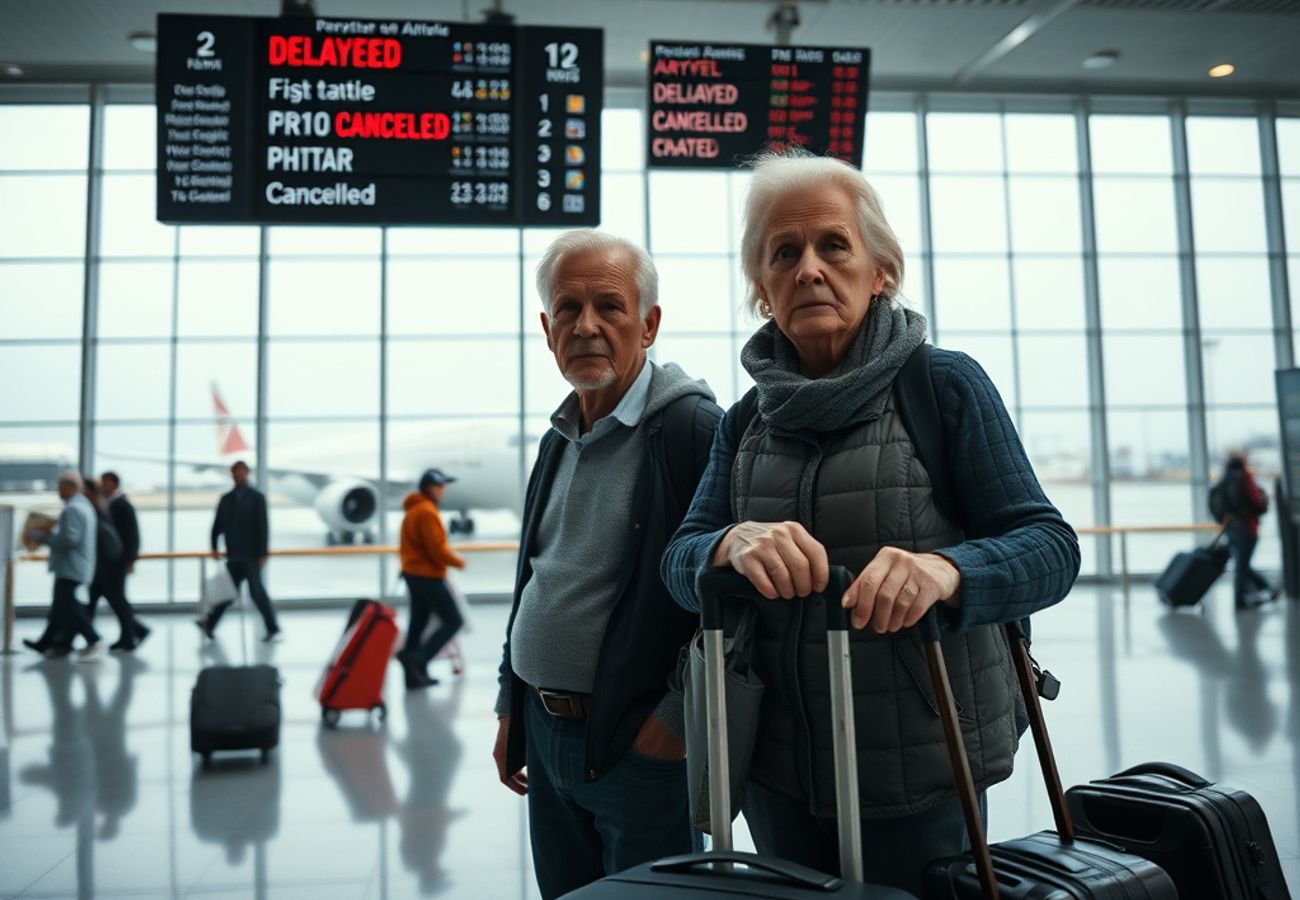
Image generated by AI
The U.S. administration is moving toward an aggressive administrative strategy to block pregnant foreign nationals from entering the country to prevent "birth tourism." This pivot follows a significant judicial setback regarding citizenship rights.
Federal authorities are currently targeting a legal loophole that allows foreign nationals to secure U.S. citizenship for their children via birth on domestic soil. This shift in policy transforms standard airport terminals and consular offices into high-friction zones for expectant mothers.
The Legal Catalyst: Trump v. Barbara
The current administrative pivot is a direct response to the U.S. Supreme Court's decision in Trump v. Barbara. In a 6-3 vote, the Court rejected the executive branch's attempt to strip automatic citizenship from children born in the U.S. to non-permanent residents.
Because the administration cannot legally alter the Fourteenth Amendment's interpretation of birthright citizenship, the Department of Justice (DOJ) and Department of Homeland Security (DHS) have shifted their focus to the "front end" of the process: visa issuance and border entry.
Enforcement Strategy and Federal Directives
Acting Attorney General Todd Blanche has signaled a zero-tolerance approach toward organized birth tourism networks. Internal federal memos now instruct prosecutors to pursue fraud charges against travelers who misrepresent the purpose of their visit.
Key administrative figures have provided the following justifications for the crackdown:
- Stephen Miller: Argues that the current system allows individuals to utilize U.S. medical and economic infrastructure to secure citizenship.
- Markwayne Mullin (DHS Secretary): Labels the practice a national security risk, citing concerns that children raised under foreign ideologies could later access U.S. universities and compromise intellectual property.
Targeted Enforcement Actions
The State Department has already begun dismantling organized "coaching" networks. Recent operations include:
- The shutdown of a sophisticated network in West Africa using fraudulent documents.
- Visa revocations across Europe and North Africa targeting companies providing "delivery packages" and illicit housing.
Critical Impact on International Travelers
Travelers applying for B-1 or B-2 tourist visas will face intensified scrutiny. Border patrol agents now have expanded latitude to determine if a traveler's physical state (specifically those in their third trimester) aligns with their stated travel duration and purpose.
Required Documentation for Expectant Mothers
To mitigate the risk of entry denial or permanent travel bans, industry observers recommend the following:
- Medical Clearances: Official travel clearance from a primary physician.
- Financial Proof: Evidence of sufficient funds to cover all emergency medical costs without relying on U.S. public welfare.
- Verified Itineraries: Confirmed round-trip flight tickets and a detailed return plan.
- Full Disclosure: Absolute transparency regarding medical status during consular interviews.
Birth Tourism Data and Legal Friction
The administration's aggressive stance contrasts with available statistical data. The Center for Immigration Studies indicates that these births account for less than 1% of annual U.S. totals.
Legal analysts from the Migration Policy Institute warn that a blanket ban based on medical conditions would likely face immediate constitutional challenges and could be viewed as systemic discrimination.
Why This Matters: Industry Implication
This development marks a transition from "policy-based" immigration control to "physical-based" screening. By targeting the biological state of the traveler, the U.S. government is attempting to achieve via administrative discretion what it failed to achieve via judicial decree.
For the aviation and travel industry, this creates a high-risk environment for "denied boarding" scenarios. Airlines may face increased pressure to vet passengers or deal with more frequent deportations at the gate, increasing operational friction at major U.S. hubs. It also signals a broader trend where medical status is now a primary metric for national security screening.
Forward Outlook
Expect a surge in litigation as the first wave of "third-trimester" denials reaches the courts. Travelers should anticipate that B-1/B-2 visa processing times for women from high-risk regions (West Africa, North Africa, and parts of Europe) will increase due to enhanced vetting. Until a formal legislative change occurs, the "physical assessment" at the border remains the administration's primary tool for enforcement.
The intersection of medical privacy and national security is now the new frontier of U.S. border control.
Related Travel Guides
Disclaimer
This article is for informational and educational purposes only. It does not constitute legal, financial, or professional advice. While we strive to provide accurate and up-to-date information, travel policies, regulations, and conditions change rapidly. Always verify information with official sources before making travel decisions. Nomad Lawyer makes no representations about the accuracy, reliability, completeness, or suitability of the information provided. Readers should consult qualified professionals for advice specific to their circumstances. The views expressed in this article are those of the author and do not necessarily reflect the views of Nomad Lawyer.
Preeti Gunjan
Contributor & Community Manager
A passionate traveller and community builder. Preeti helps grow the Nomad Lawyer community, fostering engagement and bringing the reader experience to life.
Learn more about our team →