
Food Tourism: Dolomites Krapfen Craze Sparks Overtourism Debate
A viral krapfen doughnut at Friedrich August Refuge has triggered a micro-overtourism debate in Italy's Val di Fassa region at 2,300 meters.

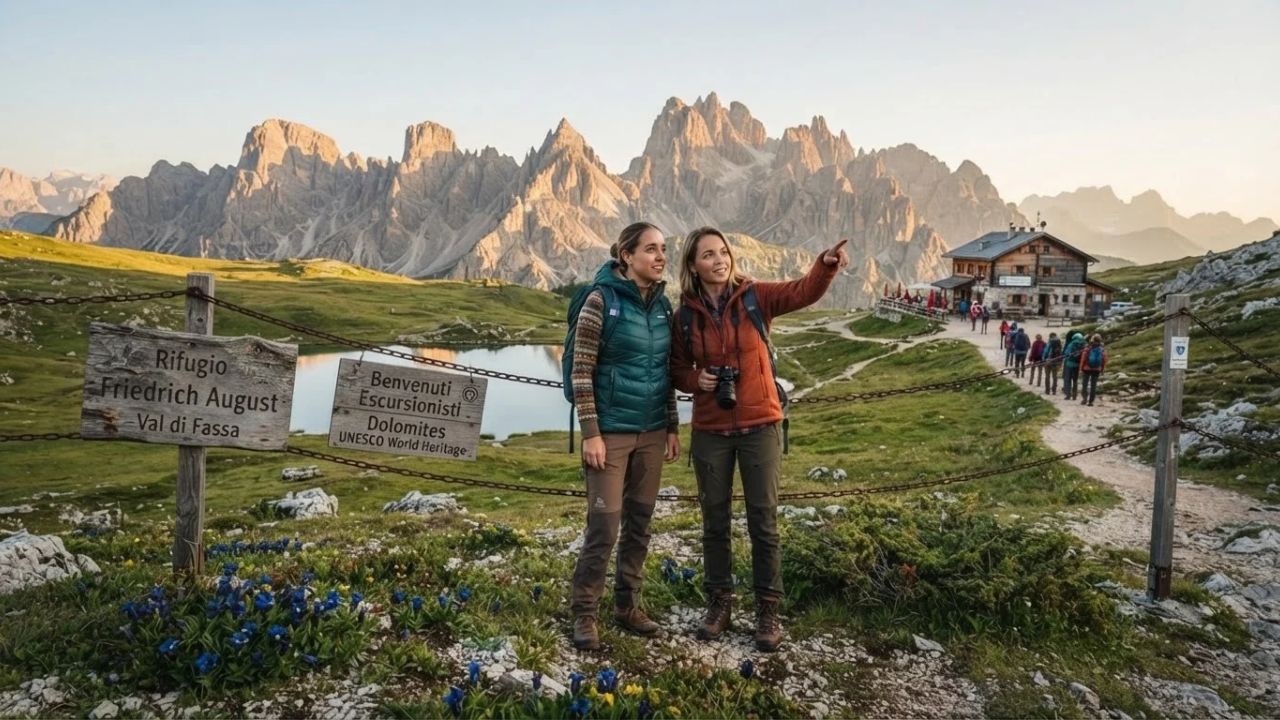
Image generated by AI
A viral krapfen doughnut at Friedrich August Refuge has triggered a micro-overtourism debate in Italy's Val di Fassa region at 2,300 meters. The surge in visitors has focused attention on the impact of social media algorithms on remote communities.
The Emergence of Micro-Overtourism in Nature Preserves
A major trend in European travel is the rise of food-driven micro-overtourism, where a single viral product turns a remote location into a crowded tourist hotspot. Historically, overtourism occurred in major cities, historic centers, or coastal beaches with developed infrastructure (such as Venice or Barcelona). In 2026, social media platforms redirect crowds to specific coordinates in fragile ecosystems, including alpine huts and wilderness trails.
By concentrating thousands of visitors at a single point, viral trends create waste, traffic, and safety challenges. This shift requires destination managers to monitor digital platforms before physical crowding occurs, protecting local character and the natural environment.
The Dolomites Doughnut Phenomenon and Val di Fassa
The krapfen craze has transformed a traditional hiking stop into a viral destination:
- The Hub: The Friedrich August Refuge, located in the Val di Fassa region of northern Italy's Trentino region at an altitude of 2,300 meters.
- The Pastry: The krapfen, a German-style filled doughnut priced at €3 – 4 (specifically between €3 and €4).
- The Queue: Social media videos showing the vanilla-filled pastry against the Sassolungo and Sasso Piatto peaks drew lines of up to 300 hikers.
- UNESCO Status: The Dolomites were recognized as a UNESCO World Heritage Site in 2009 for their geological and aesthetic value.
- Other Viewpoints: Similar crowding has affected the Santa Maddalena church area in Val di Funes, highlighting a pattern of visual concentration.
This development demonstrates how digital algorithms act as destination managers, shaping visitor habits.
Traditional Hiking vs. Viral Destination Tourism
The table below contrasts the patterns of traditional mountain hiking with the behavior created by viral food tourism:
| Category | Sustainable Mountain Tourism | Viral Tourism Pressure |
|---|---|---|
| Visitor Motivation | Nature, hiking & environmental learning | Trending content & online views |
| Travel Pattern | Distributed across seasons & trails | Concentrated at one hut / viewpoint |
| Economic Impact | Benefits wider valley communities | Benefits a single business node |
| Environmental Impact | Low pressure on park infrastructure | High risk of trail & waste damage |
| Local Experience | Quiet interaction with alpine heritage | Crowded queue of up to 300 hikers |
| Long-Term Effect | Protects the UNESCO designation | Reduces destination uniqueness |
This comparison highlights the challenge of balancing popularity with environmental protection.
Dolomites Food Tourism Coordinates
The table below organizes the geographical location, local asset, altitude, product cost, key peaks, and primary managing bodies:
| Target Refuge Hub | Alpine Region Location | Primary Culinary Asset | Altitude Coordinate | Average Product Cost | Primary Scenic Backdrop | Primary Coordinating Association |
|---|---|---|---|---|---|---|
| Friedrich August | Val di Fassa (Trentino) | Traditional krapfen | 2,300 meters | €3 – 4 (doughnut) | Sassolungo & Sasso Piatto | UNESCO Dolomites Foundation |
| Mountain refuge hut | Northern Italy Alps | Alpine krapfen pastries | High Sierra pass | Small pastry price | Santa Maddalena (Funes) | South Tyrol Alpine Club (AVS) |
These coordinates outline the refuges, regions, assets, altitudes, costs, backdrops, and associations established for the alpine travel sector.
Resource Stewardship and Responsible Alpine Travel
For the traveler, the benefit of choosing lesser-known hiking trails is the reduction of human pressure on high-altitude soil and water systems. Staying in regional valley villages and dining at diverse mountain huts ensures that tourism income supports family businesses across Trentino-Alto Adige.
Additionally, carrying out all personal waste preserves alpine ecosystems from plastic pollution. Following safety guidelines for mountain weather prevents emergency service calls in remote passes.
For comparison, you can explore the changing dynamics of Stimulus Launch: Taiwan Unveils Billion-Dollar Repeat Visitor Rewards to see how destinations promote visitor spend. For transit updates, comparing travel scheduling matches other networks, such as Conservation Policy: Fifteen Restricted Sites Sealed to Tourists updates. This trend is similar to the tourism growth seen in other destinations, as detailed in our guide on how Utica, New York Emerges as an Affordable Northeast Tourism Hub.
Visitor Insider Tips: Responsible Stays in the Dolomites
If you are planning a trip to the Dolomites, keep these practical tips in mind:
- Explore Lesser-Known Trails: Hike trails in South Tyrol or Friuli Venezia Giulia to avoid crowds at viral viewpoints.
- Carry a Reusable Waste Bag: Pack out all plastic, wrappers, and trash; mountain refuges at 2,300 meters have limited waste services.
- Prepare for Alpine Weather: Check regional forecasts before starting your hike; mountain passes experience rapid temperature drops.
- Support Diverse Huts: Try traditional dishes like cheese, polenta, and local pastries at multiple refuges along your route.
- Visit Viewpoints at Off-Peak Hours: Visit popular spots like Val di Funes early in the morning or late in the afternoon to avoid the main crowds.
Long-Term Outlook for European Alpine Tourism
The long-term outlook for transit in the Dolomites is focused on introducing electric shuttle buses to trailheads, expanding reservation systems for parking, and implementing digital visitor caps at sensitive sites. As interest in mountain travel remains high, local authorities will cooperate to manage visitor numbers.
By protecting local heritage and supporting community markets, the travel sector aims to build a sustainable destination network.
FAQ
What is a krapfen?
A krapfen is a German-style filled doughnut popular in northern Italy, Austria, and Germany, traditionally served as a mountain breakfast.
What is micro-overtourism?
It is a phenomenon where a specific, small location or experience suddenly receives visitor numbers far beyond its capacity due to viral social media attention.
Where is the Friedrich August Refuge located?
The refuge is located in the Val di Fassa region of Trentino, northern Italy, at an altitude of 2,300 meters.
When were the Dolomites designated a UNESCO World Heritage Site?
The Dolomites were recognized as a UNESCO World Heritage Site in 2009 for their exceptional geological importance and landscape value.
Stay updated on the regional travel regulations and environmental policies shaping Italian tourism.
Related Travel Guides
Disclaimer
This article is for informational and educational purposes only. It does not constitute legal, financial, or professional advice. While we strive to provide accurate and up-to-date information, travel policies, regulations, and conditions change rapidly. Always verify information with official sources before making travel decisions. Nomad Lawyer makes no representations about the accuracy, reliability, completeness, or suitability of the information provided. Readers should consult qualified professionals for advice specific to their circumstances. The views expressed in this article are those of the author and do not necessarily reflect the views of Nomad Lawyer.
Raushan Kumar
Founder & Lead Developer
Full-stack developer with 11+ years of experience and a passionate traveller. Raushan built Nomad Lawyer from the ground up with a vision to create the best travel and law experience on the web.
Learn more about our team →