
Airline Airways Travelport Partnership Transforms Flight Booking with NDC Technology
ITA Airways and Travelport forge game-changing NDC deal in March 2026, reshaping how travelers book flights. Learn what this means for your next reservation.

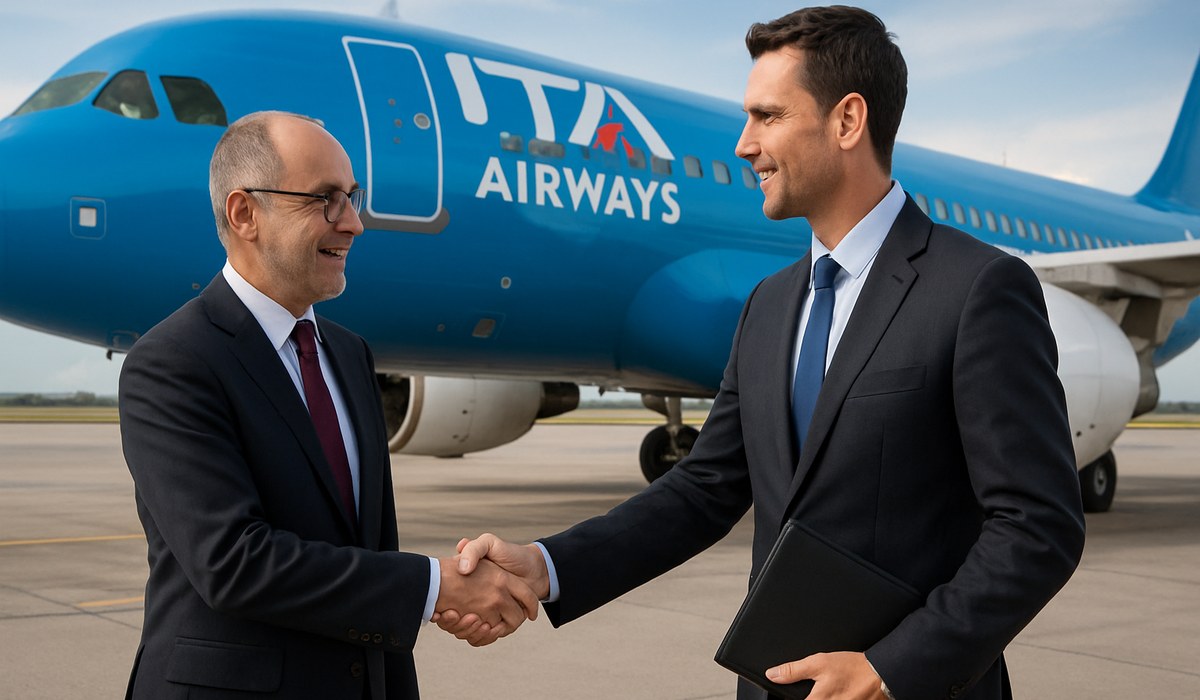
Image generated by AI
**> Quick Summary
- ITA Airways and Travelport announced a multi-year agreement to deploy next-generation NDC technology across global distribution channels
- The partnership eliminates reliance on decades-old GDS infrastructure, enabling direct airline-to-traveler data flow
- Passengers will gain access to real-time pricing, ancillary services, and personalized offerings not possible under legacy booking systems
- The deal represents a seismic shift in how the aviation industry sells tickets, with major carriers now forced to accelerate their own NDC rollouts**
What Is NDC Technology and Why Should You Care
The booking system that's powered your flight reservations since the 1980s is obsolete. Yet most travelers still use it every single day without knowing it exists.
NDC—New Distribution Capability—is an International Air Transport Association (IATA) standard that replaces Global Distribution Systems (GDS), the middlemen that have controlled airline ticket sales for four decades. Think of it as replacing telegraph operators with direct telephone lines. Airlines can now speak directly to travel agencies and consumers, bypassing the gatekeepers entirely.
Under the old GDS model, airlines send limited flight data to intermediaries like Sabre, Amadeus, and Galileo, which package and resell it. These systems show only basic information: departure time, duration, price. They can't display what seat you'll get, whether baggage is included, or whether a faster route exists on the same airline. Ancillary revenue—the billions airlines earn from seat selection, baggage fees, and premium cabin upgrades—remains hidden from booking platforms.
NDC flips this entirely. Airlines transmit rich, dynamic content directly. You see everything: seat maps, real-time price changes based on demand, meal options, loyalty program benefits, and bundled packages. It's comparable to the difference between ordering from a catalog versus browsing a live inventory system online.
For travelers, this means transparency. For airlines, it means control over how their product is presented and priced. For the travel industry, it means a reckoning that's been delayed for fifteen years.
ITA Airways and Travelport: A Game-Changing Partnership
Alitalia's successor carrier, ITA Airways, and distribution platform Travelport have committed to a comprehensive multi-year agreement that accelerates NDC adoption across European and global markets. The partnership represents one of the most significant technology modernizations in commercial aviation since the introduction of computerized reservations systems.
Under this arrangement, ITA Airways will migrate its entire inventory—every flight, every seat class, every ancillary service—onto Travelport's NDC platform. This includes connections through partner carriers and interline agreements. Travelport, which serves over 500,000 travel agents and 190 countries, will redistribute this content through both traditional and digital-first channels, ensuring ITA Airways' flights reach corporate booking tools, leisure travel platforms, and metasearch engines simultaneously.
What distinguishes this deal from other NDC initiatives is scope and permanence. Airlines like United, American, and Lufthansa have already launched NDC experiments with select partners. ITA Airways is going all-in. The carrier is not maintaining a parallel GDS distribution channel—it's replacing it. This signals to the market that NDC viability has shifted from "future state" to "operational reality."
The agreement also includes technology integration at the platform level. ITA Airways' revenue management systems, inventory controls, and business intelligence tools will link directly to Travelport's infrastructure, eliminating data delays that plagued older integrations. When ITA Airways runs a flash sale or adjusts seat inventory due to aircraft changes, Travelport's system reflects it within seconds, not hours.
How NDC Changes Your Next Flight Booking
Your immediate experience will depend on which platform you use to book. Corporate travelers using Amex Global Business Travel or travel management companies will see changes first. Leisure travelers booking through Google Flights, Kayak, or Expedia will experience updates within months.
Here's what transforms:
Bundled Offerings. Instead of selecting a base fare and then adding selections à la carte, you'll see pre-bundled products: "Basic Economy with Checked Bag," "Premium Economy Plus Meal," "Business Class with Lounge Access." Airlines have experimented with this, but NDC enables dynamic bundling based on your travel history, seat preferences, and loyalty status.
Real-Time Seat Visibility. Rather than a generic seat map showing "Economy" sections, you'll see every available seat, its width, whether it reclines, proximity to lavatories, and price differential. Premium economy seat 2A costs €80 more than 28F. Today's systems don't permit this granularity.
Ancillary Transparency. Want to know baggage, seat, meal, and lounge pricing before confirming? NDC shows all of it. No more surprises at online check-in.
Personalized Recommendations. Using AI-driven travel platforms similar to Alibaba's innovations, booking engines will suggest cabin upgrades, seat selections, and ground services tailored to your route history and preferences. A frequent Milan-to-Rome flyer might receive notifications about premium seating upgrades specific to that route.
Live Availability Across Airlines. Travelport's integration means you'll see ITA Airways flights alongside partner airlines in a single search result, with unified pricing and terms. No more hopping between carrier websites.
For luxury travelers seeking premium experiences, NDC unlocks white-glove distribution. High-yield passengers receive exclusive fares, dedicated booking lines, and service bundles unavailable through standard channels. Airlines can now distinguish between a leisure family and a corporate road warrior booking identical flights.
The Airline Industry Battle: NDC vs. Legacy Systems
The ITA Airways-Travelport agreement will force a reckoning among carriers still reliant on GDS distribution.
Sabre, Amadeus, and Galileo collectively process over 80% of airline bookings globally. Their revenue model depends on transaction fees—money airlines pay for each reservation processed. NDC threatens this model. When airlines sell directly through NDC channels, GDS operators lose transaction revenue. Sabre and Amadeus have responded by acquiring or partnering with NDC platforms, essentially hedging their own obsolescence.
Yet legacy GDS vendors retain enormous power. Smaller carriers and regional airlines still depend on them because NDC integration requires technology investment many cannot afford. Travelport's role becomes critical: it serves as a bridge, translating NDC content from modernized airlines into formats usable by agencies still running older systems.
Airlines themselves remain split. Flag carriers like Lufthansa, Air France-KLM, and British Airways have launched NDC programs but maintain GDS distribution as primary channels. They're managing both, waiting for the market to tip. ITA Airways' commitment suggests that patience has expired. By fully committing to NDC, the Italian carrier gains competitive advantage: better pricing flexibility, richer product presentation, and margin preservation that GDS-dependent rivals cannot match.
The geographic angle matters too. European Union competition authorities scrutinize GDS gatekeeping power, viewing it as anticompetitive. The European Commission has pressured airlines to adopt distribution alternatives. ITA Airways'
Disclaimer
This article is for informational and educational purposes only. It does not constitute legal, financial, or professional advice. While we strive to provide accurate and up-to-date information, travel policies, regulations, and conditions change rapidly. Always verify information with official sources before making travel decisions. Nomad Lawyer makes no representations about the accuracy, reliability, completeness, or suitability of the information provided. Readers should consult qualified professionals for advice specific to their circumstances. The views expressed in this article are those of the author and do not necessarily reflect the views of Nomad Lawyer.
Kunal K Choudhary
Co-Founder & Contributor
A passionate traveller and tech enthusiast. Kunal contributes to the vision and growth of Nomad Lawyer, bringing fresh perspectives and driving the community forward.
Learn more about our team →