
United Airlines Restores Denver-Moab Route After Nearly Two Years, Signaling Recovery in Regional Air Service
Breaking airline news and aviation industry updates for 2026.

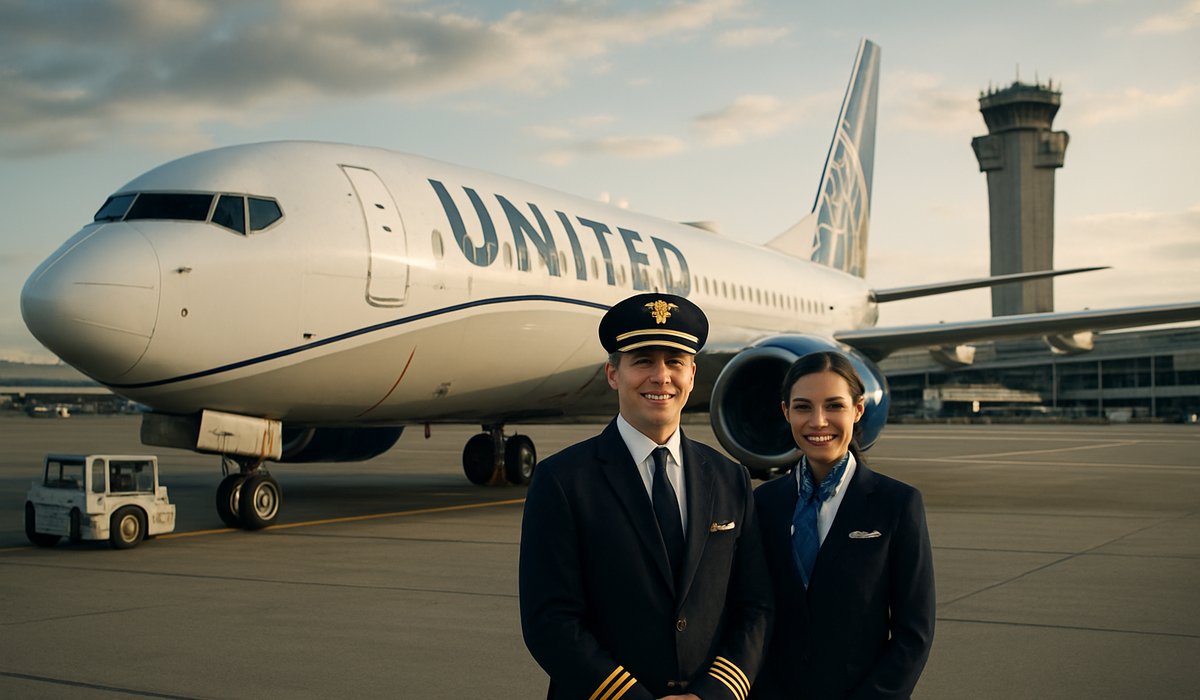
Image generated by AI
United Airlines Restores Denver-Moab Route After Nearly Two Years, Signaling Recovery in Regional Air Service
The carrier's return to Canyonlands Regional Airport reflects broader industry shift toward underserved leisure destinations
Major Carrier Rebuilds Regional Connectivity
United Airlines is officially reinstating nonstop flights between Denver International Airport and Canyonlands Regional Airport in Moab, Utah, ending a nearly two-year service gap that began in early 2024. The relaunch, set for October, marks a strategic pivot by the carrier to recapture market share in a high-value leisure tourism corridor that has become increasingly competitive among U.S. airlines.
The move underscores a broader industry trend: major carriers are reassessing their regional route networks following pandemic-era consolidations and post-recovery capacity decisions. Moab, home to world-renowned outdoor recreation sites including Arches and Canyonlands National Parks, represents a lucrative market for airlines seeking to diversify beyond traditional hub-and-spoke business travel models.
Why the Route Matters for the Aviation Sector
United's decision to restore Denver-to-Moab service signals confidence in leisure travel demand despite ongoing pressures from elevated jet fuel prices and persistent airline fees that continue to burden travelers. The route's reinstatement also reflects Utah's resurgence as a key tourism destination, driving demand for convenient air access.
Industry analysts note that regional carriers and legacy airlines have been strategically expanding into smaller markets where low-cost competitors have limited presence. This creates opportunities for carriers like United to command pricing power while maintaining service quality standards.
Impact on Local Tourism and Passenger Experience
For Moab residents and visitors, the restoration eliminates the need for connecting flights through Denver, reducing total travel time and airport hassle. The direct service also strengthens economic ties between Colorado's Front Range metropolitan area and Utah's high-desert tourism economy.
The route's return comes as airlines navigate complex decisions about regional profitability, crew scheduling, and aircraft deployment. While baggage charges and ancillary fees have become standard revenue streams across the industry, convenient routing options like this nonstop connection may help carriers maintain customer loyalty in competitive leisure markets.
United's commitment to the Moab market—despite withdrawing two years earlier—demonstrates that route decisions often reflect tactical adjustments rather than permanent exits. The carrier's return capitalizes on sustained visitation growth to Utah's national parks and outdoor attractions.
What This Signals for Regional Aviation
The restoration of Denver-Moab service reflects cautious optimism within the aviation sector regarding regional route viability. As major carriers balance fleet utilization against fuel cost fluctuations and labor constraints, selectively returning to previously served markets allows them to test demand without excessive capital investment.
This development may encourage other carriers to reassess their regional networks, potentially leading to additional route announcements in underserved leisure markets throughout the Mountain West.
FAQ: United Airlines Route Expansion and Regional Air Travel
When does United Airlines resume service to Moab, Utah? Service is scheduled to resume in October, with nonstop flights connecting Denver International Airport (DEN) to Canyonlands Regional Airport (CNY).
Why did United Airlines stop flying to Moab in the first place? The carrier suspended the route in early 2024, though specific operational or demand-related factors were not publicly detailed. The reinstatement suggests improved market conditions have made the route viable again.
How does route restoration affect airline ticket prices and baggage fees? Increased competition on a route typically benefits consumers through competitive pricing, though ancillary fees like baggage charges remain standard across the industry and vary by airline and fare class.
What impact does jet fuel pricing have on regional route decisions? Elevated fuel costs influence airline profitability calculations for all routes. However, the Denver-Moab route's leisure tourism demand likely justifies the operational economics for United.
Are other airlines expanding service to Utah regional airports? Utah's national parks continue attracting record visitation, making regional airports attractive targets for expansion. Other carriers may announce similar service additions as demand data supports it.
Related Travel Guides
External Resources
Disclaimer
This article is for informational and educational purposes only. It does not constitute legal, financial, or professional advice. While we strive to provide accurate and up-to-date information, travel policies, regulations, and conditions change rapidly. Always verify information with official sources before making travel decisions. Nomad Lawyer makes no representations about the accuracy, reliability, completeness, or suitability of the information provided. Readers should consult qualified professionals for advice specific to their circumstances. The views expressed in this article are those of the author and do not necessarily reflect the views of Nomad Lawyer.
Preeti Gunjan
Contributor & Community Manager
A passionate traveller and community builder. Preeti helps grow the Nomad Lawyer community, fostering engagement and bringing the reader experience to life.
Learn more about our team →