
Israir El Al and Air Arabia Face 122 Flight Delays and 10 Cancellations Across Tel Aviv and Sharjah 2026
Travelers in the Middle East face significant disruption as Israir, El Al, and Air Arabia record 122 delays and 10 cancellations across Tel Aviv and Sharjah.

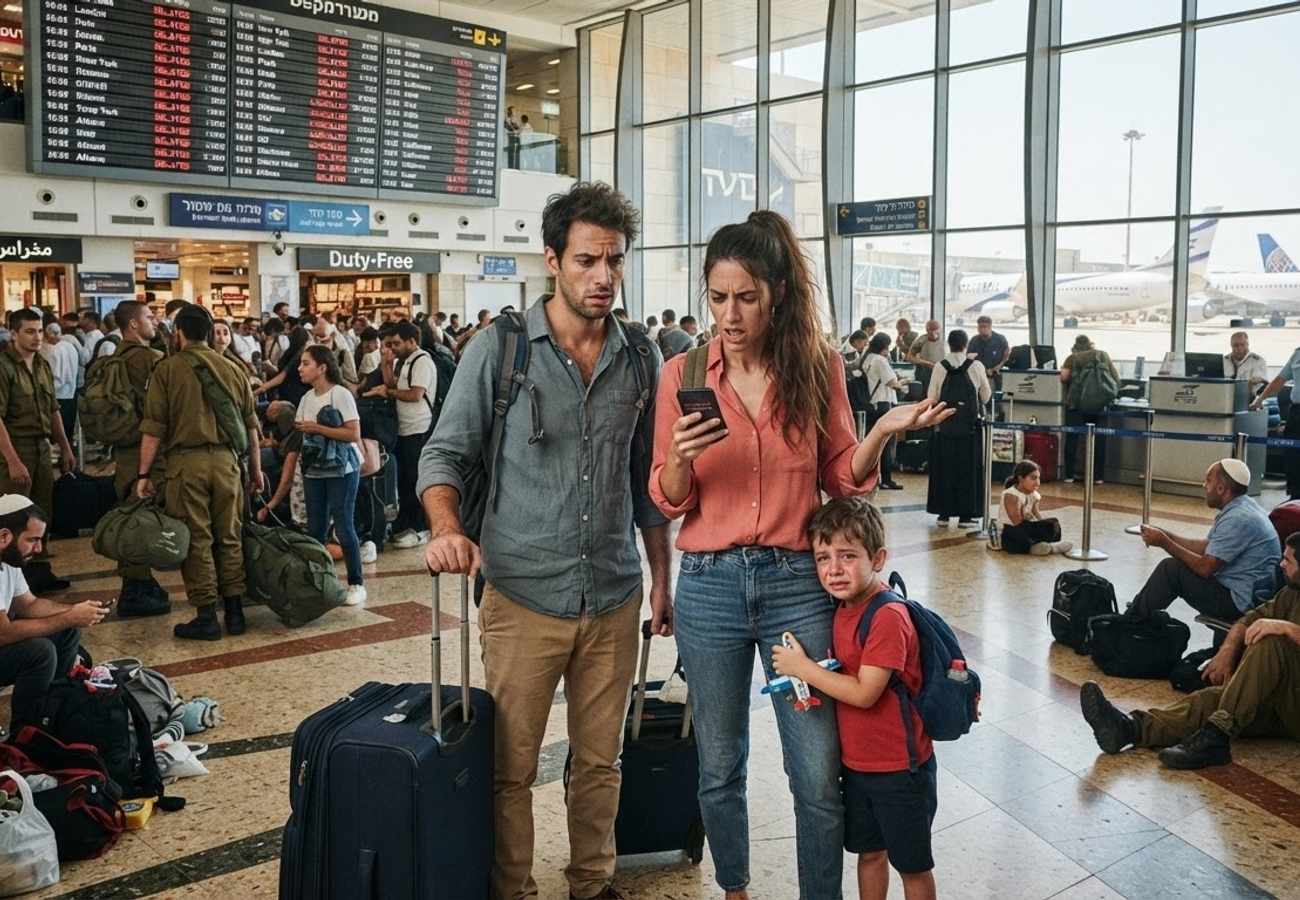
Image generated by AI
[Tel Aviv, July 6, 2026] — Aviation operations across the Middle East are currently experiencing significant volatility, with 10 flights cancelled and 122 departures delayed across three major carriers. The disruptions are centered on key hubs in Israel and the United Arab Emirates, specifically affecting passengers utilizing services from Israir, El Al, and Air Arabia.
The sudden spike in operational instability has led to crowded terminals and a surge of stranded passengers at Ben Gurion International Airport and Sharjah International Airport. As airlines struggle to stabilize their schedules, thousands of travelers are facing missed connections and prolonged waiting periods.
Operational Volatility at Tel Aviv and Sharjah Hubs
The current travel chaos is concentrated in two of the region's most critical aviation gateways. In Israel, Ben Gurion International Airport (TLV) has become a focal point of the disruption, with both the national carrier El Al and the private carrier Israir reporting a combination of scrapped flights and significant timing shifts.
Simultaneously, Sharjah International Airport (SHJ) in the United Arab Emirates is grappling with similar challenges. Air Arabia, the primary operator at the hub, has seen a portion of its flight manifest cancelled or pushed back, creating a ripple effect for passengers traveling throughout the Gulf region. Because these airports serve as primary conduits for both regional transit and international long-haul travel, the impact of these delays is magnified, affecting a diverse demographic of business and leisure travelers.
Detailed Breakdown of Flight Cancellations and Delays
Data derived from flight tracking sources indicates that while the number of total cancellations remains relatively low, the volume of delays is substantial. The instability is most pronounced at Ben Gurion International, where over half of Israir's scheduled operations were impacted by timing shifts.
The following data outlines the specific impact on the three affected carriers:
| Airport | Airline | Cancelled Flights | Delayed Flights |
|---|---|---|---|
| Ben Gurion Int’l | Israir | 4 | 44 |
| Ben Gurion Int’l | El Al | 2 | 49 |
| Sharjah Int’l | Air Arabia | 4 | 29 |
Analyzing the Scale of Middle East Aviation Disruptions
A closer look at the figures reveals that Israir suffered the most severe hit in terms of cancellations at Ben Gurion International Airport, with four flights removed from the schedule, representing approximately 4% of its planned operations. However, the delay metrics are more alarming; 44 flights—roughly 53% of the airline's scheduled activity—were delayed.
El Al also faced significant headwinds at the Tel Aviv hub. While the airline only cancelled two flights (1% of its schedule), it recorded the highest number of delays among the three carriers, with 49 flights pushed back, impacting 28% of its operations.
In the United Arab Emirates, Air Arabia experienced a more balanced but still disruptive pattern. Four flights were cancelled at Sharjah International Airport, accounting for 1% of its scheduled services, while 29 flights (13%) were delayed. When aggregated, the 132 total disrupted flights across these three airlines have created a bottleneck in regional air traffic, leading to a cascade of missed onward connections and revised itineraries.
Passenger Recovery Steps During Flight Chaos
Industry observers suggest that passengers caught in these disruptions should adopt a proactive approach to mitigate the stress of grounded travel. With terminals becoming increasingly crowded, the following steps are recommended for those navigating the current situation:
Real-Time Monitoring Travelers are urged to rely on digital notifications. Airline mobile applications, SMS alerts, and email updates provide the fastest route to rebooking confirmations. Checking the airline's official website for live flight status is more reliable than relying solely on airport departure boards.
Direct Communication Channels While airport service desks are the traditional point of contact, they are often overwhelmed during mass delays. Using online chat systems or telephone hotlines can sometimes bypass the physical queues at the terminal.
Understanding Passenger Rights It is essential for travelers to review the specific Terms and Conditions of their ticket. Depending on the jurisdiction—such as flights operating under EU regulations—passengers may be entitled to financial compensation or meal and hotel vouchers if the cancellation was within the airline's control.
Exploring Alternative Logistics If a carrier cannot provide a suitable rebooking window, passengers should investigate alternative airlines or ground transportation, such as rail or bus services, to reach their final destinations.
Why This Matters: The Fragility of Regional Aviation
The current situation involving Israir, El Al, and Air Arabia serves as a critical case study in the fragility of Middle Eastern aviation networks. The fact that only 10 cancellations could trigger a crisis involving 122 delays demonstrates a "domino effect" inherent in hub-and-spoke airline models. When a small number of aircraft are displaced or delayed, the subsequent rotations for those planes are pushed back, creating a backlog that affects hundreds of passengers.
Furthermore, the concentration of these disruptions in Tel Aviv and Sharjah highlights the strategic vulnerability of regional gateways. Any operational hiccup at Ben Gurion or Sharjah International doesn't just affect the local city; it disrupts the flow of traffic across the entire corridor between Europe, Asia, and the Gulf. For the modern traveler, this underscores the necessity of "buffer time" and flexible booking options in an era where operational stability can shift in a matter of hours.
Passengers are advised to maintain flexibility and verify all flight statuses before departing for the airport.
Related Travel Guides
Disclaimer
This article is for informational and educational purposes only. It does not constitute legal, financial, or professional advice. While we strive to provide accurate and up-to-date information, travel policies, regulations, and conditions change rapidly. Always verify information with official sources before making travel decisions. Nomad Lawyer makes no representations about the accuracy, reliability, completeness, or suitability of the information provided. Readers should consult qualified professionals for advice specific to their circumstances. The views expressed in this article are those of the author and do not necessarily reflect the views of Nomad Lawyer.
Kunal K Choudhary
Co-Founder & Contributor
A passionate traveller and tech enthusiast. Kunal contributes to the vision and growth of Nomad Lawyer, bringing fresh perspectives and driving the community forward.
Learn more about our team →