
ISKCON Launches Immersive Rasa Museum in Delhi with VR Technology
ISKCON unveils a groundbreaking 13,500 sq ft Rasa Museum in Delhi during its 60th anniversary. The immersive destination blends virtual reality, interactive storytelling, and spiritual heritage to attract modern cultural tourists to India's capital in 2026.

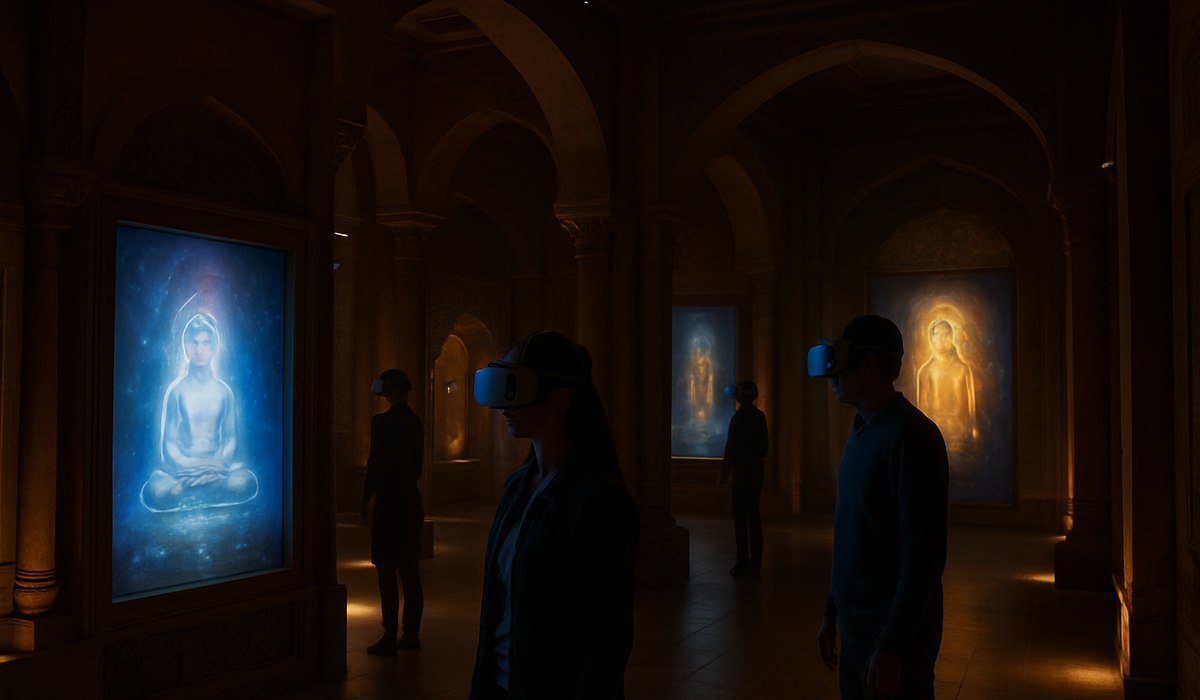
Image generated by AI
ISKCON Unveils Immersive Rasa Museum in Delhi
ISKCON has officially opened its redeveloped Rasa Museum at the East of Kailash temple in New Delhi, marking a significant milestone in spiritual and cultural tourism. The 13,500 square foot facility combines cutting-edge virtual reality technology with traditional storytelling to present India's sacred heritage through an immersive lens. Launched during the organization's 60th anniversary celebrations, this groundbreaking attraction aims to bridge ancient spirituality with contemporary visitor expectations, positioning Delhi as a premier destination for experiential cultural tourism.
What Is the Rasa Museum?
The Rasa Museum represents a bold reimagining of how spiritual institutions engage with modern audiences. Located within the ISKCON temple complex in East of Kailash, the museum transcends traditional exhibition models by integrating interactive installations, light and sound design, and virtual reality experiences. Visitors encounter curated narratives about Hindu philosophy, devotional practices, and the Krishna consciousness movement through multisensory environments.
The museum's architecture and design philosophy emphasize accessibility for international and domestic travelers. Rather than passive observation, guests actively participate in experiences that illuminate spiritual concepts. The 60th-anniversary renovation transformed the space into a contemporary cultural venue while maintaining reverence for ISKCON's foundational teachings. This approach demonstrates how heritage institutions can preserve authenticity while embracing technological innovation to attract diverse visitor demographics.
Immersive Technology and Experience Design
The ISKCON launches immersive Rasa Museum distinguishes itself through sophisticated integration of emerging technologies. Virtual reality stations transport visitors into scenes from Hindu scriptures, while synchronized light installations create atmospheric narratives throughout the exhibition. Interactive touchscreens provide contextual information available in multiple languages, supporting non-Hindi-speaking international tourists.
Sound design plays a crucial role in the visitor journey. The museum employs carefully composed musical scores and ambient soundscapes that guide emotional responses to spiritual content. Motion sensors activate installations as guests move through spaces, creating personalized, dynamic experiences. This technological sophistication appeals to digitally native travelers seeking Instagram-worthy moments alongside genuine cultural education.
The museum's design team consulted extensively with cultural historians and spiritual scholars to ensure educational integrity. Technology serves the narrative rather than dominating it—a deliberate curatorial choice that differentiates the Rasa experience from purely entertainment-focused attractions. Visitors report that the combination of sensory elements creates memorable, contemplative moments despite the high-tech environment.
Cultural Tourism Impact for Delhi
Delhi's tourism ecosystem has gained a significant new attraction with major implications for the city's positioning as a spiritual and cultural destination. The Rasa Museum complements existing heritage sites like Jama Masjid, Humayun's Tomb, and Raj Ghat, while offering something distinctly contemporary. This diversity strengthens Delhi's appeal to travelers seeking multifaceted cultural experiences beyond conventional historical monuments.
The museum's opening during the 60th-anniversary celebration generated substantial media attention, raising ISKCON's profile among leisure travelers planning Indian itineraries. Hotels, restaurants, and tour operators in the East of Kailash neighborhood report increased interest from tourists specifically seeking immersive cultural experiences. This concentration effect benefits the broader local economy while establishing new visitor traffic patterns within the city.
According to the Delhi Tourism Board, experiential cultural attractions are increasingly central to visitor decision-making. The Rasa Museum positions itself as an accessible entry point to Hindu spirituality and philosophy, addressing demand from secular and religiously curious travelers. This democratization of spiritual knowledge represents a significant shift in how India's heritage reaches global audiences, particularly younger demographics.
Visitor Experience and Accessibility
The museum prioritizes visitor comfort and inclusive design. Wheelchair accessibility throughout the 13,500 sq-foot facility ensures physical limitations don't restrict participation. Climate-controlled galleries maintain comfortable temperatures despite Delhi's challenging weather, critical for enjoyable extended visits. Guided tours are available in English, Hindi, Sanskrit, and regional Indian languages, with options for private groups and independent exploration.
Typical visitor journeys span 90 minutes to three hours depending on engagement depth. The museum offers flexible ticketing that accommodates quick visits or extended immersive sessions. Children's zones provide age-appropriate experiences, making the attraction family-friendly rather than exclusively targeting adult spiritual seekers.
Photography policies encourage social media sharing while respecting certain sacred spaces. This balanced approach recognizes contemporary travel culture—where digital documentation enhances memory formation—without compromising reverent environments. Café facilities within the complex allow extended visits, with seating areas for rest and reflection.
Reviews on TripAdvisor highlight the professional exhibition quality and emotional impact of the experience. International visitors particularly praise the multilingual support and technology sophistication, while Indian tourists appreciate the respectful presentation of spiritual content. Accessibility improvements represent a meaningful commitment to inclusive cultural tourism.
Best Time to Visit
Delhi's climate dominates visitation patterns, with the ISKCON Rasa Museum functioning year-round in climate-controlled comfort. However, the optimal visiting window is October through March, when outdoor temperatures range from 15-25°C (59-77°F), enabling pleasant pre- or post-museum exploration of the neighborhood.
The winter months (November-January) coincide with Delhi's tourist season, when international visitor volumes peak. Early mornings between 9-11 AM offer shorter queues and quieter contemplative experiences. Weekday visits generally provide more intimate experiences compared to crowded weekends.
The 60th-anniversary celebrations in 2026 create special programming throughout the year. Check the ISKCON official website for specific celebration schedules, as enhanced experiences and cultural programs may correspond with significant spiritual dates in the Hindu calendar. Monsoon season (July-September) brings heavy rainfall but fewer crowds, potentially suiting those prioritizing solitude over comfort.
How to Get There
The East of Kailash temple complex sits approximately 12 kilometers south of New Delhi's central business district. Metro travel offers the most convenient access via the Blue Line, with Kalkaji Mandir station providing walking distance entry to the neighborhood. The journey from central Delhi requires approximately 30-45 minutes depending on traffic conditions.
Taxi services and ride-sharing applications like Uber and Ola provide direct routing to the temple complex. Allocate additional time during peak hours (7-10 AM and 4-7 PM) when traffic congestion increases significantly. For international travelers, hotels throughout Delhi offer tourist information desks with directions and transportation guidance.
The nearest airport, Indira Gandhi International Airport, lies approximately 25 kilometers north. Airport transportation takes 60-90 minutes by taxi under normal conditions, making same-day visits feasible after early morning arrivals. Parking facilities exist within the temple complex for visitors arriving by personal vehicle, though public transportation remains the preferred option given Delhi's congestion challenges.
Key Facts About Rasa Museum Delhi
| Aspect | Details |
|---|---|
| Facility Size | 13,500 square feet |
| Location | East of Kailash, New Delhi |
| Opening Date | April 2026 |
| Launch Context | ISKCON 60th anniversary celebration |
| Key Technologies | Virtual reality, interactive installations, light and sound systems |
| Languages Supported | English, Hindi, Sanskrit, regional Indian languages |
| Accessibility Features | Wheelchair accessible, climate-controlled, family-friendly zones |
| Nearby Metro Station | Kalkaji Mandir (Blue Line) |
| Average Visit Duration | 90 minutes to 3 hours |
| Photography Policy | Permitted in most areas with restrictions in sacred spaces |
What This Means
Disclaimer
This article is for informational and educational purposes only. It does not constitute legal, financial, or professional advice. While we strive to provide accurate and up-to-date information, travel policies, regulations, and conditions change rapidly. Always verify information with official sources before making travel decisions. Nomad Lawyer makes no representations about the accuracy, reliability, completeness, or suitability of the information provided. Readers should consult qualified professionals for advice specific to their circumstances. The views expressed in this article are those of the author and do not necessarily reflect the views of Nomad Lawyer.
Preeti Gunjan
Contributor & Community Manager
A passionate traveller and community builder. Preeti helps grow the Nomad Lawyer community, fostering engagement and bringing the reader experience to life.
Learn more about our team →