
Global Travel Chaos as Middle East Conflict Strands Thousands: Brazil, India, Canada Join Emergency Response Amid Flight Disruptions
Middle East conflicts trigger massive travel disruptions across Dubai, Abu Dhabi, Baghdad, and Kuwait City. Thousands of flights delayed or canceled as major nations coordinate emergency response.

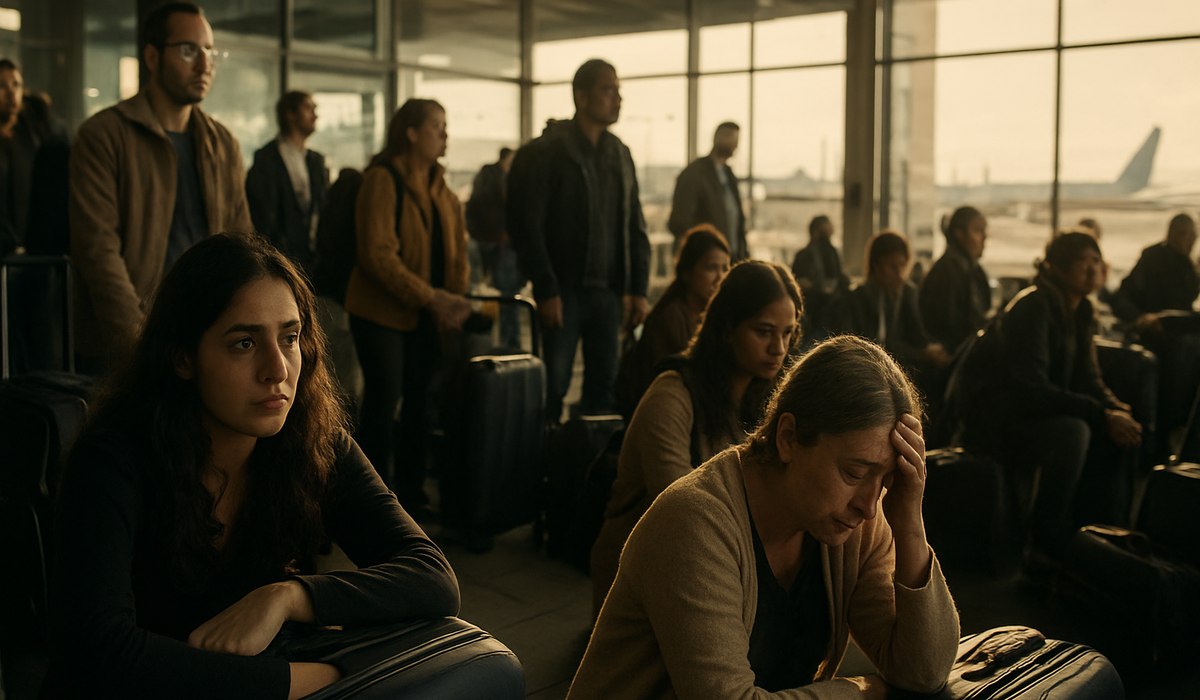
Image generated by AI
As escalating conflicts engulf the United Arab Emirates, Saudi Arabia, Iraq, and Kuwait, a coordinated international emergency response has been triggered by Brazil, India, Canada, the United Kingdom, Japan, Turkey, China, and numerous other nations. The crisis has unleashed unprecedented travel chaos across the Middle East, with thousands of flights delayed, canceled, or rerouted from critical aviation hubs including Dubai International Airport, Abu Dhabi International Airport, Baghdad International Airport, and Kuwait International Airport. Travelers worldwide are facing stranded situations, missed connections, and mounting uncertainty as energy supplies tighten, trade routes destabilize, and the tourism sector reels from the cascading disruptions rippling across global aviation networks.
The conflict's immediate impact on international travel has been catastrophic. Major airports serving as crucial transit points for global commerce and tourism—particularly Dubai, Abu Dhabi, and Doha—have experienced severe operational strain as airlines scramble to reroute flights and manage passenger logistics. Flights connecting Europe to Asia through Middle Eastern hubs have faced unprecedented delays, with some aircraft diverted to alternative routing through North African and Southeast Asian corridors. The Strait of Hormuz, a critical maritime chokepoint handling a substantial portion of global oil trade, has become a focal point of international concern as nations worry about disruptions to energy supplies and the subsequent ripple effects on fuel prices for airlines operating globally. According to the International Air Transport Association (IATA), the aviation industry faces mounting pressure as fuel surcharges increase and operational costs spike due to longer flight routes and extended flight times.
India, with its deep economic and cultural ties to the Middle East, has emerged as a central player in the coordinated response. The Indian government has issued comprehensive travel advisories urging nationals to avoid non-essential travel to conflict zones, particularly in Saudi Arabia, Iraq, and the UAE, where flight cancellations and delays have become routine occurrences. India's Ministry of Tourism has reported significant disruptions to outbound tourism, as major Middle Eastern destinations like Dubai, Abu Dhabi, and Doha—traditionally among the top choices for Indian travelers—have become increasingly inaccessible. To mitigate the economic fallout, Indian tour operators are aggressively promoting domestic tourism and alternative international destinations across Southeast Asia, Europe, and North America. India has simultaneously focused on energy security by resuming oil purchases from Iran after a seven-year hiatus, a strategic move designed to ensure continued crude oil supplies despite international sanctions complications. The Indian government has also urged the global community to prioritize peaceful dialogue and maintain stability along critical shipping routes like the Strait of Hormuz, recognizing that prolonged conflict threatens not only energy markets but also the fundamental infrastructure supporting international aviation and tourism.
Brazil has adopted a diplomatic-first approach, with President Luiz Inácio Lula da Silva calling for dialogue and restraint from all parties involved in the conflict. As a significant importer of Gulf region oil, Brazil faces direct economic pressure from rising energy prices and supply chain disruptions. The Brazilian government has extended humanitarian assistance to Middle Eastern citizens fleeing violence and has focused on energy diversification strategies to mitigate the impact of potential supply shortages. On the tourism front, Brazilian travel operators have capitalized on the crisis by redirecting travelers toward domestic destinations, promoting the natural wonders of Iguaçu Falls, the Amazon rainforest, and the Pantanal wetlands as safer alternatives to conflict-affected regions. Canada has similarly maintained strong humanitarian commitments while supporting refugees from Syria and Iraq, leveraging its diplomatic influence to advocate for ceasefire agreements and renewed negotiations. Despite travel restrictions and advisories against non-essential Middle East travel, Canadian tourism has found opportunities in domestic markets, with cities like Vancouver, Toronto, and Montreal, along with nature reserves in the Rockies and Quebec, experiencing increased visitor interest. Canada's winter tourism industry, particularly ski resorts in Alberta and British Columbia, has seen an uptick as travelers reallocate vacation plans away from traditional Middle Eastern destinations.
The United Kingdom, Japan, and Turkey have also mobilized coordinated responses, each addressing the crisis through their respective geopolitical and economic lenses. The UK has maintained strict travel advisories for affected regions while working through diplomatic channels to support international peacekeeping efforts. Japan, heavily dependent on Middle Eastern energy supplies, has focused on securing alternative energy sources and stabilizing its domestic economy against oil price volatility. Turkey, positioned geographically between Europe and the Middle East, has played a crucial mediating role while managing the influx of refugees and maintaining critical trade routes. China has pursued strategic energy partnerships and diplomatic engagement to protect its economic interests and ensure the stability of global supply chains. The coordinated efforts of these nations underscore the interconnected nature of modern global travel, energy markets, and international commerce—a reality where regional conflicts rapidly cascade into worldwide disruptions affecting millions of travelers, thousands of flights, and trillions of dollars in economic activity.
For travelers currently navigating this crisis, immediate action is essential. Check directly with your airline through official channels—visit the Federal Aviation Administration's official travel guidance or consult the International Air Transport Association's latest advisories for real-time flight status updates and routing information. If you have bookings to Dubai, Abu Dhabi, Baghdad, Kuwait City, or other Middle Eastern destinations, contact your airline or travel agent immediately to understand your options for rebooking, refunds, or alternative routing. Consider purchasing comprehensive travel insurance that covers conflict-related disruptions, and maintain flexibility in your travel plans as the situation continues to evolve. Monitor government travel advisories from your home country regularly, as restrictions and recommendations are being updated continuously as the situation develops across the region.
Related Travel Guides
Disclaimer
This article is for informational and educational purposes only. It does not constitute legal, financial, or professional advice. While we strive to provide accurate and up-to-date information, travel policies, regulations, and conditions change rapidly. Always verify information with official sources before making travel decisions. Nomad Lawyer makes no representations about the accuracy, reliability, completeness, or suitability of the information provided. Readers should consult qualified professionals for advice specific to their circumstances. The views expressed in this article are those of the author and do not necessarily reflect the views of Nomad Lawyer.
Raushan Kumar
Founder & Lead Developer
Full-stack developer with 11+ years of experience and a passionate traveller. Raushan built Nomad Lawyer from the ground up with a vision to create the best travel and law experience on the web.
Learn more about our team →