
Iran Secures Top Spot in Middle East Heritage Rankings With 30 UNESCO World Heritage Sites
Iran now holds the most UNESCO World Heritage sites in the Middle East with 30 properties, surpassing Türkiye, Israel, and Jordan in 2026 heritage rankings.

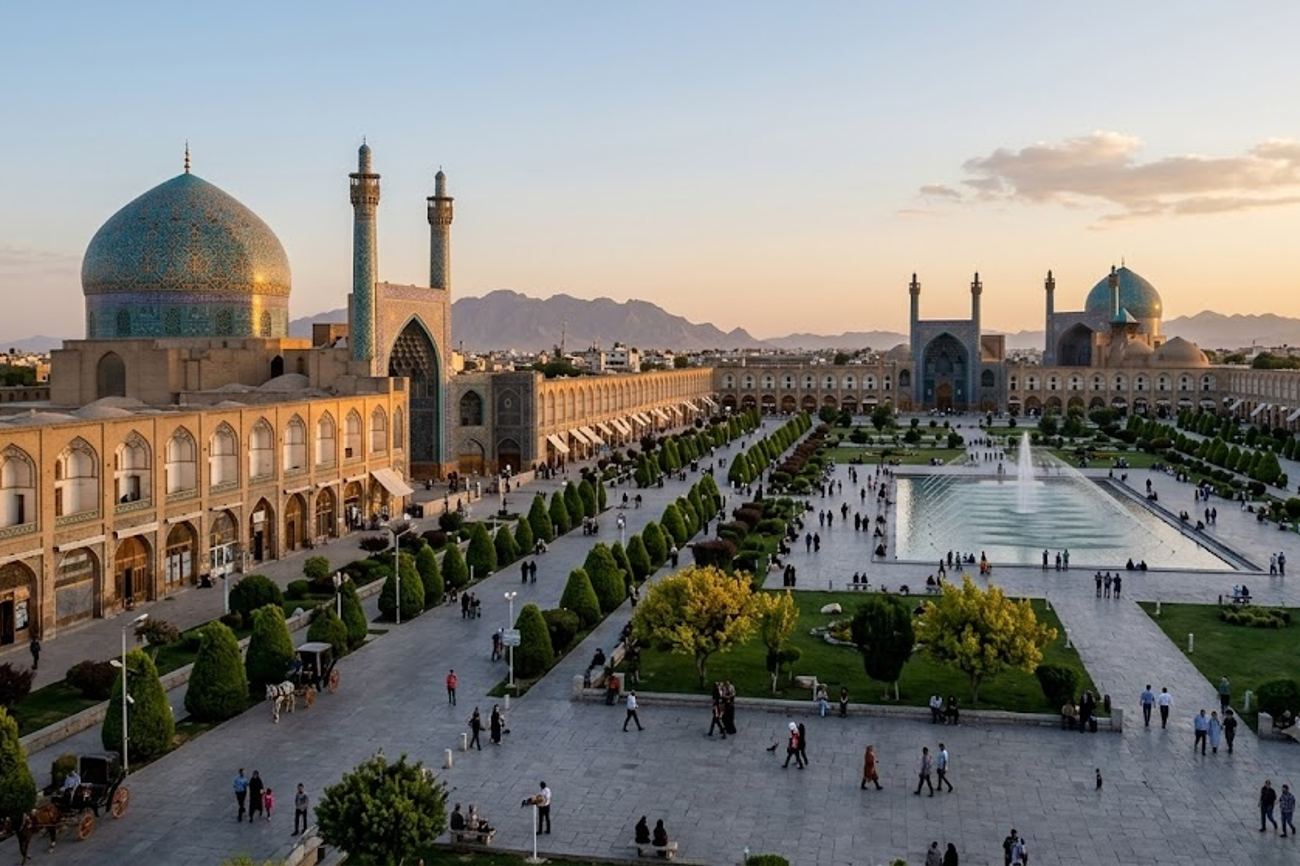
Image generated by AI
Tehran, September 8, 2026 —
Iran has ascended to the top of the Middle East's heritage leaderboard, now hosting 30 UNESCO World Heritage Wonders. This achievement underscores the immense historical and environmental density of the region, spanning ancient metropolitan centers, sacred shrines, vast desert expanses, and diverse landscapes. While Iran takes the lead, other regional players including Türkiye, Jordan, Lebanon, Palestine, and the United Arab Emirates also received UNESCO recognition in 2026. The recent updates to the World Heritage list emphasize a shift in preservation focus, expanding beyond archaeological ruins to include mountain valleys, coral reefs, and historic fortifications.
Iran Establishes Dominance With 30 Historic Properties
With a current total of 30 UNESCO World Heritage properties, Iran has established a significant lead over its neighbors. The country now sits eight sites ahead of Türkiye, which holds the second-highest count in the region with 22.
The breadth of Iran's listings reflects a comprehensive timeline of human civilization. The portfolio includes 28 cultural properties and two natural properties, encompassing everything from the remnants of ancient empires and religious monuments to traditional water management systems, caravan inns, and historic railway routes.
Among the most globally recognized sites is Persepolis, the ceremonial heart of the Achaemenid Empire. Similarly, Pasargadae remains a cornerstone of ancient Persian history. Urban history is represented by the Historic City of Yazd, which showcases traditional adaptation to desert climates, and the Golestan Palace, a symbol of Tehran's imperial past.
The nation's natural assets are equally prominent. The Lut Desert is celebrated for its extreme landforms, while the Hyrcanian Forests provide a sanctuary for ancient woodlands along the Caspian Sea. These sites demonstrate that Iran's heritage value extends far beyond man-made structures.
The milestone of 30 sites was reached following the 2026 inscription of Alamūt Castle and Related Fortifications. This "serial property" consists of the primary Alamūt Castle and six supporting fortifications located within the Alborz Mountains. These sites served as the political, military, and intellectual hubs for the Nezāri Ismaʿilis. Because UNESCO views this network of mountain strongholds as a single shared narrative of defense and learning, the entire group is counted as one property.
Türkiye Maintains Strong Second Position With 22 Sites
Türkiye continues to be a heavyweight in regional heritage, maintaining 22 World Heritage properties. This total is comprised of 20 cultural sites and two mixed sites, the latter of which are recognized for possessing both significant natural and cultural value.
The Turkish UNESCO portfolio spans millennia of human activity. Key listings include the Historic Areas of Istanbul, Ephesus, Göbekli Tepe, Troy, Hattusha, Gordion, and the Neolithic Site of Çatalhöyük. Istanbul remains a primary draw, blending imperial history with religious landmarks and ancient streetscapes, while Göbekli Tepe has fundamentally altered scientific understanding of early human ritual and settlement.
The two mixed sites highlight the intersection of geography and humanity. Göreme National Park and the Rock Sites of Cappadocia feature human-made cave dwellings and churches carved into dramatic volcanic landscapes. Similarly, Hierapolis-Pamukkale pairs the ruins of an ancient city with the striking white mineral terraces of the region.
In 2025, Türkiye added Sardis and the Lydian Tumuli of Bin Tepe to its list. As the former capital of the Lydian Kingdom, Sardis is historically significant for its connection to the invention of coinage.
Israel Ranks Third With Nine Cultural Listings
Israel holds the third position in the Middle East rankings with nine UNESCO World Heritage Sites. Notably, all nine of these properties are classified as cultural sites, focusing on trade, architecture, religious history, and early human habitation.
Masada, a fortified complex overlooking the Dead Sea, remains one of the most visited sites. The Old City of Acre provides a window into the evolution of Mediterranean port cities. In contrast, the White City of Tel-Aviv represents a shift toward modernism, recognized for its urban planning and Bauhaus architecture. Other listed sites include the Bahá’i Holy Places in Haifa and the Western Galilee, as well as the caves of Mount Carmel and various Biblical Tels along the Incense Route.
It is important to note that the Old City of Jerusalem and its Walls are not included in Israel's official UNESCO count. UNESCO lists this property separately as a site proposed by Jordan. To maintain accuracy in heritage rankings, industry observers rely on UNESCO’s State Party pages, which prevent the double-counting of contested or separately managed sites.
Jordan and Saudi Arabia Tie With Eight Sites Each
Jordan and Saudi Arabia currently share the fourth position, each possessing eight World Heritage properties. While their numbers are identical, the nature of their sites differs significantly.
Jordan expanded its portfolio to eight in 2026 with the inscription of the Aqaba Marine Reserve. Located at the northern tip of the Red Sea, this natural site is a biodiversity hotspot containing over 150 species of hard coral, 500 fish species, and 1,000 mollusc species. This addition gives Jordan a critical natural property to complement its six cultural sites and one mixed site, which include the world-famous city of Petra and the Wadi Rum Protected Area.
Saudi Arabia's eight sites focus on a blend of ancient archaeological centers and protected desert environments, reflecting the kingdom's push to diversify its tourism appeal through its deep historical roots.
Middle East UNESCO World Heritage Distribution (2026)
| Country | Total Sites | Cultural | Natural | Mixed |
|---|---|---|---|---|
| Iran | 30 | 28 | 2 | 0 |
| Türkiye | 22 | 20 | 0 | 2 |
| Israel | 9 | 9 | 0 | 0 |
| Jordan | 8 | 6 | 1 | 1 |
| Saudi Arabia | 8 | 7 | 1 | 0 |
Why This Matters: The Impact on Global Travel
For the modern traveler, this shift in heritage leadership signals a diversification of the "must-visit" list in the Middle East. The rise of Iran as a heritage leader transforms the region from a few isolated hotspots into a connected network of historical corridors.
From a logistical standpoint, the designation of "serial properties"—such as the Alborz Mountain fortifications—encourages a new type of "circuit tourism." Instead of visiting a single monument, travelers are now incentivized to explore entire geographic regions to see the full scope of a UNESCO listing.
However, the gap between a UNESCO designation and actual accessibility remains a critical factor. While the prestige of these 30 sites increases Iran's global profile, travelers must navigate complex entry requirements, fluctuating local conditions, and specific safety guidance. The "heritage crown" provides the attraction, but the infrastructure and geopolitical climate determine the actual visitor experience.
Related Travel Guides
Disclaimer
This article is for informational and educational purposes only. It does not constitute legal, financial, or professional advice. While we strive to provide accurate and up-to-date information, travel policies, regulations, and conditions change rapidly. Always verify information with official sources before making travel decisions. Nomad Lawyer makes no representations about the accuracy, reliability, completeness, or suitability of the information provided. Readers should consult qualified professionals for advice specific to their circumstances. The views expressed in this article are those of the author and do not necessarily reflect the views of Nomad Lawyer.
Kunal K Choudhary
Co-Founder & Contributor
A passionate traveller and tech enthusiast. Kunal contributes to the vision and growth of Nomad Lawyer, bringing fresh perspectives and driving the community forward.
Learn more about our team →