
NHTSA Launches Audit Query Into Tesla Cybercab Certification
US DOT's NHTSA opens an Audit Query into Tesla Cybercab certification following commercial deployment in Austin, Texas, testing FMVSS compliance.

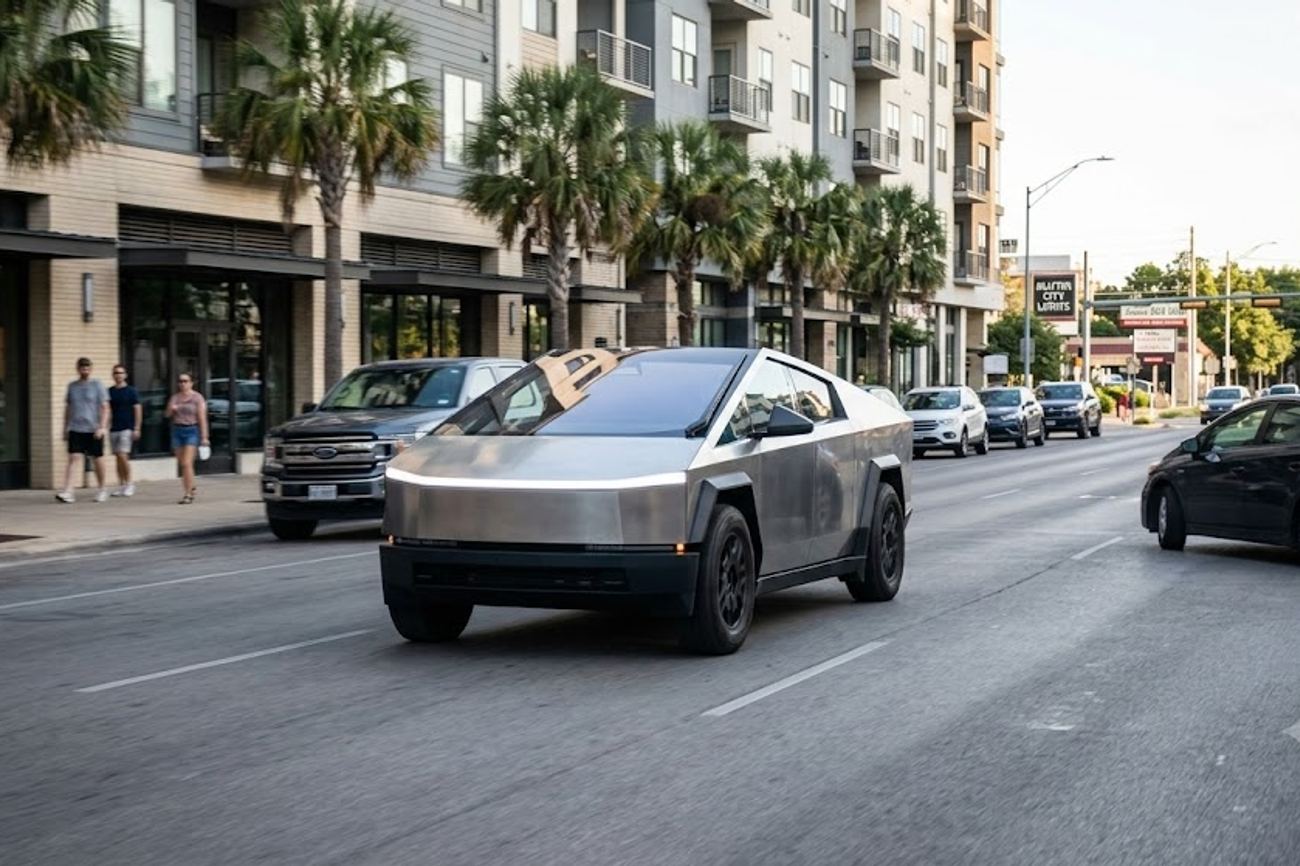
Image generated by AI
The National Highway Traffic Safety Administration (NHTSA) has initiated a formal safety review of the Tesla Cybercab to evaluate the company's vehicle certification process. This federal action comes as Tesla integrates driverless vehicles into the commercial transport ecosystem of Austin, Texas.
The core of the investigation is an Audit Query designed to verify Tesla's claims that the Cybercab complies with all applicable Federal Motor Vehicle Safety Standards (FMVSS). While the US automotive market operates on a system of manufacturer self-certification, the NHTSA maintains the legal authority to audit these claims to ensure technical and legal benchmarks are met.
A primary point of contention is the Cybercab’s design, which lacks traditional human driving controls. The NHTSA is examining whether Tesla's compliance strategy incorrectly assumed that certain FMVSS requirements do not apply to vehicles without steering wheels or pedals.
Simultaneously, the US government is updating several safety regulations to modernize the framework for autonomous travel. Current rulemaking efforts are focusing on the following components:
- Brake pedals
- Windscreen wipers
- Lighting systems
- Rear-view mirrors
The NHTSA has confirmed that existing federal safety standards remain active and enforceable during this review process.
Transit Specification: Cybercab Deployment Parameters
| Parameter | Detail |
|---|---|
| Regulatory Body | National Highway Traffic Safety Administration (NHTSA) |
| Review Type | Audit Query (Certification Review) |
| Deployment Location | Austin, Texas |
| Primary Compliance Standard | Federal Motor Vehicle Safety Standards (FMVSS) |
| Key Technical Focus | Absence of conventional human driving controls |
| Status of Regulations | Existing standards remain active during review |
Traveler Logistics Guide: Navigating Autonomous Zones
From a ground-level perspective, the transition to driverless commercial fleets in cities like Austin requires a shift in how passengers approach "last-mile" connectivity. To navigate this transition effectively:
- Booking & Integration: When using autonomous ride-hail services, ensure your digital payment and identity verification are updated in the provider's app to avoid boarding delays.
- Embarkation Safety: Always wait for the vehicle to reach a complete stop and for the digital "door release" signal before attempting to enter. In vehicles without drivers, the interface screen is your primary point of communication for route changes.
- Customs & Digital Transit: For international travelers entering the US, be aware that autonomous zones often integrate with city-wide digital transit IDs. While not yet a federal requirement like ETIAS in Europe, keeping a digital copy of your passport and visa on your device is recommended for seamless verification in high-security autonomous corridors.
- Optimal Connection Times: When booking a Cybercab to a major hub (e.g., Austin-Bergstrom International Airport), add a 15-minute buffer to your usual transit time. Autonomous vehicles often follow stricter, more conservative routing and speed protocols than human drivers.
Infrastructure Impact Assessment
This regulatory scrutiny signals a pivot in US transit infrastructure. If the NHTSA determines that current FMVSS are insufficient for vehicles without controls, it will force a global redesign of autonomous vehicle architecture.
For regional connectivity, the Austin deployment serves as a litmus test. Success here could accelerate the deployment of "Robotaxi" hubs in other major US metros, reducing reliance on private car ownership and shifting urban planning toward passenger-loading zones rather than traditional parking structures. However, the outcome of this Audit Query will determine the speed at which these fleets can scale across state lines.
Related Travel Guides
Disclaimer
This article is for informational and educational purposes only. It does not constitute legal, financial, or professional advice. While we strive to provide accurate and up-to-date information, travel policies, regulations, and conditions change rapidly. Always verify information with official sources before making travel decisions. Nomad Lawyer makes no representations about the accuracy, reliability, completeness, or suitability of the information provided. Readers should consult qualified professionals for advice specific to their circumstances. The views expressed in this article are those of the author and do not necessarily reflect the views of Nomad Lawyer.
Preeti Gunjan
Contributor & Community Manager
A passionate traveller and community builder. Preeti helps grow the Nomad Lawyer community, fostering engagement and bringing the reader experience to life.
Learn more about our team →