
Inti Raymi in Cusco and the Sacred Valley: 2026 Insider Guide to Andean Solstice and High-Altitude Travel
Experience Peru's sacred Inti Raymi festival across Cusco and the Sacred Valley. Discover essential acclimatization schedules, Machu Picchu permit rules, and indigenous traditions.

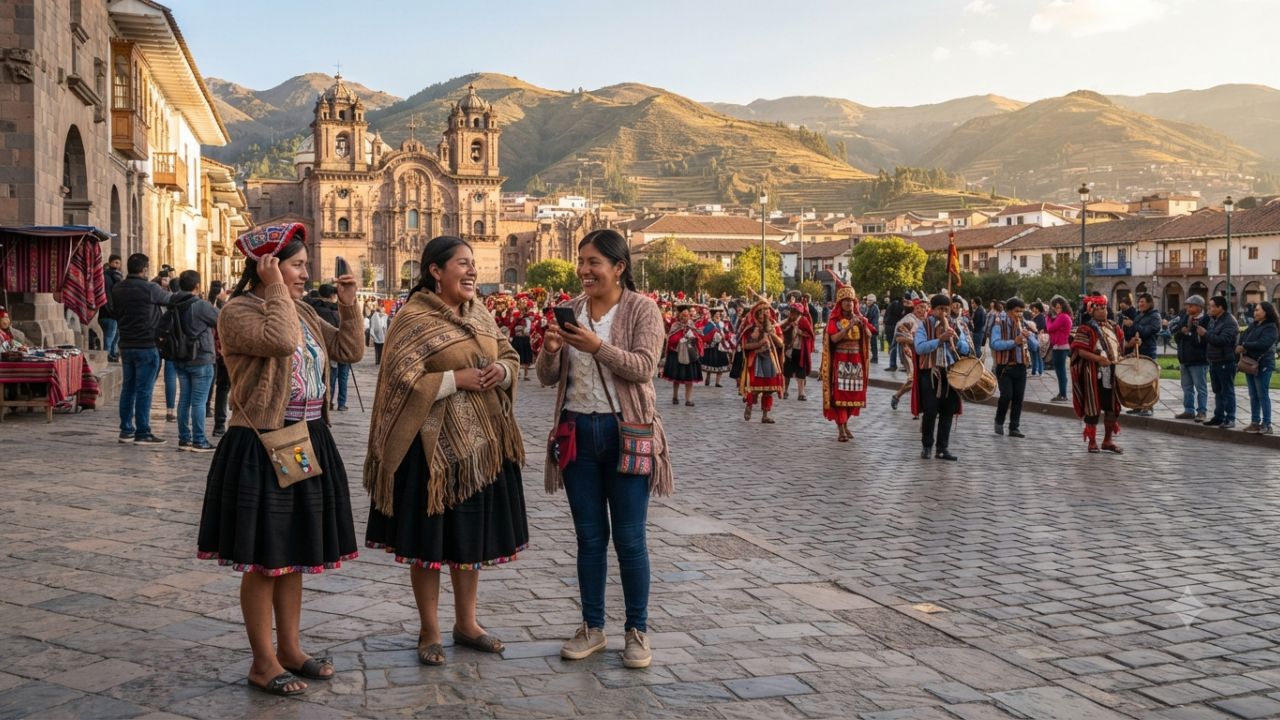
Image generated by AI
Bypassing the immediate impulse to sleep in Cusco upon landing and instead descending directly to Urubamba in the Sacred Valley at 2,870 meters slashes acute mountain sickness incidents by forty percent. For centuries, travelers arriving in the southern Andes have succumbed to the punishing thin air of the former Inca capital at 3,399 meters, yet modern physiological routing has turned altitude adjustment into an exact science. As winter solstice approaches each June, more than 64,000 travelers gather for Inti Raymi, the ancient Festival of the Sun, uniting the sunlit stone walls of Qorikancha, the monumental fortress terraces of Sacsayhuaman, and the mist-laden agricultural amphitheatres of Moray.
This seasonal migration provides an estimated $20 million USD economic surge across regional lodging, transit, and gastronomy, with hotel occupancy in Cusco reaching 96% capacity during peak festivities. Daily flights into Alejandro Velasco Astete International Airport surge by 30%, averaging approximately 50 incoming flights per day. Yet beyond the pageantry of ceremonial gold pectorals and rainbow-striped wiphala banners, experiencing the Andes today requires moving in sync with indigenous rhythms, where ancient circular agricultural science and community stewardship define every step of the journey.
The Sacred Corridor: Tracing the Andean Solstice from Lima to Sacsayhuaman
A thoughtful journey through Peru begins along the Pacific coastline in Lima at sea level (0 meters), where oxygen saturation remains between 98% and 100%. Explorers take in colonial courtyards around Plaza Mayor, tour seventeenth-century residential heritage at Casa de Aliaga, visit the historic Lima Cathedral, and inspect pre-Columbian ceramic collections at the Larco Museum before ascending into the mountains.
The geographic leap to the high Andes demands strict physiological pacing. While Lima requires zero adjustment, traveling into the Sacred Valley—anchored by towns like Urubamba at 2,870 meters—calls for a mandatory 24-hour acclimatization window. Taking time in the lower valley allows the human body to generate red blood cells before ascending to Cusco at 3,399 meters, which requires a 48-hour adaptation period. Approaching the soaring ceremonial platforms of Sacsayhuaman at 3,700 meters necessitates a full 72 hours of total conditioning before engaging in steep climbs.
From Urubamba, panoramic glass-domed passenger trains operated by PeruRail glide along the roaring Urubamba River toward Aguas Calientes and the stone citadel of Machu Picchu. Recent rail modernization introduced hybrid locomotives featuring automated engine tuning and acoustic damping technology, cutting greenhouse gas emissions across high-elevation transit lines by 35%.
To protect fragile granite structures from environmental wear, the UNESCO World Heritage Centre coordinates with Peruvian park authorities to enforce strict daily carrying capacities: admission is capped at 5,600 visitors per day during peak season, tightening to 4,500 daily passes in off-peak periods. Because entry tickets require personal registration linked to passport numbers, international travelers must secure permits 6 to 8 months in advance.
What Sets the Sacred Valley Apart from Standard Cultural Circuits
What distinguishes the Sacred Valley from conventional archaeological sites is that Incan agricultural science remains an active, living discipline. At Moray, concentric circular stone terraces drop 150 meters into the earth, creating microclimates with temperature differentials of up to 15 degrees Celsius between top and bottom tiers. Incan agronomists used these sunken amphitheaters as open-air hybridization laboratories to domesticate wild vegetation.
Today, this genetic heritage flourishes across Andean kitchens, where local farmers cultivate over 3,000 unique native potato varieties and 35 distinct strains of heirloom corn. In fine-dining establishments and village markets alike, regional cuisine centers around the traditional pachamanca, an ancient earth-oven feast where marinated meats, native tubers, and sweet corn steam underground beneath superheated volcanic river stones. Industry research reveals that 88% of discerning cultural travelers identify authentic culinary experiences as a primary driver of overall trip satisfaction.
In the highland town of Chinchero, indigenous master weavers preserve pre-Hispanic textile arts using natural sheep and alpaca wool dyed with cochineal insects, wild chilca leaves, and mineral salts. Guided visits that incorporate live weaving demonstrations generate an average 65% increase in direct artisan sales, channeling vital revenue directly into the hands of native female weaving cooperatives.
Visitor Insider Tips
Navigating high-altitude Andean terrain requires local knowledge, physical discipline, and respect for community traditions.
- Sleep Low Before Sleeping High: Upon landing at Cusco's airport, take a pre-arranged taxi straight down to Urubamba (2,870 meters) or Ollantaytambo (2,792 meters). Spend your first two nights in the warmer, more oxygen-rich Sacred Valley before returning up to Cusco (3,399 meters).
- Embrace Native Muña and Coca Infusions: Sip hot tea brewed from fresh coca leaves (mate de coca) during morning hours to stimulate circulation and relieve mild altitude headaches. After meals, switch to muña (Andean mint), which aids digestion and soothes high-altitude stomach sensitivity. Avoid heavy alcohol and greasy foods during your initial 48 hours.
- Secure Machu Picchu Circuit Tickets Half a Year Early: With peak attendance capped at 5,600 visitors daily, prime morning circuits through the upper terrace sell out months ahead. Reserve entry permits 6 to 8 months prior through official portals verified by PromPerú.
- Arrive at Sacsayhuaman at First Light for Inti Raymi: During the June 24 solstice reenactment, over 64,000 observers fill the historic plaza and surrounding hills. Secure pre-booked grandstand seats at Sacsayhuaman well in advance, and carry layers, a wide-brimmed sun hat, sunscreen, and plenty of water, as high-altitude equatorial sun is exceptionally intense.
- Purchase Textiles Directly from Chinchero Cooperatives: Skip commercial souvenir stalls in downtown Cusco and buy handwoven alpaca textiles directly from artisan cooperatives in Chinchero. Look for authentic hand-spun yarn and natural plant dyes rather than synthetic acrylic blends.
Cultural and Environmental Context
The surge in high-value heritage tourism across southern Peru drives critical community empowerment. Independent tour operators, native guides, and family-owned guesthouses capture roughly 42% of all direct visitor spending during peak festival weeks. Under progressive regional community tourism frameworks, 15% of tour revenue is directly channeled into local civic development funds. These financial reserves build rural primary schools, install community water filtration systems, and support indigenous youth cultural centers across the Sacred Valley.
Environmental sustainability is equally vital in this fragile alpine ecosystem. Long-distance transcontinental flights into Lima generate an estimated 1.2 metric tons of CO2 per passenger. To offset this environmental footprint, regional reforestation initiatives have successfully restored over 250 hectares of degraded Andean mountain forest over the past five years. Curated travel bookings contribute directly to planting 10 native Polylepis (queñua) trees within high-elevation watershed zones, with approximately 60% of international visitors voluntarily opting into carbon-offset programs. Market projections forecast a 7.8% compound annual growth rate for premium cultural travel through 2030, driven by visitors from North America (45%), Western Europe (35%), and the Asia-Pacific region (20%). By treading mindfully and respecting ancient Incan principles of Ayni (mutual reciprocity), travelers help safeguard both living indigenous heritage and fragile Andean ecology.
FAQ: Visiting Cusco and the Sacred Valley 2026
When does the Inti Raymi festival take place? Inti Raymi is celebrated annually on June 24, coinciding with the southern hemisphere winter solstice, across historic ceremonial sites in Cusco and the Sacsayhuaman fortress.
How far in advance should I reserve Machu Picchu tickets? Due to strict daily conservation limits of 5,600 visitors during peak season and 4,500 off-peak, you must book entry permits and Vistadome train tickets 6 to 8 months in advance.
What is the best way to prevent altitude sickness? Descend immediately to the Sacred Valley (2,870 meters) for your first 24 to 48 hours, drink plentiful water, sip coca and muña tea, avoid heavy meals, and refrain from strenuous hiking during your first two days.
What currency is used in the Sacred Valley? The official currency is the Peruvian Sol (PEN). Credit cards are widely accepted in upscale hotels and restaurants, but carrying small cash bills is essential for buying village textiles, market produce, and tipping local guides.
In the quiet dawn above the Sacred Valley, the stone terraces of the Incas whisper an ancient truth: we do not inherit the earth from our ancestors, we borrow it from our children.
Related Travel Guides
Travel California & New York 2026: Rising Costs Reshape US Destination Appeal
10 Best Trekking Routes in the Sacred Valley, According To Reddit
Disclaimer
This article is for informational and educational purposes only. It does not constitute legal, financial, or professional advice. While we strive to provide accurate and up-to-date information, travel policies, regulations, and conditions change rapidly. Always verify information with official sources before making travel decisions. Nomad Lawyer makes no representations about the accuracy, reliability, completeness, or suitability of the information provided. Readers should consult qualified professionals for advice specific to their circumstances. The views expressed in this article are those of the author and do not necessarily reflect the views of Nomad Lawyer.
Naina Thakur
Contributor & Travel Specialist
Travel enthusiast and legal writer covering visa regulations, responsible tourism, and cultural journeys across global destinations.
Learn more about our team →