
International Tourists Contribute Up to 45% of Airport Retail Spending in 2026
International tourists account for 35-45% of airport retail spending globally in 2026, reshaping terminal commerce strategies. Duty-free and luxury retail lead growth as airports optimize passenger experience and revenue streams.

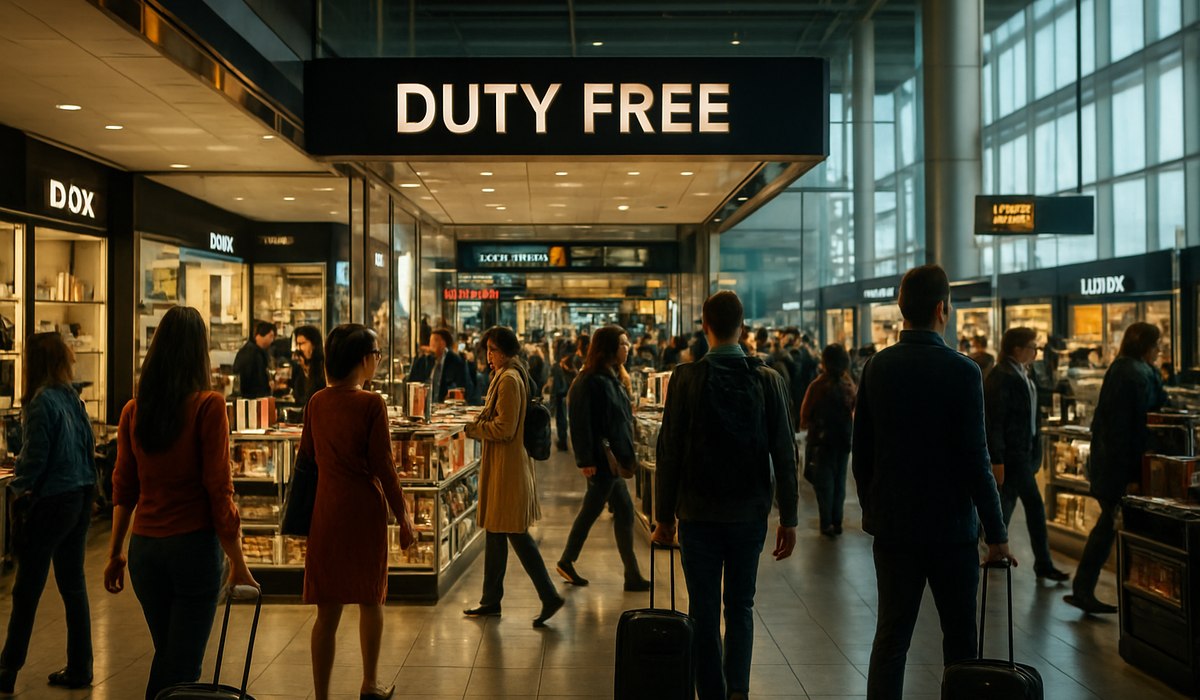
Image generated by AI
International Tourists Drive Unprecedented Growth in Airport Retail Markets
International tourists now account for 35% to 45% of airport retail spending globally, establishing themselves as the most influential consumer segment reshaping terminal commerce strategies. This significant shift reflects evolving passenger behavior, increased international travel recovery, and strategic repositioning by airport operators who recognize duty-free, luxury, and convenience-focused retail formats as primary revenue drivers. The data underscores how global aviation recovery has fundamentally transformed airport economics, with international visitors outspending domestic travelers and driving infrastructure investment decisions across major hub airports worldwide.
International Tourists Dominate Airport Retail Spending Patterns
The surge in international tourists contributing to airport retail stems from multiple converging factors. Traveling passengers spend considerably more during airport layovers and connections compared to domestic travelers making quick trips. International visitors view airport shopping as a unique retail experience, with duty-free pricing presenting genuine savings unavailable in home markets. Major metropolitan airports in Asia, Europe, and North America report their highest revenue per passenger from international segments.
Airport operators have responded by expanding retail footprints, upgrading store formats, and recruiting premium brands targeting affluent international travelers. This consumer behavior shift has prompted infrastructure companies and airport authorities to reimagine terminal layouts, prioritizing retail space accessibility and brand visibility for international passenger flows.
Key Factors Reshaping Terminal Commerce Strategies
Passenger dwell time emerged as a critical variable influencing retail spending patterns. International passengers typically spend 2-4 hours in airport terminals during connections, creating extended shopping windows compared to domestic travelers. Airport design innovations now prioritize retail proximity to boarding gates, premium lounges, and transit corridors frequented by international passengers.
Category behavior analysis reveals international tourists prioritize luxury goods, cosmetics, spirits, and premium electronics over convenience categories. Airports have responded by allocating premium retail real estate to high-margin brands, shifting away from traditional duty-free models toward curated luxury shopping experiences. This repositioning reflects sophisticated understanding of international passenger preferences and spending capacity, with airports competing fiercely for retail partnerships with global luxury conglomerates.
Growth Opportunities in Duty-Free and Luxury Retail Segments
Duty-free retail continues dominating airport commerce, with international tourists contributing the largest share of duty-free purchases. Premium spirits, fragrances, and cosmetics represent the highest-margin categories, attracting significant international traveler investment. Major airport operators report 40-50% year-over-year growth in luxury goods sales attributed directly to international passenger increases.
Luxury watch retailers, designer handbag boutiques, and premium skincare brands have expanded airport presence significantly since 2024. These specialty retailers recognize international tourists as high-value customers willing to purchase premium products at airport locations. Airports in Singapore, Dubai, Tokyo, and London report exceptional performance in luxury retail segments driven by international passenger volume and spending patterns.
Convenience retail, once dominated by travel essentials, now competes aggressively with experiential retail formats attracting international visitors. Gourmet food halls, artisan beverage concepts, and regionally-inspired retail experiences appeal strongly to international passengers seeking authentic local products and premium refreshments.
Strategic Implications for Airport Operators and Airlines
Airport authorities now view international tourists as critical economic drivers influencing terminal investment strategies, retail partnerships, and passenger experience initiatives. Revenue per available seat mile calculations increasingly factor retail spending projections into airport expansion business cases. Airlines coordinate with airport retailers on duty-free shopping programs, loyalty integrations, and targeted merchandising aligned with passenger demographics and flight destinations.
This economic reality has prompted airport operators to implement data analytics programs tracking international passenger spending patterns, category preferences, and brand affinities. Sophisticated passenger flow analysis now informs retail location decisions, with premium brands securing high-traffic positions near international boarding areas. Airports compete for retail partnerships based on passenger mix demographics and projected international traveler volumes, reshaping competitive dynamics across major aviation hubs.
Traveler Action Checklist
- Research airport retail offerings before arrival to identify duty-free brands and luxury retailers matching your shopping interests
- Arrive early to terminals to maximize dwell time and explore retail options without time pressure
- Compare duty-free pricing against home market prices using smartphone price comparison apps or retail websites
- Join airport loyalty programs offering discounts and exclusive access to premium retail experiences and VIP lounges
- Understand local customs regulations regarding duty-free allowances before making significant purchases at your destination airport
- Check airline baggage allowances for fragile items like spirits, cosmetics, and electronics before airport shopping
- Request itemized receipts for duty-free purchases to facilitate customs declarations at your final destination
- Explore regional specialty retailers featuring local products and artisan goods unavailable in global retail chains
International Airport Retail Spending: Key Data
| Metric | Value | Year | Impact |
|---|---|---|---|
| International tourist retail contribution | 35-45% | 2026 | Primary revenue driver |
| Typical dwell time for international passengers | 2-4 hours | 2026 | Extended shopping window |
| Average spend per international traveler | $85-$180 | 2026 | Premium category focus |
| Duty-free category growth rate | 40-50% YoY | 2026 | Luxury goods acceleration |
| Luxury retail space expansion | 25-35% | 2026 | Brand competition increase |
| Top revenue categories | Spirits, cosmetics, watches | 2026 | High-margin focus |
What This Means for Travelers and Airport Commerce
Understanding that international tourists contribute substantially to airport retail spending reveals why airports increasingly emphasize premium shopping experiences. Savvy international travelers benefit from this dynamic through expanded brand selections, competitive pricing, and duty-free savings opportunities. However, airport retail expansion also means busier terminals, longer queues at premium boutiques, and potentially higher premium brand positioning compared to traditional retail outlets.
Frequent international travelers should leverage duty-free savings calculators and brand loyalty programs to maximize shopping benefits. Many airports now offer international passenger-specific retail promotions, early shopping access in premium areas, and dedicated shopping lounges for premium cabin passengers. Understanding your destination airport's retail strategy helps optimize your shopping time and purchasing decisions during layovers and connections.
Frequently Asked Questions
Q: Why do international tourists spend more at airport retail than domestic travelers? International passengers typically spend 2-4 hours in terminals during connections, creating extended shopping windows. Duty-free pricing offers genuine savings compared to home markets, and international travelers view airport shopping as a unique retail experience with premium brand access unavailable locally.
Q: Which airport retail categories attract the most international tourist spending? Spirits, fragrances, cosmetics, and luxury watches dominate international airport retail spending. Premium electronics and designer accessories also capture significant international traveler investment, with luxury goods representing the highest-margin categories driving airport revenue strategies.
Q: How are airports adapting to increased international tourist retail spending? Airports expand retail footprints, recruit premium luxury brands, and redesign terminals prioritizing retail accessibility for international passenger flows. Data analytics programs track international spending patterns, informing retail location decisions and brand partnership strategies for maximum revenue optimization.
Q: What customs regulations should international travelers understand before airport shopping? Verify duty-free allowances for your destination country, understand customs declaration requirements, and request itemized receipts for verification. Check airline baggage allowances for fragile items and confirm any restricted categories before making significant duty-free purchases.
Related Travel Guides
- Largest Airports United States: 2026 Passenger Volume Rankings
- Accor Greater China Launches Double Points Campaign Through June 2026
- Culture Restaurants Columbus: Walkable College District Emerges as 2026 Digital Nomad Hub
Disclaimer
This article references
Disclaimer
This article is for informational and educational purposes only. It does not constitute legal, financial, or professional advice. While we strive to provide accurate and up-to-date information, travel policies, regulations, and conditions change rapidly. Always verify information with official sources before making travel decisions. Nomad Lawyer makes no representations about the accuracy, reliability, completeness, or suitability of the information provided. Readers should consult qualified professionals for advice specific to their circumstances. The views expressed in this article are those of the author and do not necessarily reflect the views of Nomad Lawyer.
Raushan Kumar
Founder & Lead Developer
Full-stack developer with 11+ years of experience and a passionate traveller. Raushan built Nomad Lawyer from the ground up with a vision to create the best travel and law experience on the web.
Learn more about our team →