
International Airports Flight Status at Risk: DHS Proposes CBP Withdrawal From 11 Major US Hubs
DHS Secretary Markwayne Mullin proposes withdrawing CBP officers from 11 major US airports in sanctuary cities, potentially stripping them of international flight status in 2026. JFK, LAX, and other major hubs could lose global connectivity.

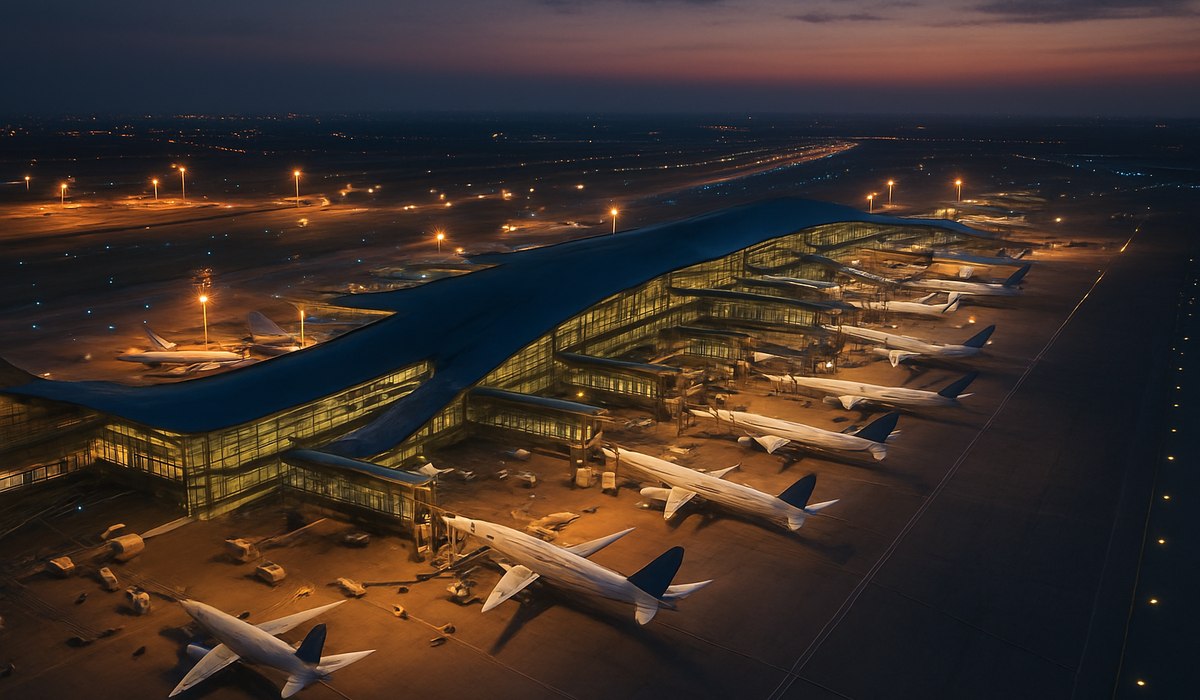
Image generated by AI
Major US Airports Face Potential Loss of International Flight Privileges
Eleven major US airports could lose their ability to handle international airports flight operations under a controversial new proposal from Department of Homeland Security Secretary Markwayne Mullin. The initiative targets aviation hubs located in sanctuary cities—jurisdictions that restrict cooperation between local law enforcement and US Immigration and Customs Enforcement (ICE). If implemented, this policy would fundamentally reshape how travelers access global connectivity from key American aviation centers, affecting millions of passengers annually and disrupting airline operations across the nation.
The proposal centers on withdrawing Customs and Border Protection (CBP) officers—federal agents essential for processing arriving international passengers and cargo. Without CBP presence, these airports would lose their International Airport Designations, effectively grounding flights from Europe, Asia, Latin America, and other regions. The move represents an unprecedented intersection of immigration policy and aviation regulation.
Which 11 US Airports Face International Flight Bans
The targeted airports span major metropolitan regions across the country:
- John F. Kennedy International Airport (JFK) – New York City
- Los Angeles International Airport (LAX) – Los Angeles
- San Francisco International Airport (SFO) – San Francisco
- Seattle-Tacoma International Airport (SEA) – Seattle
- Denver International Airport (DEN) – Denver
- Chicago Midway International Airport (MDW) – Chicago
- Oakland International Airport (OAK) – Oakland
- Portland International Airport (PDX) – Portland
- Minneapolis-St. Paul International Airport (MSP) – Minnesota
- Boston Logan International Airport (BOS) – Boston
- Philadelphia International Airport (PHL) – Philadelphia
These airports collectively handle over 400 million passengers annually and maintain direct service to 180+ international destinations. The economic implications are staggering, with airlines facing route cancellations, delayed expansion plans, and operational restructuring. Check FlightAware for real-time tracking of affected routes and flight statuses.
Why Sanctuary Cities Are Losing CBP Officer Presence
Sanctuary city policies vary by jurisdiction but generally prohibit local police cooperation with federal immigration enforcement. DHS argues this obstruction prevents effective border security and immigration compliance. Secretary Mullin's proposal positions CBP withdrawal as leverage—essentially using airport access as pressure to change local sanctuary policies.
The legal framework governing international airports flight operations requires CBP staffing under federal law. Airports cannot process arriving international passengers without these officers conducting customs and immigration screening. DHS argues it has authority to reallocate CBP resources based on operational needs and interagency cooperation. However, sanctuary city advocates counter that immigration enforcement is a federal responsibility, not a local one, and that threatening airport status represents governmental overreach. This tension between federal immigration policy and local jurisdictional authority remains unresolved legally.
Airlines operating from these hubs have expressed serious concerns about operational viability. International routes depend on CBP infrastructure, trained personnel, and established screening protocols. Suddenly eliminating these systems would create chaos in passenger processing, customs clearance, and international cargo handling.
Impact on Travelers and Airlines Operating From Affected Hubs
Travelers would face dramatic changes if international airports flight operations cease at these facilities. Passengers in New York would travel to Newark or Boston for transatlantic flights. Los Angeles residents might use Las Vegas or Phoenix for Asian routes. These alternatives add 2-6 hours to travel times and increase ticket costs significantly.
Airlines operating from affected airports would face impossible choices:
- Canceling profitable international routes entirely
- Rerouting flights through secondary hubs (increasing operational costs)
- Reducing frequency on existing international services
- Deferring expansion plans to other markets
- Laying off ground crews, gate agents, and support staff
Check the FAA website for official guidance on airport designations and the US DOT for passenger rights and airline accountability information.
The ripple effects extend beyond aviation. These airports support hundreds of thousands of jobs in hospitality, ground transportation, hotels, and related industries. Economic impact studies suggest potential losses exceeding $50 billion annually across affected regions.
What Comes Next: Legal Challenges and Congressional Response
This proposal faces significant legal obstacles. Constitutional scholars question whether the executive branch can unilaterally strip airport designations without congressional authorization. The Administrative Procedure Act requires notice-and-comment rulemaking, which would delay implementation and invite litigation.
Congressional Democrats have already signaled opposition, with several sanctuary city representatives drafting legislation to protect airport status. Republican support appears divided along pragmatic versus ideological lines. Agricultural states relying on international cargo flights may oppose the policy despite immigration hardline preferences.
Industry groups including the Airlines for America, Airport Council International, and chamber of commerce organizations have submitted formal comments opposing the proposal. Their collective leverage may influence final DHS decision-making.
A legal challenge would likely reach federal appellate courts within 18-24 months. The Supreme Court's current composition suggests unpredictable outcomes on federalism and administrative law questions.
Key Data Table: 11 Airports at Risk Under DHS Proposal
| Airport Code | Full Name | Annual Passengers | Top 3 International Destinations | 2025 Int'l Routes |
|---|---|---|---|---|
| JFK | John F. Kennedy | 62.7 million | London, Paris, Dublin | 187 |
| LAX | Los Angeles International | 85.1 million | Tokyo, London, Paris | 156 |
| SFO | San Francisco International | 58.3 million | Tokyo, Singapore, Shanghai | 92 |
| SEA | Seattle-Tacoma | 52.4 million | Tokyo, London, Paris | 67 |
| DEN | Denver International | 69.3 million | London, Amsterdam, Cancun | 54 |
| MDW | Chicago Midway | 38.2 million | Cancun, Caribbean destinations | 31 |
| OAK | Oakland International | 14.7 million | London, Paris, Iceland | 18 |
| PDX | Portland International | 11.9 million | London, Frankfurt, Tokyo | 12 |
| MSP | Minneapolis-St. Paul | 40.8 million | London, Paris, Reykjavik | 48 |
| BOS | Boston Logan | 45.6 million | London, Paris, Dublin | 89 |
| PHL | Philadelphia International | 34.2 million | London, Paris, Rome | 76 |
What This Means for Travelers: Your Action Checklist
-
Monitor Your Airline's Announcements: Subscribe to email alerts from airlines you frequently use. Major carriers will announce route changes well before implementation.
-
Book Strategically: Until legal clarity emerges, book international flights from secondary hubs when possible. Consider airports like Newark (EWR), Houston (IAH), or Dallas (DFW) as alternatives.
-
Review Your Upcoming Tickets: Check if you have tickets on affected routes. Airlines will offer rebooking or refunds if routes are canceled, but act quickly to secure preferred alternatives.
-
Understand Your Rights: Familiarize yourself with DOT passenger rights at US DOT Consumer Protection. Airlines cannot unilaterally change flight routing without offering compensation or rebooking.
-
Calculate True Travel Costs: Factor in connection time, ground transportation, and overnight stays if rerouted through distant airports. Occasionally flying through a secondary hub actually costs less than fighting for seat availability.
-
Stay Informed on Legal Developments: Follow aviation industry news sources and subscribe to
Disclaimer
This article is for informational and educational purposes only. It does not constitute legal, financial, or professional advice. While we strive to provide accurate and up-to-date information, travel policies, regulations, and conditions change rapidly. Always verify information with official sources before making travel decisions. Nomad Lawyer makes no representations about the accuracy, reliability, completeness, or suitability of the information provided. Readers should consult qualified professionals for advice specific to their circumstances. The views expressed in this article are those of the author and do not necessarily reflect the views of Nomad Lawyer.
Preeti Gunjan
Contributor & Community Manager
A passionate traveller and community builder. Preeti helps grow the Nomad Lawyer community, fostering engagement and bringing the reader experience to life.
Learn more about our team →