
Massive Flight Disruptions Hit Shanghai, Jakarta, Manila: Thousands Stranded Across Asia's Busiest Aviation Hubs
Widespread aviation disruptions paralyze Shanghai, Jakarta, and Manila airports, affecting thousands of passengers and reshaping regional air travel schedules across Southeast Asia.

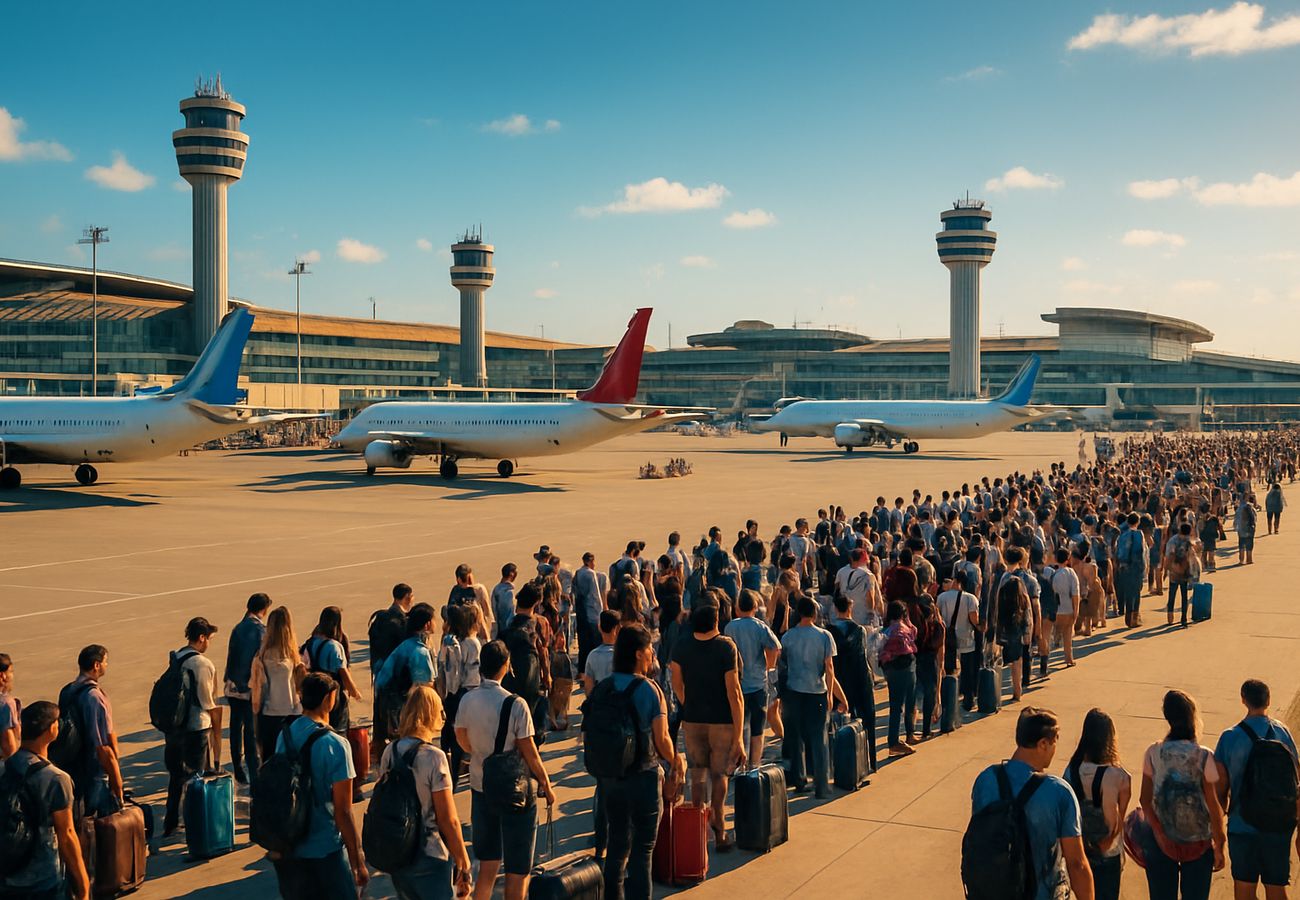
Image generated by AI
A cascading wave of flight disruptions has crippled operations at three of Asia's most critical aviation gateways, leaving thousands of passengers scrambling to rebook connections and stranding aircraft across the region. Shanghai Pudong International Airport (PVG), Jakarta's Soekarno-Hatta International Airport (CGK), and Manila Ninoy Aquino International Airport (MNL) have become flashpoints in what industry observers are calling one of the most severe regional aviation crises in recent months, with ripple effects extending across Southeast Asia's interconnected flight network.
The disruptions, which began cascading through these major hubs simultaneously, have triggered widespread cancellations and multi-hour delays affecting dozens of carriers operating regional and international routes. Ground operations at all three airports have been severely compromised, with baggage handling systems overwhelmed, gate availability severely restricted, and air traffic control capacity stretched to its limits. Passengers arriving at these airports have faced extended waits for rebooking assistance, with airline customer service centers inundated by frustrated travelers seeking alternative routing options. The convergence of delays across these three strategic nodes has created a domino effect throughout the broader Asian aviation ecosystem, impacting connecting flights to destinations across the Indian subcontinent, East Asia, and Oceania.
According to industry tracking platforms monitoring real-time flight data, the disruptions have affected carriers ranging from full-service legacy airlines to low-cost carriers operating high-frequency regional services. The cascading nature of the delays—where aircraft unable to depart from one hub create scheduling conflicts at downstream destinations—has compounded the operational challenges facing airlines attempting to restore normal service. IATA, the International Air Transport Association, has been monitoring the situation closely, as such widespread disruptions underscore the fragility of Asia's densely interconnected aviation network, where a single major hub's operational failure can trigger systemic impacts across the entire region.
The underlying causes of the simultaneous disruptions remain under investigation, with preliminary reports pointing to a combination of factors including air traffic control staffing constraints, adverse weather patterns affecting approach corridors, and potential technical issues with ground infrastructure systems. Weather-related delays in particular have proven difficult to forecast, with rapidly developing atmospheric conditions creating unpredictable challenges for flight operations. Airlines have implemented contingency protocols including aircraft repositioning, crew scheduling adjustments, and selective flight cancellations to prevent further cascading delays. The situation highlights the critical importance of robust operational resilience in global aviation, particularly at mega-hubs where thousands of daily movements depend on seamless coordination between multiple stakeholders.
The economic implications of these disruptions extend beyond immediate passenger inconvenience. Airlines operating through these hubs face substantial costs from crew overtime, hotel accommodations for stranded passengers, and potential revenue losses from cancelled flights. Regional tourism and business travel have been disrupted, with conference attendees, leisure travelers, and corporate executives unable to reach their intended destinations on schedule. The disruptions also underscore broader challenges facing Asia's aviation infrastructure, including capacity constraints at major airports, aging air traffic control systems in some jurisdictions, and the region's vulnerability to operational shocks that can rapidly propagate across interconnected networks. Industry analysts note that such incidents often trigger regulatory reviews and infrastructure investment discussions among aviation authorities across the affected countries.
What This Means for Travelers
Passengers currently booked on flights through Shanghai (PVG), Jakarta (CGK), or Manila (MNL) should immediately contact their airlines to verify flight status and explore alternative routing options. Airlines are typically obligated to provide rebooking on alternative flights at no additional cost when disruptions are within their operational control, though compensation eligibility varies by jurisdiction and airline policy. Travelers should document all expenses incurred due to delays—including meals, accommodation, and ground transportation—as these may be recoverable under applicable aviation regulations. Consider purchasing travel insurance for future bookings through these hubs, as such disruptions, while infrequent, demonstrate the value of comprehensive coverage. Monitor official airport websites and airline apps for real-time updates rather than relying on social media, which often contains outdated or inaccurate information during operational crises.
Industry insight: Major aviation disruptions at regional mega-hubs like Shanghai, Jakarta, and Manila increasingly trigger systemic shocks across Asia's interconnected flight network, underscoring the critical need for redundancy in air traffic control infrastructure and operational contingency planning.
As Asia's aviation sector continues its post-pandemic recovery trajectory, incidents like these underscore the region's ongoing infrastructure challenges despite record passenger volumes. While airlines and airport operators work to restore normal operations, the disruptions serve as a stark reminder that even the world's most sophisticated aviation networks remain vulnerable to cascading operational failures. The coming weeks will likely see detailed post-incident reviews from aviation authorities, with potential implications for air traffic management protocols, airport capacity planning, and airline operational standards across Southeast Asia. Travelers planning trips through these critical hubs should remain vigilant about booking flexibility and real-time monitoring, as the region's rapid growth continues to strain existing infrastructure systems.
Related Travel Guides
Disclaimer
This article is for informational and educational purposes only. It does not constitute legal, financial, or professional advice. While we strive to provide accurate and up-to-date information, travel policies, regulations, and conditions change rapidly. Always verify information with official sources before making travel decisions. Nomad Lawyer makes no representations about the accuracy, reliability, completeness, or suitability of the information provided. Readers should consult qualified professionals for advice specific to their circumstances. The views expressed in this article are those of the author and do not necessarily reflect the views of Nomad Lawyer.
Kunal K Choudhary
Co-Founder & Contributor
A passionate traveller and tech enthusiast. Kunal contributes to the vision and growth of Nomad Lawyer, bringing fresh perspectives and driving the community forward.
Learn more about our team →