
Australia's Inland Rail Project Slashed: Supply Chain Crisis Looms
Australia's federal government cuts funding to the 1,600km Inland Rail freight project, halting northern expansion and threatening regional economic growth and national supply chain efficiency.

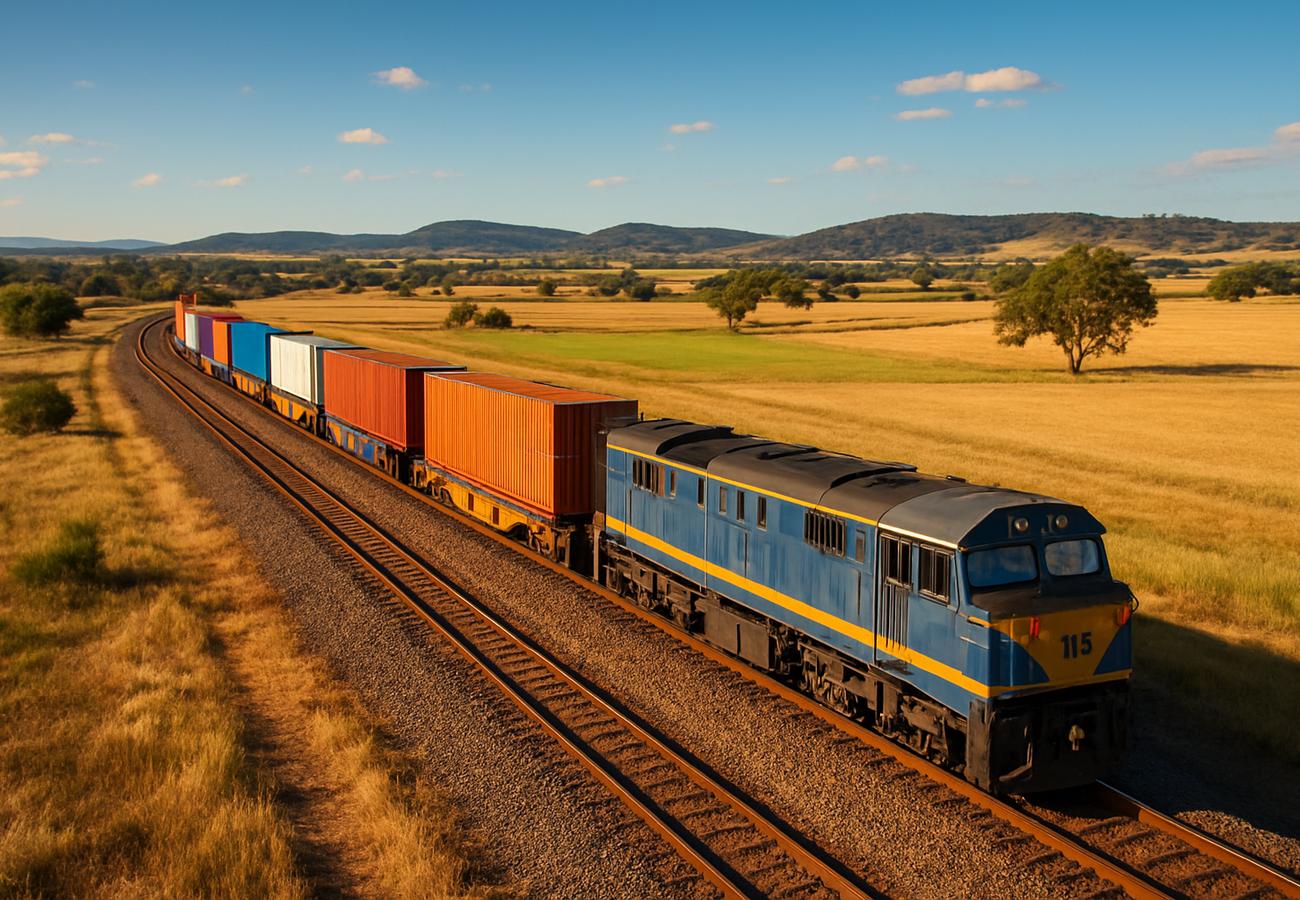
Image generated by AI
Australia's Inland Rail Gutted: The Freight Catastrophe Nobody Wanted
It happened in May 2026. The Australian Government quietly withdrew funding for one of the nation's most ambitious infrastructure projects, and the fallout is reshaping how freight moves across the country.
The Inland Rail — that sprawling 1,600+ kilometre freight corridor designed to link Melbourne to Brisbane through regional Australia — is now dead in the water north of Parkes, NSW. The dream of a transformative inland freight backbone has collapsed under the weight of cost escalations that ballooned to a staggering AU$45 billion.
What was supposed to be Australia's answer to coastal congestion and inefficient road freight is now a cautionary tale about megaproject overruns and political retrenchment.
The Original Vision: A National Freight Game-Changer
When Inland Rail was conceived, it promised the earth. A sleek, efficient freight rail corridor would replace thousands of heavy trucks rumbling along congested highways. Double-stack trains would slice journey times. Regional communities would boom. The Newell Highway would finally get relief from the relentless truck traffic grinding it to pieces.
Government agencies, industry leaders, and regional advocates united around the narrative: this was the strategic infrastructure Australia needed.
Reddit: "Infrastructure projects like this are supposed to transform regional economies. When they get cut like this, those communities are left hanging." — r/AustralianPolitics
Construction was already underway. Businesses invested millions betting on the project's completion. Councils budgeted for growth. Freight operators restructured logistics plans. Everyone was all-in.
Then the numbers came back.
The Cost Blowout That Changed Everything
Independent verification by ACIL Allen Pty Ltd and assessments from the Department of Infrastructure delivered the verdict in early May: the remaining construction costs could exceed AU$45 billion — far beyond initial budget projections and political appetite.
The federal Cabinet made its decision swift and final. Infrastructure Minister Catherine King announced that financial prudence and rigorous risk assessment demanded the plug be pulled on northern expansion beyond Parkes, NSW.
The government would now prioritize only the Beveridge to Parkes section, scheduled for completion by 2027. Everything north of that? Shelved indefinitely. The funding redirected to "other rail infrastructure improvements across the national freight network" — bureaucratic code for: we're not building your dream anymore.
Regional NSW Left Reeling
The shock wave hit hardest in regional communities. Narrabri Shire Mayor Darrell Tiemens didn't mince words, calling the decision a "major blow" to long-term regional planning.
Hundreds of millions in private and council investment had already flowed into anticipation of the project. Businesses restructured operations. Supply chains were redesigned. Growth plans were locked in. Suddenly, the economic foundation everyone was building on crumbled.
Freight companies now face a logistics nightmare. Goods terminating at Parkes must be transferred to road transport for anything heading north or beyond NSW. The efficiency gain evaporates. The cost savings disappear. The whole strategic rationale — removing trucks from highways — collapses.
The Freight Industry's Worst Case Scenario
This is where the real damage emerges.
Double-stack trains were supposed to deliver faster, higher-volume freight capacity all the way from Melbourne to Brisbane through NSW. Now they stop at Parkes. Freight operators watch those trains halt and dump their cargo into trucks anyway.
Additional handling costs. Longer transit times. More heavy vehicles on the Newell Highway, which already groans under thousands of daily truck movements. The pressure on road infrastructure never gets relieved. Road safety concerns persist. Environmental benefits from modal shift never materialize.
Industry analysts are warning that the truncated route could reverse anticipated freight efficiencies, keeping heavy trucks on congested corridors indefinitely and maintaining pressure on aging road infrastructure.
Critics are now pointing to Inland Rail as emblematic of a deeper problem: Australia's capacity to deliver megaprojects is broken. Cost overruns. Planning delays. Governance failures. Inland Rail is just the most visible example.
What Comes Next: Salvaging What's Left
The government isn't abandoning the project entirely — just scaling it back severely. The Beveridge to Parkes section remains on track for 2027 completion. Environmental approvals and land acquisition continue for northern segments, though without federal funding allocated yet.
The door isn't completely closed on revival. Future administrations, alternate financing, or shifts in political will could theoretically revive the northern expansion. But realistically? After this pivot, momentum is gone. Communities are demoralized. Investment appetite has evaporated.
The Department of Infrastructure has committed to "ongoing independent oversight and assurance reviews," emphasizing transparency and risk mitigation in future phases. Translation: we're being more careful with taxpayer money from here on out.
The Strategic Recalibration
Inland Rail's curtailment marks a fundamental shift in how Australia approaches freight infrastructure. The focus has contracted to optimizing smaller corridor segments, upgrading existing rail lines, and strengthening intermodal connectivity between modes.
The national transport planning consensus has recalibrated toward fiscal realism, but at tremendous cost to regional communities banking on infrastructure-driven growth.
Freight operators must now reconsider routes, logistics services, and cost structures. Regional councils continue advocating for infrastructure support that could restore competitiveness. Proponents insist that Inland Rail's legacy will include critical enhancements to freight capacity — if future policy and funding align with national economic goals.
The bet Australia made on transformative inland freight infrastructure just got a lot smaller. And regional Australia is paying the price.
The infrastructure you don't build shapes your future as much as the infrastructure you do.
Related Travel Guides
easyJet Prepares for Its Busiest Easter on Record: 5.2 Million Seats Hitting the Skies
Air India Express Opens Bengaluru-Phuket Route: Weekend Escape Gateway
Boeing 777X Can Land Without Reverse Thrust: What This Means for Modern Aviation
Disclaimer
This article is for informational and educational purposes only. It does not constitute legal, financial, or professional advice. While we strive to provide accurate and up-to-date information, travel policies, regulations, and conditions change rapidly. Always verify information with official sources before making travel decisions. Nomad Lawyer makes no representations about the accuracy, reliability, completeness, or suitability of the information provided. Readers should consult qualified professionals for advice specific to their circumstances. The views expressed in this article are those of the author and do not necessarily reflect the views of Nomad Lawyer.
Kunal K Choudhary
Co-Founder & Contributor
A passionate traveller and tech enthusiast. Kunal contributes to the vision and growth of Nomad Lawyer, bringing fresh perspectives and driving the community forward.
Learn more about our team →